The practical guide to garlic supplements
The Truth About Garlic and Its Impact on Liver Health: Exploring Garlic Supplement Benefits
Discover the truth about garlic's impact on liver health, including its benefits, risks, and how to safely incorporate it into your diet.

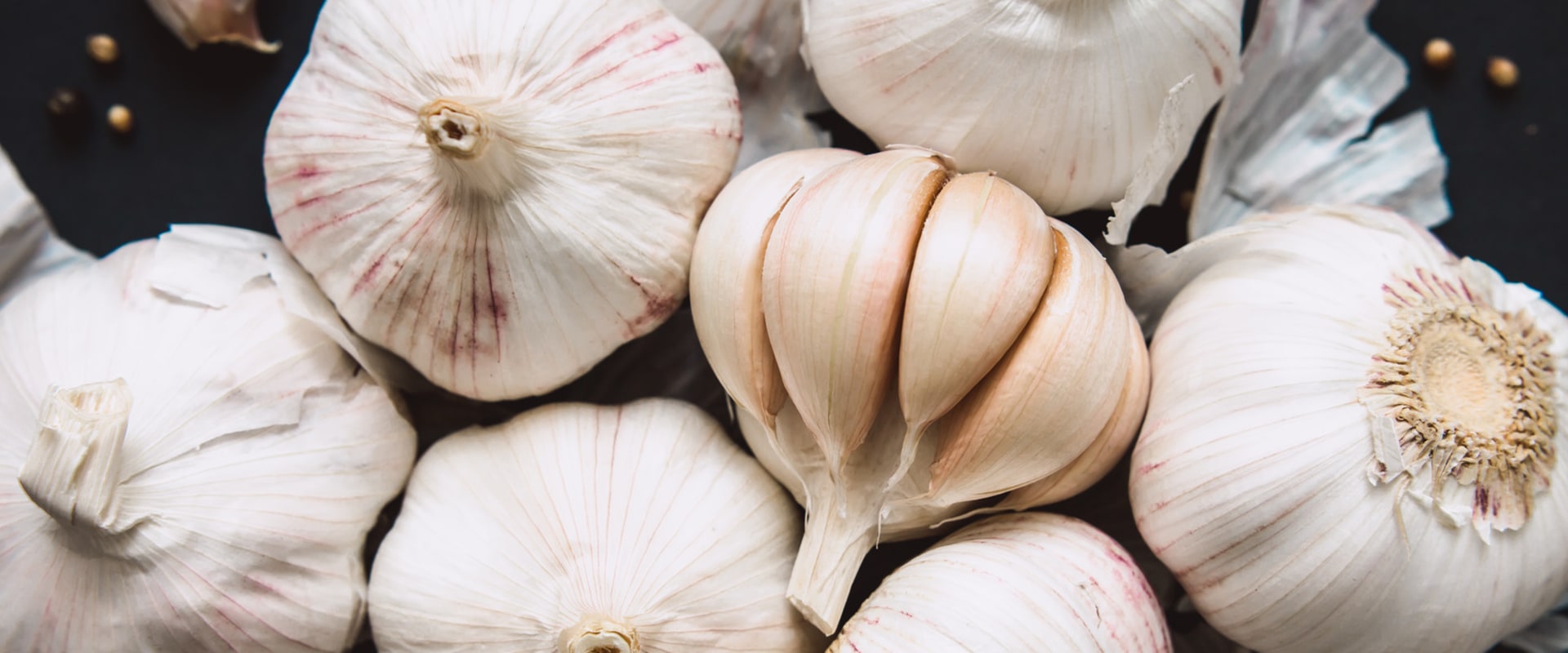
Garlic, a staple in kitchens around the world, is not just a flavorful addition to our meals; it has also been revered for its potential health benefits. Among these, the relationship between garlic and liver health has garnered significant attention. As we delve into the garlic supplement benefits , it becomes essential to understand how this pungent bulb can influence liver function, especially considering that some individuals may be tempted to take too many supplements in one day, which could affect their overall health. The liver plays a crucial role in processing nutrients and filtering toxins from the bloodstream. Given its importance, any food or supplement that claims to support liver health deserves careful consideration. , it becomes essential to understand how this pungent bulb can influence liver function, especially considering that some individuals may be tempted to take too many supplements in one day, which could affect their overall health. The liver plays a crucial role in processing nutrients and filtering toxins from the bloodstream. Given its importance, any food or supplement that claims to support liver health deserves careful consideration.
Garlic is rich in compounds such as allicin, which are believed to possess antioxidant and anti-inflammatory properties. These attributes may contribute to improved liver function and protection against various liver diseases. However, while many studies highlight the positive effects of garlic on liver health, there are also concerns regarding excessive consumption and its potential risks. In this exploration of garlic's impact on liver health, we will examine both the benefits and drawbacks of incorporating garlic into your diet or supplement regimen. From its ability to enhance detoxification processes to the potential adverse effects of high intake levels, understanding the full spectrum of garlic's effects on the liver is crucial for making informed dietary choices.
As we navigate through this topic, we aim to provide clarity on how garlic can be a powerful ally for your liver when consumed appropriately.
Understanding Garlic: Nutritional Profile and Active Compounds
Garlic, scientifically known as Allium sativum, is not only a popular culinary ingredient but also a powerhouse of nutrition and health benefits. Understanding its nutritional profile and the active compounds it contains is essential for appreciating its potential effects on liver health. One of the most notable aspects of garlic is its rich composition of vitamins and minerals. Garlic is a good source of:- Vitamin C: An antioxidant that supports the immune system and helps in collagen production.
- Vitamin B6: Important for metabolism and brain health.
- Manganese: A mineral that plays a role in bone formation, blood sugar control, and antioxidant defenses.
- Calcium: Essential for bone health and muscle function.
- Selenium: A trace mineral that contributes to antioxidant activity and thyroid function.
This compound is responsible for garlic's distinctive aroma and many of its health benefits. The health benefits of garlic extend beyond its nutritional content. Research has shown that garlic possesses:
- Antimicrobial properties: Effective against various bacteria, viruses, and fungi.
- Anti-inflammatory effects: May help reduce inflammation in the body, which is crucial for overall health.
- Cardiovascular benefits: Can help lower blood pressure and cholesterol levels, promoting heart health.
- Antioxidant properties: Protects cells from oxidative stress, which can lead to chronic diseases.
The Benefits of Garlic Supplements for Liver Health
Garlic supplements have gained popularity in recent years, particularly for their potential benefits in supporting liver health.These supplements, often derived from concentrated garlic extract, offer a range of advantages that can enhance liver function and overall wellness. One of the primary benefits of garlic supplements is their ability to promote detoxification. The liver plays a crucial role in filtering toxins from the bloodstream, and garlic is rich in compounds such as allicin, which have been shown to enhance the liver's detoxification processes. By increasing the production of certain enzymes, garlic can help the liver break down harmful substances more efficiently. Moreover, garlic supplements are known for their antioxidant properties. Antioxidants are vital for combating oxidative stress, which can lead to liver damage over time.
The sulfur compounds found in garlic not only help neutralize free radicals but also support the regeneration of liver cells. This regenerative capacity is essential for maintaining a healthy liver, especially in individuals exposed to environmental toxins or those with a history of liver issues. Another significant advantage of garlic supplements is their potential to reduce inflammation. Chronic inflammation is a common factor in many liver diseases, including fatty liver disease and hepatitis. Studies suggest that the anti-inflammatory properties of garlic can help mitigate these conditions by reducing inflammatory markers in the body. Additionally, garlic supplements may aid in regulating cholesterol levels.
High cholesterol can contribute to fatty liver disease, and incorporating garlic into your diet—whether through whole cloves or supplements—can help maintain healthy cholesterol levels. This regulation is crucial for preventing further complications related to liver health. For those considering liver health supplements , garlic extract stands out as a natural option with multiple benefits. However, it is essential to consult with a healthcare professional before starting any new supplement regimen, especially if you have existing health conditions or are taking medications. In summary, the benefits of garlic supplements for liver health are multifaceted, encompassing detoxification support, antioxidant protection, inflammation reduction, and cholesterol regulation. By integrating these supplements into a balanced diet, individuals can take proactive steps toward enhancing their liver function and overall well-being.
Potential Risks of Excessive Garlic Consumption
While garlic is celebrated for its numerous health benefits, it is crucial to recognize that excessive consumption can lead to potential risks, particularly concerning liver health.Understanding these risks is essential for anyone considering incorporating garlic supplements into their diet.
1.Garlic Toxicity
Garlic contains a compound known as allicin, which is responsible for its distinctive flavor and many of its health benefits. However, in large quantities, allicin can exhibit toxic effects on the liver. Studies have indicated that high doses of garlic may lead to liver damage, especially when combined with certain medications such as blood thinners. This combination can increase the risk of internal bleeding, making it vital to consult a healthcare professional before significantly increasing garlic intake.
2.Gastrointestinal Distress
Another concern associated with excessive garlic consumption is gastrointestinal distress.
Overeating garlic can lead to symptoms such as:
- Heartburn
- Nausea
- Diarrhea
- Bloating and gas
3.Allergic Reactions
Some individuals may experience allergic reactions to garlic, which can manifest as skin rashes, headaches, or even more severe symptoms like difficulty breathing. If you notice any adverse reactions after consuming garlic or garlic supplements, it is advisable to seek medical attention.
4.Interaction with Medications
Garlic can interact with various medications, including anticoagulants and antiplatelet drugs. This interaction can enhance the effects of these medications, leading to an increased risk of bleeding complications. Therefore, individuals on such medications should exercise caution and discuss their garlic intake with their healthcare provider.
5.Moderation is Key
In conclusion, while garlic offers numerous health benefits, moderation is essential to avoid potential risks associated with excessive consumption.
It is advisable to limit intake and consult with a healthcare professional if you have any concerns about how garlic may affect your health or interact with medications you are taking.
Garlic and Liver Disease: What the Research Says
Research into the relationship between garlic and liver health has garnered significant attention in recent years, particularly concerning its potential role in preventing liver diseases, including liver cancer. Several studies have explored how garlic consumption may influence liver function and disease progression. One notable study conducted in eastern China examined the association between garlic intake and the risk of liver cancer. The findings revealed that individuals who consumed high amounts of raw garlic exhibited a lower incidence of liver cancer, particularly among those who were negative for hepatitis B surface antigen (HBsAg). This suggests that garlic may have protective effects against liver cancer in certain populations, especially those with specific risk factors such as alcohol consumption or a history of mold-contaminated food. Another area of research focuses on the compounds found in garlic, particularly Research into the relationship between garlic and liver health has garnered significant attention in recent years, particularly concerning its potential role in preventing liver diseases, including liver cancer. Several studies have explored how garlic consumption may influence liver function and disease progression. One notable study conducted in eastern China examined the association between garlic intake and the risk of liver cancer. The findings revealed that individuals who consumed high amounts of raw garlic exhibited a lower incidence of liver cancer, particularly among those who were negative for hepatitis B surface antigen (HBsAg). This suggests that garlic may have protective effects against liver cancer in certain populations, especially those with specific risk factors such as alcohol consumption or a history of mold-contaminated food. Another area of research focuses on the compounds found in garlic, particularly allicin, which is known for its antioxidant properties.Antioxidants play a crucial role in combating oxidative stress, a condition that can lead to liver damage and various diseases. A study published in the journal Food and Chemical Toxicology indicated that allicin could help reduce liver inflammation and fibrosis in animal models, suggesting its potential therapeutic effects on chronic liver conditions. Moreover, garlic's ability to enhance detoxification processes in the liver has been highlighted in various studies. Garlic contains sulfur compounds that may aid in the detoxification of harmful substances, thereby supporting overall liver health. A review published in The Journal of Nutrition emphasized that regular garlic consumption could improve liver enzyme levels, indicating better liver function. However, it is essential to approach these findings with caution.
While some studies suggest beneficial effects, others indicate that excessive garlic intake could lead to adverse effects, particularly for individuals with pre-existing liver conditions or those taking certain medications. For instance, high doses of garlic supplements may interact with anticoagulant medications, increasing the risk of bleeding. In conclusion, while emerging research points to potential garlic supplement benefits for liver health, particularly regarding cancer prevention and detoxification support, more comprehensive studies are needed to fully understand these relationships. Individuals should consult healthcare professionals before making significant dietary changes or starting new supplements, especially if they have existing health concerns.
How to Incorporate Garlic into Your Diet Safely
Incorporating garlic into your diet can be a flavorful way to enhance your meals while reaping its potential health benefits. However, it’s essential to do so safely and effectively.Here are some practical tips on how to use garlic in your cooking while maximizing its advantages.
Choosing the Right Form of Garlic
Garlic is available in various forms, including fresh cloves, powdered garlic, garlic salt, and garlic supplements. For the most health benefits, fresh garlic is often recommended. When using fresh garlic:- Choose firm bulbs: Look for bulbs that are plump and free from soft spots or mold.
- Store properly: Keep garlic in a cool, dry place away from direct sunlight to maintain its potency.
Recommended Serving Sizes
While garlic is beneficial, moderation is key. A typical serving size is one to two cloves per day.This amount can provide health benefits without overwhelming your system. If you’re new to consuming garlic, start with smaller amounts and gradually increase as your body adjusts.
Cooking with Garlic: Tips and Techniques
Garlic can be used in a variety of dishes, from savory sauces to roasted vegetables. Here are some tips for incorporating it into your meals:- Add at the right time: To preserve its health benefits, add minced or chopped garlic towards the end of cooking. This helps retain its allicin content, which is responsible for many of its health properties.
-
Use raw garlic: Incorporating raw garlic into dressings or dips can provide maximum health benefits.
Consider adding minced garlic to salad dressings or hummus for an extra kick.
- Experiment with roasting: Roasting garlic mellows its flavor and makes it sweeter. Simply wrap whole bulbs in foil and roast until soft; this can be spread on bread or added to mashed potatoes.
Be Mindful of Your Body
As you incorporate more garlic into your diet, pay attention to how your body responds. Some individuals may experience digestive discomfort or heartburn when consuming large amounts of garlic. If you notice any adverse effects, consider reducing your intake or consulting with a healthcare professional. By following these guidelines, you can safely enjoy the rich flavor and potential health benefits of garlic while enhancing your culinary creations.Frequently Asked Questions About Garlic and Liver Health
Garlic has long been celebrated for its numerous health benefits, but many people have questions about its specific effects on liver health.Below are some of the most frequently asked questions regarding garlic consumption and its impact on the liver.
1.Can garlic supplements improve liver function?
Research suggests that garlic supplements may offer benefits for liver health. Garlic contains compounds like allicin, which have antioxidant properties that can help protect the liver from oxidative stress. Some studies indicate that garlic may enhance liver enzyme activity, promoting better detoxification processes. However, it is essential to consult with a healthcare professional before starting any supplement regimen.2.Is it safe to consume garlic daily?
For most individuals, consuming garlic in moderation is considered safe and can be beneficial.However, excessive intake may lead to gastrointestinal discomfort or other side effects. It is advisable to limit raw garlic consumption to a few cloves per day and monitor how your body reacts.
3.Can garlic cause liver damage?
While garlic is generally safe for most people, consuming it in excessive amounts can potentially lead to adverse effects, including liver toxicity in rare cases. This risk is particularly heightened for individuals taking blood thinners or those with pre-existing liver conditions. Always consult a healthcare provider if you have concerns about your garlic intake.4.Are there any interactions between garlic and medications?
Yes, garlic can interact with certain medications, particularly anticoagulants and antiplatelet drugs.The compounds in garlic may enhance the effects of these medications, increasing the risk of bleeding. If you are on medication, it’s crucial to discuss your garlic consumption with your doctor.
5.What are the signs of garlic intolerance?
Some individuals may experience intolerance to garlic, which can manifest as digestive issues such as bloating, gas, or diarrhea. If you notice these symptoms after consuming garlic, it may be wise to reduce your intake or eliminate it from your diet altogether. In summary, while garlic offers several potential health benefits for the liver and overall well-being, moderation is key. Understanding how it interacts with your body and any medications you may be taking is essential for maintaining optimal health.Conclusion: Balancing Garlic Intake for Optimal Liver Health
In summary, garlic is a powerful food that offers numerous health benefits, particularly when it comes to supporting liver health.Its active compounds, especially allicin, have been shown to possess antioxidant and anti-inflammatory properties that can contribute positively to liver function. However, as with any supplement or dietary component, moderation is essential. While garlic can help in detoxifying the liver and may even play a role in reducing the risk of liver cancer in certain populations, excessive consumption can lead to adverse effects. It is crucial to recognize that high doses of garlic may cause liver toxicity, especially when combined with blood-thinning medications. Therefore, individuals should be cautious and consult healthcare professionals before significantly increasing their garlic intake. Moreover, the potential for garlic to aggravate certain conditions, such as gastroesophageal reflux disease (GERD) or vaginal thrush, highlights the need for a balanced approach.
Pregnant women and those on specific medications should exercise particular caution regarding their garlic consumption. Ultimately, the key takeaway is that while garlic supplements can offer significant health benefits, they should be integrated into a well-rounded diet rather than consumed in excess. A balanced intake of garlic can enhance overall health without compromising liver function. In conclusion, embracing garlic as part of a healthy lifestyle can be beneficial for liver health, provided it is done thoughtfully. By understanding both the advantages and potential risks associated with garlic consumption, individuals can make informed choices that support their well-being.