The practical guide to garlic supplements
The Surprising Truth About Garlic and Liver Health: Unveiling the Benefits of Garlic Supplements
Discover the surprising truth about garlic and its benefits for liver health. Learn how garlic supplements can support your well-being.

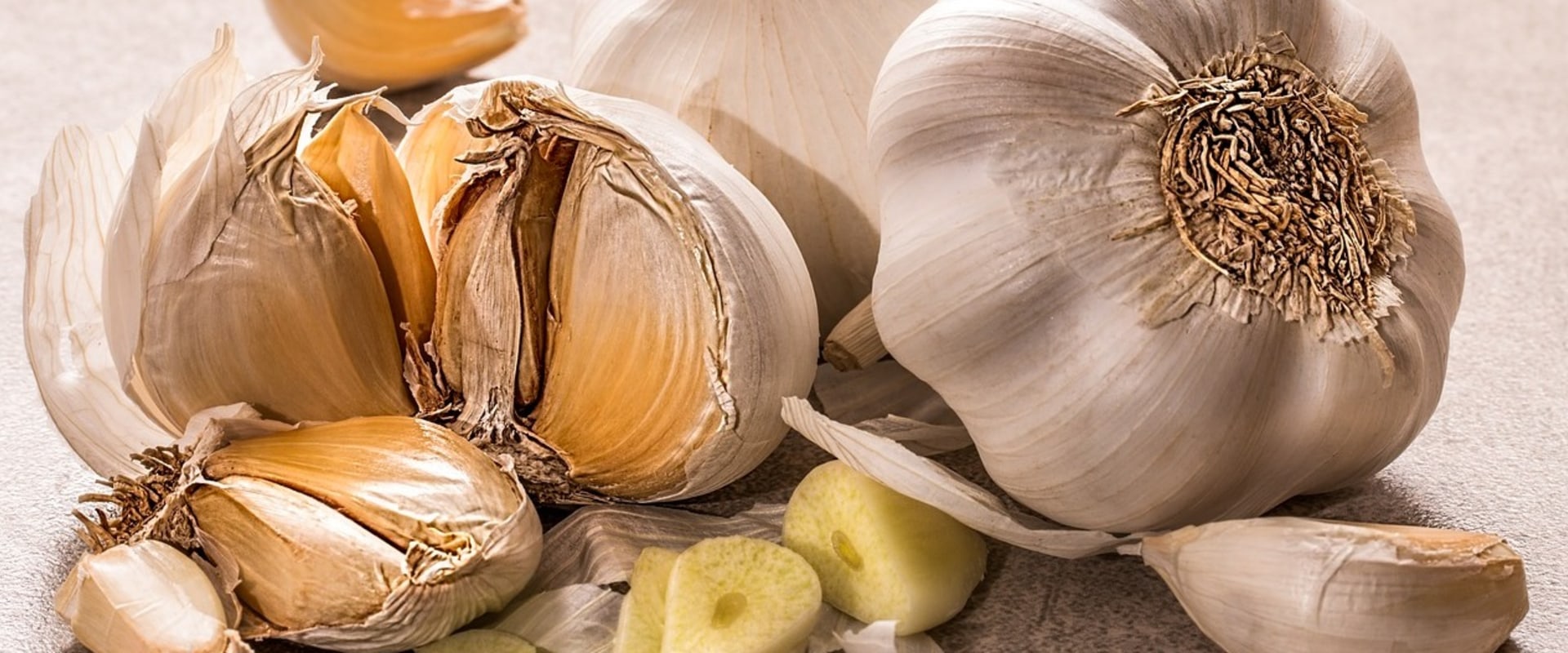
Garlic, scientifically known as Allium sativum, has been revered for centuries not only as a culinary staple but also as a potent medicinal herb. Its rich history dates back to ancient civilizations, where it was used for its health benefits and as a natural remedy for various ailments. Today, garlic is celebrated not just for its distinctive flavor but also for its impressive nutritional profile, making it a popular choice among health enthusiasts and nutritionists alike. This humble bulb is packed with essential nutrients, including vitamins C and B6, manganese, calcium, potassium, and various antioxidants. These components contribute to garlic's reputation as a nutritional powerhouse.
The active compounds in garlic, particularly allicin, are responsible for many of its health-promoting properties. Allicin is formed when garlic is crushed or chopped, releasing a potent compound that has been shown to have anti-inflammatory, antimicrobial, and antioxidant effects. In recent years, the popularity of garlic supplements has surged as more people seek to harness its health benefits without the strong taste or odor associated with raw garlic. These supplements come in various forms, including capsules, powders, and extracts, allowing individuals to incorporate garlic into their daily routines conveniently. Research suggests that these supplements may offer similar health benefits to fresh garlic, making them an attractive option for those looking to improve their overall well-being. As we delve deeper into the relationship between garlic and liver health, it is essential to understand the broader context of its nutritional benefits. The active compounds in garlic, particularly allicin, are responsible for many of its health-promoting properties. Allicin is formed when garlic is crushed or chopped, releasing a potent compound that has been shown to have anti-inflammatory, antimicrobial, and antioxidant effects. In recent years, the popularity of garlic supplements has surged as more people seek to harness its health benefits without the strong taste or odor associated with raw garlic. These supplements come in various forms, including capsules, powders, and extracts, allowing individuals to incorporate garlic into their daily routines conveniently. Research suggests that these supplements may offer similar health benefits to fresh garlic, making them an attractive option for those looking to improve their overall well-being. As we delve deeper into the relationship between garlic and liver health, it is essential to understand the broader context of its nutritional benefits.
Garlic's potential role in supporting liver function and protecting against damage is an area of growing interest in the scientific community. By exploring the various ways garlic can enhance our health, we can better appreciate this remarkable bulb's significance in our diets and its potential as a natural supplement.
The Science Behind Garlic and Liver Health
Garlic, known scientifically as Allium sativum, has been a staple in various cuisines and traditional medicine for centuries. Recent scientific investigations have begun to uncover its potential benefits for liver health, revealing a complex relationship that merits closer examination. One of the most compelling aspects of garlic's impact on liver health is its antioxidant properties. Antioxidants are crucial in combating oxidative stress, which can lead to liver damage.A study published in the Journal of Nutrition highlighted that garlic extract significantly reduced markers of oxidative stress in animal models, suggesting that it may help protect liver cells from damage caused by free radicals. Moreover, garlic supplements have been shown to influence lipid metabolism positively. A study conducted on individuals with hyperlipidemia found that those who took garlic supplements experienced a notable reduction in cholesterol levels. This is particularly relevant for liver health, as high cholesterol can contribute to fatty liver disease. By managing cholesterol levels, garlic may play a role in preventing conditions that could lead to liver damage. In addition to its antioxidant and lipid-lowering effects, garlic has been studied for its potential anti-inflammatory properties.
Chronic inflammation is a significant risk factor for liver diseases such as cirrhosis and hepatitis. Research indicates that compounds found in garlic, such as diallyl sulfide, may help reduce inflammation in the liver, thereby supporting overall liver function. However, while the benefits of garlic are promising, it is essential to consider the dosage and form of consumption. Some studies suggest that raw garlic may offer more potent benefits compared to cooked forms or supplements. A study published in the American Journal of Clinical Nutrition indicated that participants who consumed raw garlic showed greater improvements in liver enzyme levels than those who consumed cooked garlic or supplements. Despite these positive findings, it is crucial to approach garlic consumption with caution.
Excessive intake can lead to gastrointestinal discomfort and may interact with certain medications, particularly anticoagulants. Therefore, consulting with a healthcare professional before significantly increasing garlic intake is advisable. In summary, the scientific evidence surrounding garlic supplements and their benefits for liver health is growing. While garlic appears to offer protective effects against oxidative stress and inflammation, further research is needed to establish optimal dosages and forms for maximum efficacy.
Key Compounds in Garlic: What Makes It Beneficial?
Garlic is not just a flavorful addition to meals; it is a powerhouse of health-promoting compounds that contribute significantly to liver health and overall wellness. Among these compounds, allicin stands out as one of the most studied and beneficial components.Allicin
is formed when garlic is crushed or chopped, activating the enzyme alliinase, which converts alliin into allicin.
This compound is known for its potent antioxidant properties, which help combat oxidative stress in the body. Oxidative stress can lead to cellular damage, including damage to liver cells, making allicin's role crucial in maintaining liver health. Research has shown that allicin can:
- Reduce inflammation: Chronic inflammation is a significant contributor to liver diseases such as fatty liver disease and cirrhosis. Allicin has been found to inhibit inflammatory markers, potentially reducing the risk of these conditions.
- Enhance detoxification: The liver plays a vital role in detoxifying harmful substances from the body. Allicin may support liver function by promoting the production of detoxifying enzymes, aiding in the elimination of toxins.
-
Lower cholesterol levels: High cholesterol is a risk factor for liver disease.
Studies indicate that allicin can help lower total cholesterol and triglyceride levels, contributing to better liver health.
- Sulfur compounds: These are responsible for garlic's distinctive smell and are known for their ability to support liver detoxification processes.
- Flavonoids: These antioxidants help protect cells from oxidative damage and may improve blood circulation, further supporting liver function.
- Selenium: This essential mineral plays a role in antioxidant defense systems within the body, helping to protect the liver from damage caused by free radicals.
Garlic Supplements vs. Fresh Garlic: Which is Better for Liver Health?
When it comes to enhancing liver health, the debate between garlic supplements and fresh garlic is a topic of considerable interest.Both forms offer unique benefits, but their efficacy can vary based on several factors, including bioavailability, dosage, and individual health needs.
Bioavailability: Fresh Garlic vs. Supplements
Bioavailability refers to the degree and rate at which a substance is absorbed into the bloodstream. Fresh garlic contains a variety of sulfur compounds, such as allicin, which are responsible for many of its health benefits. However, these compounds can be sensitive to heat and processing.
When garlic is crushed or chopped, allicin is produced, but cooking can diminish its potency.
On the other hand, garlic supplements often contain concentrated forms of these beneficial compounds. Many supplements are designed to enhance absorption and may include additional ingredients that aid in bioavailability. For instance, enteric-coated capsules can help protect the active ingredients from stomach acid, allowing for better absorption in the intestines.
Dosage Considerations
The appropriate dosage of garlic can vary significantly between fresh garlic and supplements. A typical recommendation for fresh garlic is about one to two cloves per day, which provides a natural source of beneficial compounds without excessive intake.
In contrast, garlic supplements often come with specific dosage instructions that can range from 600 mg to 1,200 mg per day, depending on the concentration of active ingredients.
It's essential for consumers to follow the recommended dosages on supplement labels and consult healthcare professionals when considering higher doses or long-term use.
Practical Considerations
For those who enjoy cooking, incorporating fresh garlic into meals can be an easy way to reap its benefits while adding flavor. However, individuals who dislike the taste or smell of garlic may find supplements a more palatable option. Additionally, supplements can offer convenience for those with busy lifestyles or those who travel frequently.
Ultimately, the choice between garlic supplements and fresh garlic may depend on personal preferences and health goals. While both forms have their advantages, it’s crucial to consider factors like bioavailability and dosage when making a decision that best supports liver health.
Potential Risks of Garlic Consumption: What You Need to Know
While garlic is widely recognized for its numerous health benefits, it is essential to be aware of potential risks associated with its consumption, particularly when taken as a supplement.Understanding these risks can help individuals make informed decisions about incorporating garlic into their diets.
Possible Side Effects of Garlic
Garlic is generally safe for most people when consumed in moderate amounts. However, some individuals may experience side effects, especially when taking garlic supplements. Common side effects include:- Digestive Issues: Garlic can cause gastrointestinal discomfort, including bloating, gas, and diarrhea. These symptoms are more likely to occur with high doses or concentrated supplements.
- Allergic Reactions: Some people may have an allergy to garlic, leading to symptoms such as skin rashes, headaches, or even more severe reactions like difficulty breathing.
- Bad Breath and Body Odor: The sulfur compounds in garlic can lead to persistent bad breath and body odor, which some individuals may find socially uncomfortable.
Risks of Garlic Supplements
Garlic supplements are often marketed for their health benefits, but they come with specific risks that users should consider:-
Lack of Regulation: Unlike medications, dietary supplements are not strictly regulated by the FDA.
This means that the quality and concentration of active ingredients in garlic supplements can vary significantly between brands.
- Overconsumption: Taking garlic in supplement form can lead to excessive intake, which may increase the risk of side effects. It is crucial to follow recommended dosages and consult a healthcare professional before starting any new supplement regimen.
Interactions with Medications
Garlic can interact with various medications, potentially altering their effectiveness or increasing the risk of adverse effects. Some notable interactions include:- Anticoagulants: Garlic has natural blood-thinning properties and may enhance the effects of anticoagulant medications like warfarin. This could increase the risk of bleeding.
- Antidiabetic Medications: Garlic may lower blood sugar levels, which could lead to hypoglycemia when taken alongside diabetes medications.
- Certain Antiretroviral Drugs: Some studies suggest that garlic supplements may reduce the effectiveness of certain antiretroviral medications used in HIV treatment.
This ensures that they can safely incorporate garlic into their health regimen without compromising their overall well-being.
How to Incorporate Garlic into Your Diet for Optimal Liver Health
Incorporating garlic into your daily diet can be a flavorful and healthful way to support liver health. Here are some practical tips and recipes to help you enjoy the benefits of garlic while enhancing your meals.Simple Ways to Use Garlic
- Raw Garlic: One of the most potent ways to consume garlic is raw. You can crush or chop a clove and let it sit for about 10 minutes to activate its beneficial compounds. Add it to salads, dressings, or dips for a zesty kick.
-
Cooked Garlic: While cooking can reduce some of garlic's health benefits, it still retains many of its properties.
Sauté garlic in olive oil as a base for stir-fries, soups, or sauces. Roasting garlic also brings out its natural sweetness, making it a delicious addition to mashed potatoes or spread on bread.
- Garlic Powder: If fresh garlic isn't available, garlic powder can be a convenient alternative. Use it in marinades, rubs for meats, or sprinkled over vegetables before roasting.
Delicious Recipes Featuring Garlic
- Garlic Lemon Chicken: Marinate chicken breasts in a mixture of minced garlic, lemon juice, olive oil, and herbs. Grill or bake until cooked through for a flavorful dish that supports liver health.
-
Garlic Spinach: Sauté fresh spinach with minced garlic and a splash of lemon juice.
This quick side dish is packed with nutrients and complements any meal.
- Garlic Hummus: Blend chickpeas, tahini, lemon juice, olive oil, and several cloves of garlic for a creamy dip that’s perfect with veggies or whole-grain pita.
Daily Garlic Intake Recommendations
The optimal amount of garlic for health benefits varies among individuals. However, general recommendations suggest consuming about 1-2 cloves of fresh garlic daily. If you prefer supplements, look for aged garlic extract or garlic oil capsules. Always consult with a healthcare professional before starting any new supplement regimen to determine the right dosage for your needs. Incorporating garlic into your meals not only enhances flavor but also provides potential health benefits that may support liver function.Experiment with different recipes and methods to find what works best for you!
Frequently Asked Questions About Garlic and Liver Health
Garlic has long been celebrated for its numerous health benefits, but many people still have questions about its specific effects on liver health. Below are some of the most frequently asked questions regarding garlic and its impact on the liver.1.Does garlic have any protective effects on the liver?
Yes, garlic is believed to offer protective benefits for the liver. Research indicates that garlic contains compounds such as allicin , which may help reduce oxidative stress and inflammation in liver tissues. These properties can potentially aid in preventing liver damage caused by toxins and other harmful substances.2.Can garlic supplements improve liver function?
Some studies suggest that garlic supplements may enhance liver function by promoting detoxification processes.The antioxidants found in garlic can help neutralize free radicals, thereby reducing the risk of liver diseases. However, it is essential to consult with a healthcare professional before starting any supplement regimen.
3.Is there a risk of liver damage from consuming too much garlic?
While garlic is generally safe for most people when consumed in moderation, excessive intake may lead to gastrointestinal issues such as bloating or diarrhea. There is currently no substantial evidence to suggest that high amounts of garlic directly cause liver damage, but moderation is key.4.How does garlic compare to other foods for liver health?
Garlic stands out among other foods due to its unique combination of sulfur-containing compounds and antioxidants. While foods like leafy greens, cruciferous vegetables, and fatty fish also support liver health, garlic's specific properties make it a valuable addition to a liver-friendly diet.5.Can I consume garlic if I have existing liver conditions?
If you have pre-existing liver conditions, it is crucial to consult with your healthcare provider before significantly increasing your garlic intake or starting supplements.They can provide personalized advice based on your health status and treatment plan. In summary, while garlic offers promising benefits for liver health, it is essential to approach its consumption thoughtfully and consult with healthcare professionals when necessary. Incorporating garlic into a balanced diet can be a delicious way to support overall well-being.
Conclusion: The Role of Garlic in Supporting Liver Health
In summary, the evidence surrounding the benefits of garlic supplements for liver health is compelling and suggests a positive relationship. Numerous studies indicate that garlic may not only be safe for liver function but could also offer protective effects against various forms of liver damage. The antioxidant properties of garlic, attributed to its rich content of sulfur compounds and other bioactive components, play a crucial role in combating oxidative stress, which is a significant contributor to liver disease. Moreover, garlic's potential to enhance immune function and reduce inflammation further supports its role as a beneficial addition to a liver-friendly diet.The findings from various research studies highlight that regular consumption of garlic can lead to improved liver enzyme levels and overall liver health, making it a valuable ally in maintaining optimal bodily functions. However, it is essential to approach garlic consumption with moderation. While the health benefits are notable, excessive intake may lead to adverse effects, such as gastrointestinal discomfort or interactions with certain medications. Therefore, it is advisable to consult with a healthcare professional before making significant changes to your diet or incorporating high doses of garlic supplements. Incorporating garlic into your meals can be an enjoyable and flavorful way to enhance your diet while potentially reaping its health benefits. Whether you choose fresh garlic, aged garlic extract, or supplements, ensuring that you consume it as part of a balanced diet will maximize its positive effects on your liver and overall health. Ultimately, the surprising truth about garlic is that it holds promise not just as a culinary ingredient but as a functional food that may support liver health.
As research continues to evolve, we can look forward to gaining deeper insights into how this humble bulb can contribute to our well-being.