The practical guide to garlic supplements
The Incredible Health Benefits of Garlic: Unlocking the Power of Garlic Supplements
Unlock the incredible health benefits of garlic supplements for heart health, immune support, and more. Learn how to incorporate garlic into your diet.

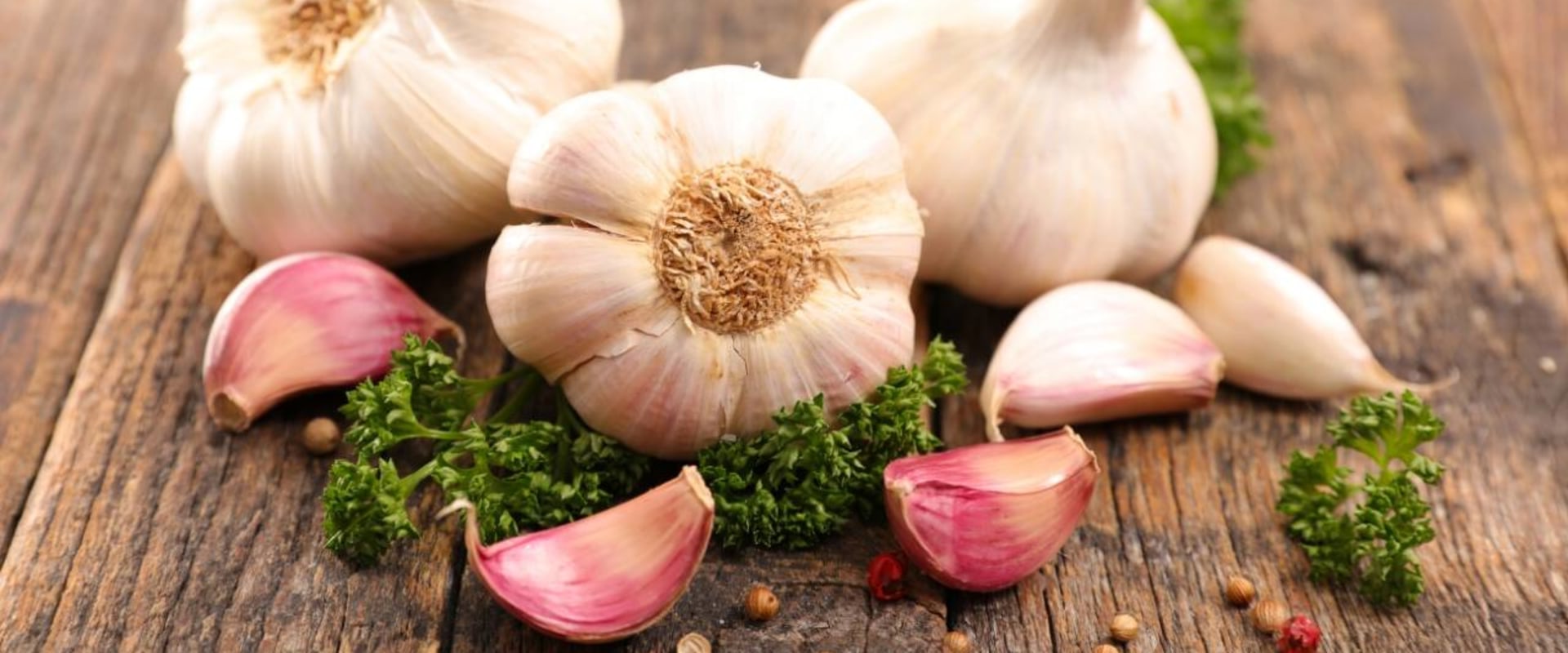
Garlic, a humble bulb that has graced kitchens around the globe for centuries, is much more than just a flavor enhancer. This potent herb is renowned not only for its distinctive taste but also for its remarkable health benefits. As a natural remedy, garlic has been utilized in various cultures to promote wellness and prevent disease. In recent years, the popularity of garlic capsules walmartgarlic capsules walmart has surged, as more people seek to harness its health-boosting properties without the strong odor associated with raw garlic.
Incorporating garlic into a diet rich in leafy greens can further enhance its anti-inflammatory effects, as detailed in the Leafy Greens and Inflammation The Ultimate Guide. The health benefits of garlic are extensive and well-documented. Rich in essential nutrients, garlic is packed with vitamins C and B6, manganese, and selenium, all of which contribute to its impressive health profile. One of the key components responsible for many of these benefits is Incorporating garlic into a diet rich in leafy greens can further enhance its anti-inflammatory effects, as detailed in the Leafy Greens and Inflammation The Ultimate Guide. The health benefits of garlic are extensive and well-documented. Rich in essential nutrients, garlic is packed with vitamins C and B6, manganese, and selenium, all of which contribute to its impressive health profile. One of the key components responsible for many of these benefits is allicin , a sulfur compound released when garlic is crushed or chopped. Allicin is known for its anti-inflammatory and antioxidant properties, making garlic a powerful ally in the fight against chronic diseases. Incorporating garlic into your diet can lead to numerous health improvements, from enhanced immune function to better cardiovascular health.
Studies have shown that regular consumption of garlic can help lower blood pressure, reduce cholesterol levels, and even support bone health. For those who may find it challenging to consume enough garlic through food alone, garlic supplements offer a convenient alternative that can deliver concentrated doses of these beneficial compounds. As we delve deeper into the incredible health benefits of garlic, it becomes clear that this unassuming bulb holds the potential to significantly enhance our well-being. Whether you choose to enjoy it raw, cooked, or in supplement form, embracing garlic as part of your daily routine can pave the way for a healthier lifestyle.
Nutritional Profile of Garlic
Garlic is not only a flavorful addition to various dishes but also a powerhouse of essential nutrients that contribute to its numerous health benefits. Understanding the nutritional value of garlic can help you appreciate why it is often referred to as a superfood. One of the most notable components of garlic is allicin , a sulfur compound that is responsible for its distinctive smell and many of its health-promoting properties.Allicin is formed when garlic is crushed or chopped, making fresh garlic particularly beneficial. This compound has been shown to have antimicrobial, anti-inflammatory, and antioxidant effects, which can help combat various health issues. In addition to allicin, garlic contains several important vitamins and minerals:
- Vitamin C: This vitamin is crucial for immune function and skin health. Garlic provides a good source of vitamin C, which acts as an antioxidant, helping to protect cells from damage.
- Vitamin B6: Essential for metabolism and brain health, vitamin B6 plays a role in the production of neurotransmitters and red blood cells.
- Manganese: This trace mineral is vital for bone health and metabolism. Manganese also helps in the formation of connective tissue and supports antioxidant defenses.
-
Selenium: Garlic contains selenium, which is known for its role in thyroid function and immune response.
It also has antioxidant properties that may help reduce inflammation.
- Calcium: While not as high as dairy products, garlic does provide some calcium, which is essential for maintaining strong bones and teeth.
- Iron: Important for oxygen transport in the blood, iron is another mineral found in garlic that contributes to overall health.
Garlic and Heart Health
Garlic has long been celebrated not just for its culinary uses but also for its remarkable heart health benefits. Numerous studies have highlighted how garlic supplements can play a significant role in lowering cholesterol levels and blood pressure, both of which are critical factors in reducing the risk of heart disease. One of the primary ways garlic contributes to heart health is through its ability to lower cholesterol.Research indicates that regular consumption of garlic can lead to a reduction in total cholesterol levels, particularly low-density lipoprotein (LDL) cholesterol, often referred to as "bad" cholesterol. A meta-analysis of several studies found that garlic supplements can reduce LDL cholesterol by approximately 10-15%. This reduction is significant, as high LDL levels are a major risk factor for cardiovascular diseases. Moreover, garlic's effectiveness in managing cholesterol is attributed to its active compound, allicin. Allicin not only helps lower cholesterol but also improves overall lipid profiles.
By incorporating garlic into your diet or taking it in supplement form, you can support your body in maintaining healthier cholesterol levels. In addition to its cholesterol-lowering properties, garlic is also known for its ability to lower blood pressure. High blood pressure, or hypertension, is another leading cause of heart disease. Studies have shown that garlic supplements can lead to a significant decrease in blood pressure among individuals with hypertension. The mechanism behind this effect involves garlic's ability to promote vasodilation, which is the widening of blood vessels.
This process helps improve blood flow and reduces the strain on the heart. A study published in the journal Hypertension found that participants who took garlic extract experienced a reduction in systolic and diastolic blood pressure comparable to that achieved with standard antihypertensive medications. This makes garlic an appealing natural alternative for those looking to manage their blood pressure without relying solely on pharmaceuticals. Incorporating garlic into your daily routine can be simple and delicious. Whether you choose fresh cloves, powdered supplements, or aged garlic extract, the heart health benefits are substantial. However, it’s essential to consult with a healthcare provider before starting any new supplement regimen, especially if you are currently taking medication for heart conditions. In summary, the evidence supporting the heart health benefits of garlic is compelling.
By lowering both cholesterol and blood pressure, garlic supplements can significantly contribute to reducing the risk of heart disease and promoting overall cardiovascular wellness.
Anti-Inflammatory Properties of Garlic
Garlic has long been celebrated not just for its culinary uses but also for its remarkable anti-inflammatory properties. This herb contains a variety of compounds, including allicin , which are known to combat inflammation in the body. Chronic inflammation is a contributing factor to numerous health issues, including arthritis, heart disease, and even certain cancers. Understanding how garlic can help reduce inflammation can empower individuals to incorporate it into their diets for better health. One of the most significant benefits of garlic is its potential to alleviate symptoms associated with arthritis.Arthritis is characterized by joint pain, swelling, and stiffness, which can severely impact quality of life. Research indicates that garlic may help mitigate these symptoms through its anti-inflammatory effects. For instance, studies have shown that garlic extract can inhibit the production of inflammatory markers in the body, thereby reducing swelling and discomfort in affected joints. Moreover, garlic's ability to enhance the immune system plays a crucial role in its anti-inflammatory effects. A robust immune response can help the body fight off infections and reduce inflammation caused by autoimmune disorders.
Regular consumption of garlic may lead to improved immune function, which is particularly beneficial for individuals suffering from chronic inflammatory conditions. In addition to its direct effects on inflammation, garlic also promotes overall health by improving circulation and reducing oxidative stress. This dual action can further support joint health and alleviate symptoms of arthritis. By enhancing blood flow, garlic helps deliver essential nutrients to joints while simultaneously flushing out toxins that may contribute to inflammation. To reap the benefits of garlic for inflammation reduction, consider incorporating it into your daily meals. Whether you choose to consume it raw, roasted, or as a supplement, the key is consistency.
Aim for at least one clove of fresh garlic per day or opt for high-quality garlic supplements if you prefer a more concentrated dose. In conclusion, the anti-inflammatory properties of garlic make it a valuable addition to any diet, especially for those dealing with conditions like arthritis. By harnessing the power of this natural remedy, individuals can take proactive steps toward managing their inflammation and improving their overall well-being.
Garlic's Role in Immune Support
Garlic has long been celebrated not just for its culinary uses but also for its remarkable ability to bolster the immune system. The health benefits of garlic supplements, particularly in enhancing immunity, are supported by a growing body of research. This potent bulb contains a variety of compounds that contribute to its immune-boosting properties, making it a valuable addition to your health regimen. One of the key components of garlic is allicin , a sulfur-containing compound that is released when garlic is crushed or chopped.Allicin is known for its antiviral and antibacterial properties, which can help the body fend off infections. Studies have shown that garlic can enhance the function of immune cells, such as macrophages and lymphocytes, which play crucial roles in the body's defense against pathogens. Incorporating garlic into your diet or taking garlic supplements can provide significant benefits for your immune system:
- Enhanced Immune Response: Regular consumption of garlic has been linked to improved immune response, helping the body to respond more effectively to infections.
- Reduction in Cold Symptoms: Some studies suggest that garlic may reduce the severity and duration of cold symptoms. Participants who took garlic supplements reported fewer colds and shorter illness durations compared to those who did not.
- Antimicrobial Effects: Garlic exhibits strong antimicrobial properties, which can help combat various bacteria and viruses. This makes it a natural ally in preventing infections.
-
Anti-inflammatory Properties: Chronic inflammation can weaken the immune system.
Garlic's anti-inflammatory effects may help reduce inflammation, thereby supporting overall immune health.
By harnessing its natural properties through dietary inclusion or supplementation, you can take significant steps toward enhancing your overall health and resilience against illness.
Garlic and Cancer Prevention
Research into the potential anti-cancer properties of garlic has gained significant attention in recent years, particularly regarding its role in colon cancer prevention. Numerous studies suggest that garlic may play a protective role against various types of cancer, with a notable focus on colorectal malignancies. One of the key components in garlic, allicin , is believed to be responsible for many of its health benefits, including its anti-cancer effects. Allicin is formed when garlic is crushed or chopped, releasing a potent compound that exhibits antioxidant properties. These antioxidants help combat oxidative stress in the body, which is a known contributor to cancer development. A comprehensive study involving over 40,000 women found a significant association between garlic consumption and a reduced risk of developing colon cancer.Participants who included garlic in their diets regularly showed lower incidences of this type of cancer compared to those who consumed little to no garlic. This correlation suggests that incorporating garlic into one’s diet could be a simple yet effective strategy for cancer prevention. Furthermore, research indicates that garlic may enhance the expression of certain genes that inhibit tumor growth. A single meal containing crushed raw garlic has been shown to activate these protective genes, which play a crucial role in preventing tumorigenesis. This finding highlights the potential of garlic not only as a flavorful addition to meals but also as a powerful ally in the fight against cancer. In addition to colon cancer, preliminary studies have suggested that garlic may also offer protective benefits against other types of cancers, including stomach and esophageal cancers.
The mechanisms behind these effects are still being explored, but it is believed that the sulfur compounds found in garlic contribute to its ability to inhibit cancer cell proliferation and induce apoptosis (programmed cell death) in malignant cells. While the evidence supporting garlic's role in cancer prevention is promising, it is essential to approach this information with caution. Most studies emphasize the importance of consuming garlic as part of a balanced diet rich in fruits, vegetables, and whole grains. Relying solely on garlic supplements without considering overall dietary patterns may not yield the same protective effects. In conclusion, while more research is needed to fully understand the extent of garlic's anti-cancer properties, current findings suggest that incorporating this potent bulb into your diet could be beneficial for reducing the risk of colon cancer and potentially other malignancies. As always, consult with healthcare professionals before making significant changes to your diet or relying on supplements for health benefits.
How to Incorporate Garlic into Your Diet
Incorporating garlic into your diet can be both enjoyable and beneficial for your health.Whether you prefer to use it in its raw form or cooked, garlic can enhance the flavor of your meals while providing numerous health benefits. Here are some practical tips on how to effectively include garlic in your daily routine.
Using Garlic Supplements
If you find it challenging to consume enough garlic through food alone, garlic supplements can be a convenient alternative. These supplements come in various forms, including capsules, tablets, and oils. When choosing a garlic supplement, look for products that contain a standardized amount of allicin, the active compound responsible for many of garlic's health benefits.It's advisable to consult with a healthcare provider before starting any new supplement regimen to ensure it aligns with your health needs.
Cooking with Garlic
Cooking with garlic is simple and versatile. Here are some ideas to get you started:- Sautéing: Add minced or chopped garlic to olive oil before adding vegetables or proteins to your pan. This method infuses the dish with flavor.
- Roasting: Whole garlic bulbs can be roasted until soft and caramelized. Squeeze the cloves out and spread them on bread or mix them into mashed potatoes for a rich taste.
- Soups and Stews: Incorporate garlic into soups and stews early in the cooking process to allow its flavors to meld with other ingredients.
- Dressings and Marinades: Whisk minced garlic into salad dressings or marinades for an extra kick.
Raw vs.
Cooked Garlic Benefits The debate between using raw versus cooked garlic often arises due to their differing health benefits. Raw garlic is known for its potent antibacterial properties and higher levels of allicin, which can be diminished through cooking. Eating raw garlic can also provide a stronger flavor punch, making it an excellent addition to salads or as a topping on dishes. On the other hand, cooking garlic can enhance its sweetness and make it more palatable for those who find raw garlic too intense. Additionally, cooked garlic still retains many beneficial compounds, albeit in lower concentrations than raw.
Therefore, incorporating both forms into your diet can maximize the health benefits while catering to your taste preferences. Ultimately, whether you choose to consume garlic raw or cooked, the key is to find ways that suit your lifestyle and culinary preferences. By experimenting with different methods of preparation, you can enjoy the incredible health benefits of this remarkable ingredient while enhancing your meals.
Potential Side Effects and Considerations
While garlic is celebrated for its numerous health benefits, it is essential to be aware of potential side effects and precautions associated with its consumption, especially in supplement form. Understanding these aspects can help individuals make informed decisions about incorporating garlic into their diets.Common Side Effects
Garlic is generally safe for most people when consumed in moderate amounts. However, some individuals may experience side effects, particularly when taking garlic supplements.Common side effects include:
- Digestive Issues: Garlic can cause gastrointestinal discomfort, including bloating, gas, and diarrhea. These symptoms are more likely to occur with high doses of garlic supplements.
- Heartburn: Some people may experience heartburn or acid reflux after consuming garlic, especially in raw form.
- Allergic Reactions: Although rare, some individuals may have an allergy to garlic, leading to symptoms such as skin rashes, itching, or difficulty breathing.
Precautions with Garlic Supplements
When considering garlic supplements, it is crucial to take certain precautions:- Consult a Healthcare Provider: Before starting any new supplement regimen, especially if you have underlying health conditions or are taking medications, consult with a healthcare professional. This is particularly important for those on anticoagulant medications, as garlic can enhance the effects of these drugs and increase the risk of bleeding.
- Avoid Excessive Dosage: Stick to the recommended dosage on the supplement label or as advised by your healthcare provider. High doses can lead to more severe side effects.
-
Monitor for Interactions: Garlic supplements may interact with certain medications, including blood thinners and medications for HIV/AIDS.
Always inform your doctor about any supplements you are taking.
Who Should Avoid Garlic?
Certain individuals should exercise caution or avoid garlic altogether:- Pregnant and Nursing Women: While moderate amounts of garlic in food are generally safe during pregnancy and breastfeeding, high doses from supplements should be avoided due to potential hormonal effects.
- Individuals with Bleeding Disorders: Those with conditions that affect blood clotting should avoid garlic supplements due to their blood-thinning properties.
- Surgery Patients: It is advisable to stop taking garlic supplements at least two weeks before any scheduled surgery to minimize bleeding risks.
Frequently Asked Questions about Garlic Supplements
Garlic supplements have gained popularity in recent years, leading to numerous questions about their benefits and usage. Below are some of the most frequently asked questions regarding garlic supplements and their health advantages.1.What are the main health benefits of garlic supplements?
Garlic supplements are known for a variety of health benefits, including:- Heart Health: Garlic is renowned for its ability to lower cholesterol levels and reduce blood pressure, which can significantly decrease the risk of heart disease.
- Anti-Inflammatory Properties: The anti-inflammatory effects of garlic can help alleviate symptoms associated with conditions like arthritis and other inflammatory diseases.
- Immune Support: Regular consumption of garlic may enhance immune function, helping the body fend off infections and illnesses.
- Antioxidant Effects: Garlic contains antioxidants that protect cells from damage caused by free radicals, potentially reducing the risk of chronic diseases.
2.Are there any side effects associated with garlic supplements?
While garlic supplements are generally safe for most people, some may experience mild side effects such as:- Digestive issues like bloating or gas
- Heartburn or acid reflux
- Allergic reactions in sensitive individuals
3.How much garlic should I take daily?
The recommended dosage of garlic supplements can vary based on the form and concentration. However, a common guideline suggests:- Dried Garlic Extract: 600 to 1,200 mg per day
- Raw Garlic: 1 to 2 cloves per day
4.Can garlic supplements interact with medications?
Yes, garlic can interact with certain medications, particularly blood thinners and medications for HIV/AIDS.It is crucial to inform your healthcare provider about any supplements you are taking to avoid potential interactions.
5.Is it better to consume raw garlic or take supplements?
Both raw garlic and supplements offer health benefits, but they may differ in potency and bioavailability. Raw garlic contains allicin, which is responsible for many of its health benefits but may be less concentrated than in supplement form. If you enjoy the taste of garlic, incorporating it into your meals can be beneficial; however, if you prefer a more concentrated dose without the strong flavor, supplements may be a better option.Conclusion: Embracing Garlic for Better Health
In conclusion, the remarkable health benefits of garlic are too significant to overlook. From its ability to promote bone health to its role in lowering cholesterol and blood pressure, garlic stands out as a powerful ally in our quest for better health.The evidence supporting the use of garlic supplements is compelling, with numerous studies highlighting their potential to enhance overall wellness. Moreover, garlic's anti-inflammatory properties can provide relief for those suffering from conditions like arthritis, while its potential to reduce the risk of certain cancers adds another layer of protection for our bodies. As we navigate through various health challenges, incorporating garlic into our diets can serve as a natural and effective strategy. For those who may be hesitant about the taste or smell of raw garlic, there are many ways to enjoy its benefits without compromising flavor. Cooking with garlic not only enhances the taste of dishes but also retains many of its beneficial properties. Whether you choose to add it to soups, stir-fries, or salad dressings, the versatility of garlic makes it easy to include in your daily meals. As you consider your dietary choices, remember that small changes can lead to significant health improvements.
Embracing garlic as a regular part of your diet can be a simple yet impactful step towards achieving better health. If you have any concerns about how garlic might interact with your current medications or health conditions, consulting with a healthcare provider is always a wise decision. Ultimately, the journey towards improved health is ongoing, and incorporating garlic is just one of many steps you can take. By making informed choices and embracing the natural benefits of foods like garlic, you can pave the way for a healthier future.