The practical guide to garlic supplements
Exploring the Antibacterial Benefits of Garlic Supplements
Explore the powerful antibacterial properties of garlic supplements and how they can enhance your health and immune system.

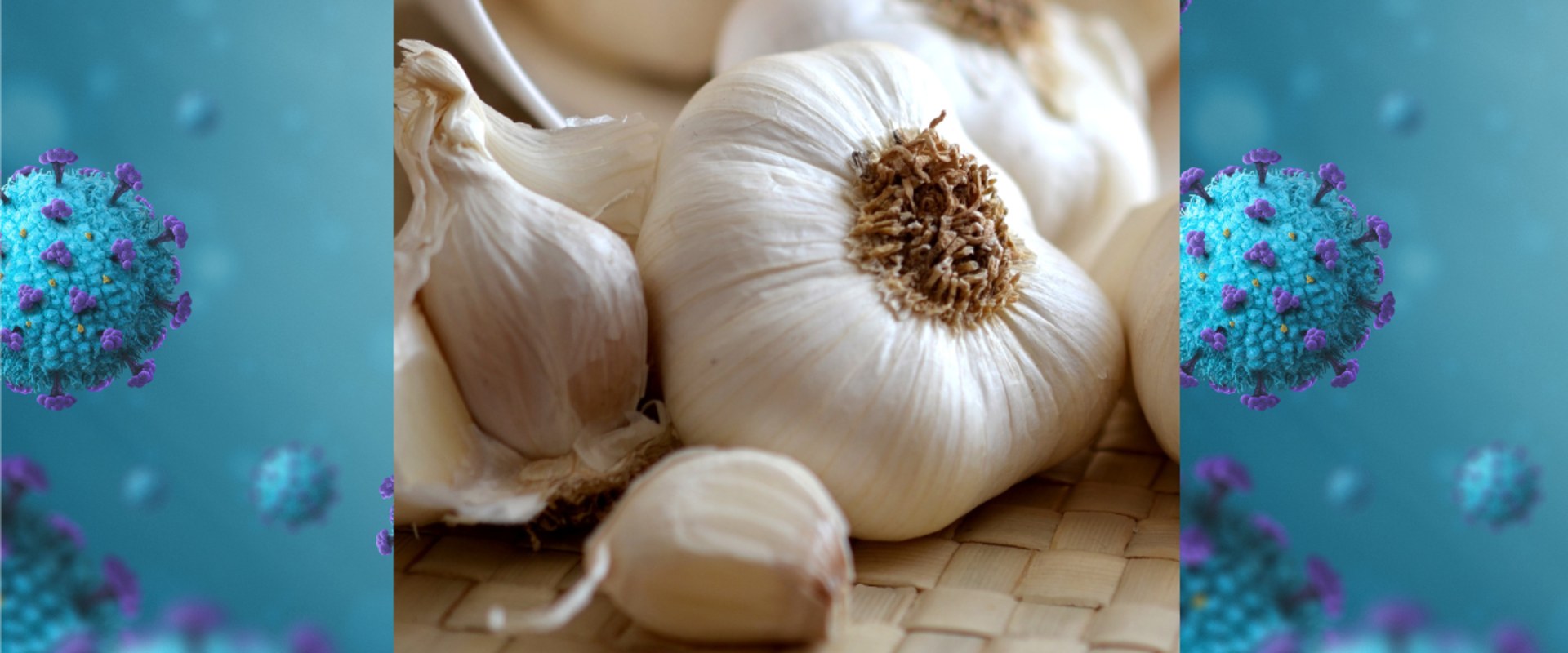
Garlic, a staple in kitchens around the world, is not just a flavorful addition to meals; it is also a powerhouse of health benefits, particularly known for its remarkable antibacterial properties. For centuries, this humble bulb has been revered in various cultures for its medicinal qualities, often regarded as a natural remedy for a multitude of ailments. The active compounds found in garlic, especially allicin, are primarily responsible for its potent antibacterial effects, making it an essential component in the fight against infections. Similarly, exploring the medicinal benefits of Mondia Whitei can reveal additional natural remedies that have been used traditionally. As we delve deeper into the Garlic, a staple in kitchens around the world, is not just a flavorful addition to meals; it is also a powerhouse of health benefits, particularly known for its remarkable antibacterial properties. For centuries, this humble bulb has been revered in various cultures for its medicinal qualities, often regarded as a natural remedy for a multitude of ailments. The active compounds found in garlic, especially allicin, are primarily responsible for its potent antibacterial effects, making it an essential component in the fight against infections. Similarly, exploring the medicinal benefits of Mondia Whitei can reveal additional natural remedies that have been used traditionally. As we delve deeper into the health benefits of garlic , it becomes evident that its antibacterial properties extend beyond mere folklore.
Scientific studies have demonstrated that garlic can effectively combat a wide range of pathogens, including both gram-positive and gram-negative bacteria. This versatility makes garlic not only a valuable culinary ingredient but also a formidable ally in maintaining overall health. The increasing popularity of garlic supplements reflects a growing awareness of these benefits, as more individuals seek natural alternatives to conventional antibiotics. Moreover, the mechanisms through which garlic exerts its antibacterial effects are fascinating. When crushed or chopped, garlic releases allicin, which has been shown to disrupt bacterial cell walls and inhibit their growth.
This unique action not only helps in treating existing infections but also plays a crucial role in preventing future ones. As we explore the various aspects of garlic's antibacterial properties, we will uncover how incorporating this potent supplement into your daily routine can enhance your immune system and promote better health.
The Science Behind Garlic's Antibacterial Effects
Garlic, scientifically known as Allium sativum, is not just a culinary delight but also a powerhouse of health benefits, particularly due to its remarkable antibacterial properties. At the heart of garlic's effectiveness lies a compound called allicin , which is produced when garlic is crushed or chopped. This process activates the enzyme alliinase, converting alliin into allicin, the compound responsible for garlic's distinctive smell and potent antimicrobial effects. Allicin exhibits a broad spectrum of antibacterial activity, making it effective against various pathogens.Research has shown that allicin can inhibit the growth of both gram-positive and gram-negative bacteria, including notorious strains such as Escherichia coli and Staphylococcus aureus. This dual action against different types of bacteria is crucial in an era where antibiotic resistance is becoming increasingly prevalent. In addition to allicin, garlic contains several other biologically active compounds that contribute to its antibacterial effects:
- Diallyl sulfide (DAS) : This compound has been shown to enhance the immune response and has its own antibacterial properties.
- S-allylcysteine (SAC) : Known for its antioxidant properties, SAC also plays a role in inhibiting bacterial growth.
- S-methyl cysteine : This compound helps in reducing inflammation and supports overall immune function.
By promoting the activity of immune cells such as macrophages and lymphocytes, garlic helps the body mount a more effective defense against infections. In summary, the science behind garlic's antibacterial effects is rooted in its rich array of sulfur-containing compounds, particularly allicin. These compounds work synergistically to combat bacterial infections while also supporting overall health through immune enhancement. Incorporating garlic into your diet or considering garlic supplements can be a natural way to harness these powerful benefits.
Key Compounds in Garlic and Their Functions
Garlic is not just a culinary delight; it is a powerhouse of health benefits, primarily due to its rich composition of active compounds. Among these, organosulfur compounds play a pivotal role in garlic's antibacterial properties.These compounds are responsible for the distinctive aroma and flavor of garlic, but their health benefits extend far beyond mere taste.
One of the most notable organosulfur compounds found in garlic is allicin. Allicin is produced when garlic is crushed or chopped, triggering an enzymatic reaction that converts alliin, a precursor compound, into allicin. This transformation is crucial because allicin exhibits potent antimicrobial activity against a wide range of pathogens.
Benefits of Allicin:
- Antibacterial Action: Allicin has been shown to inhibit the growth of various bacteria, including both gram-positive and gram-negative strains. This makes it effective against common pathogens such as Escherichia coli and Staphylococcus aureus.
- Antifungal Properties: In addition to its antibacterial effects, allicin also demonstrates antifungal activity, making it useful in combating fungal infections.
- Immune System Support: Allicin enhances the immune response by stimulating the production of white blood cells, which are essential for fighting infections.
-
Diallyl sulfide (DAS): This compound has been linked to reduced inflammation and improved cardiovascular health.
It also exhibits antibacterial properties that complement those of allicin.
- S-allylcysteine (SAC): Known for its antioxidant properties, SAC helps protect cells from oxidative stress while also supporting liver health.
- S-methyl cysteine (SMC): This compound aids in detoxification processes and has been studied for its potential role in cancer prevention.
Garlic Supplements: Forms and Efficacy
When it comes to harnessing the antibacterial properties of garlic, the form in which it is consumed can significantly influence its effectiveness. Two of the most popular forms of garlic supplements are garlic oil and garlic powder. Each has its unique benefits and potential drawbacks, making it essential to understand their differences to maximize health benefits.Garlic Oil Benefits
Garlic oil is derived from fresh garlic through a process of steam distillation, which concentrates its active compounds.One of the primary advantages of garlic oil is its high concentration of organosulfur compounds , particularly allicin, which is responsible for many of garlic's health benefits. The oil form is often considered more potent due to this concentration. , particularly allicin, which is responsible for many of garlic's health benefits. The oil form is often considered more potent due to this concentration.
- Enhanced Absorption: Garlic oil is typically easier for the body to absorb compared to raw garlic or powder, allowing for quicker delivery of its beneficial compounds.
- Convenience: Garlic oil can be taken in capsule form, making it a convenient option for those who dislike the taste or smell of raw garlic.
- Versatility: It can be used in cooking or as a salad dressing, providing a flavorful way to incorporate garlic into your diet.
Garlic Powder vs. Garlic Oil
Garlic powder is made by dehydrating fresh garlic and grinding it into a fine powder. While it retains some health benefits, there are notable differences when compared to garlic oil:-
Allicin Content: Garlic powder contains less allicin than garlic oil because the drying process can diminish some of its active compounds.
However, it still offers antibacterial properties and can be effective against various pathogens.
- Culinary Uses: Garlic powder is often favored in cooking for its ease of use and ability to blend seamlessly into recipes without altering the dish's texture.
- Longer Shelf Life: Garlic powder has a longer shelf life than fresh garlic or oil, making it a practical choice for those who want to keep a supply on hand.
Effectiveness of Garlic Supplements
The effectiveness of garlic supplements largely depends on individual health needs and preferences. While both garlic oil and powder offer antibacterial benefits, studies suggest that the concentrated nature of garlic oil may provide superior results in combating infections. However, incorporating either form into your diet can contribute positively to overall health. Ultimately, choosing between garlic oil and garlic powder may come down to personal preference regarding taste, convenience, and specific health goals. Regardless of the form you choose, both supplements can play a significant role in enhancing your immune system and providing natural antibacterial support.Research Studies on Garlic's Antibacterial Properties
Numerous research studies have been conducted to explore the antibacterial properties of garlic, revealing its potential as a natural alternative treatment for various infections.These studies highlight the efficacy of garlic supplements and extracts in combating a range of bacterial pathogens. One significant study published in the Journal of Antimicrobial Chemotherapy demonstrated that garlic extract exhibited potent antibacterial activity against several strains of bacteria, including Escherichia coli and Staphylococcus aureus. The researchers found that the active compound allicin was primarily responsible for this effect, effectively inhibiting bacterial growth and biofilm formation. Another clinical trial conducted at a prominent university investigated the effects of garlic supplements on patients with chronic respiratory infections. The results indicated that participants who took garlic supplements experienced a marked reduction in symptoms and a decrease in the frequency of infections compared to those who received a placebo. This study underscores the potential of garlic as a supportive treatment for respiratory health. A meta-analysis published in the International Journal of Food Sciences and Nutrition reviewed multiple studies on garlic's antibacterial effects.
The analysis concluded that garlic not only possesses broad-spectrum antibacterial properties but also enhances the immune response, making it an effective adjunct therapy for various infectious diseases. Furthermore, research has shown that garlic can be particularly beneficial against antibiotic-resistant bacteria. A study highlighted in the Journal of Medicinal Food found that garlic extract was effective against multidrug-resistant strains of Klebsiella pneumoniae , suggesting that garlic could play a crucial role in addressing the growing concern of antibiotic resistance. In summary, the body of research surrounding garlic's antibacterial properties is extensive and compelling. From clinical trials to laboratory studies, evidence supports the use of garlic supplements as a viable option for enhancing health and combating bacterial infections. As more studies emerge, garlic continues to solidify its reputation as a powerful natural remedy.
Garlic's Role in Preventing Infections
Garlic has long been celebrated not just for its culinary uses but also for its remarkable ability to bolster the immune system and prevent infections.The active compounds in garlic, particularly allicin, play a crucial role in enhancing the body’s natural defenses against various pathogens, including bacteria, viruses, and fungi. One of the primary ways garlic supports the immune system is by stimulating the activity of white blood cells, which are essential for fighting off infections. These cells act as the body’s first line of defense, identifying and destroying harmful microorganisms. Research has shown that regular consumption of garlic can lead to an increase in the number and activity of these immune cells, thereby enhancing the body’s ability to combat infections. Moreover, garlic exhibits potent antibacterial properties. Studies have demonstrated that garlic can effectively inhibit the growth of a wide range of bacteria, including Escherichia coli and Staphylococcus aureus, which are known to cause various infections.
This makes garlic a valuable addition to one’s diet, especially during cold and flu season when the risk of infection is heightened. In addition to its antibacterial effects, garlic is also effective against viruses. For instance, research indicates that garlic can help reduce the severity and duration of viral infections such as the common cold and influenza. The antiviral properties of garlic are attributed to its ability to enhance the production of cytokines, which are signaling proteins that help regulate immune responses. Furthermore, garlic's antifungal properties cannot be overlooked. It has been shown to combat fungal infections by inhibiting the growth of pathogens like Candida albicans, a common cause of yeast infections.
This multifaceted approach makes garlic an excellent natural remedy for preventing infections. To maximize the benefits of garlic for infection prevention, consider incorporating it into your daily routine in various forms:
- Raw Garlic: Consuming raw garlic cloves can provide the highest concentration of allicin.
- Garlic Supplements: For those who find raw garlic too pungent, supplements can offer a convenient alternative.
- Garlic Oil: This concentrated form retains many beneficial properties and can be used in cooking or taken as a supplement.
Potential Side Effects and Considerations of Garlic Supplements
While garlic supplements are widely recognized for their numerous health benefits, it is essential to consider potential side effects and precautions before incorporating them into your routine. Understanding these factors can help you make informed decisions about your health.Common Side Effects
- Digestive Issues: Some individuals may experience gastrointestinal discomfort, including bloating, gas, or diarrhea after taking garlic supplements. These symptoms are often mild but can be bothersome for some users.
-
Bad Breath and Body Odor: Garlic is notorious for causing bad breath and body odor due to its sulfur compounds.
This effect can be more pronounced with concentrated garlic supplements.
- Allergic Reactions: Although rare, some people may have an allergic reaction to garlic, leading to symptoms such as skin rashes, itching, or swelling. If you experience any of these symptoms, discontinue use and consult a healthcare professional.
- Heartburn: Garlic can relax the lower esophageal sphincter, potentially leading to heartburn or acid reflux in sensitive individuals.
Precautions with Garlic Use
Before starting garlic supplements, consider the following precautions:
- Consult Your Doctor: If you are pregnant, nursing, or have underlying health conditions such as liver disease or bleeding disorders, consult your healthcare provider before using garlic supplements.
- Surgery Considerations: Garlic has blood-thinning properties that may increase the risk of bleeding during and after surgery. It is advisable to stop taking garlic supplements at least two weeks before any scheduled surgical procedure.
- Drug Interactions: Garlic supplements can interact with certain medications, including anticoagulants (blood thinners), antiplatelet drugs, and some HIV medications. Always inform your doctor about any supplements you are taking.
Who Should Avoid Garlic Supplements?
Certain individuals should exercise caution or avoid garlic supplements altogether:
- Individuals with Allergies: Those who have a known allergy to garlic or related plants (like onions) should avoid these supplements.
- People on Blood Thinners: If you are taking anticoagulant medications, consult your doctor before using garlic supplements due to their potential blood-thinning effects.
- Sensitive Stomachs: Individuals prone to digestive issues may want to limit their intake of garlic supplements to avoid exacerbating their symptoms.
Consulting with a healthcare professional can help ensure that you use these supplements safely and effectively.
Incorporating Garlic into Your Diet: Tips and Recipes
Incorporating garlic into your daily meals is not only a great way to enhance flavor but also a means to harness its numerous health benefits. Here are some practical tips and delicious recipes to help you make the most of this powerful ingredient.How to Use Garlic in Cooking
Garlic can be used in various forms, including fresh cloves, minced, crushed, or as garlic powder. Here are some tips for using garlic effectively:- Fresh Garlic: For maximum health benefits, use fresh garlic. Crush or chop it and let it sit for a few minutes before cooking to activate its beneficial compounds.
-
Garlic Powder: While not as potent as fresh garlic, garlic powder can still add flavor and some health benefits.
Use it in marinades, dressings, or sprinkled on roasted vegetables.
- Roasted Garlic: Roasting garlic mellows its flavor and makes it sweet and creamy. Simply wrap whole bulbs in foil and roast them until soft. Spread on bread or mix into mashed potatoes for a delicious twist.
Easy Garlic Recipes
Here are a few simple recipes that highlight garlic's flavor and health benefits:-
Garlic Butter Shrimp:
- Ingredients: 1 lb shrimp, 4 cloves garlic (minced), 4 tbsp butter, salt, pepper, parsley.
- Instructions: Melt butter in a skillet over medium heat. Add minced garlic and sauté until fragrant.
Add shrimp, season with salt and pepper, and cook until pink. Garnish with parsley before serving.
-
Garlic Roasted Vegetables:
- Ingredients: 2 cups mixed vegetables (carrots, bell peppers, zucchini), 4 cloves garlic (sliced), olive oil, salt, pepper.
- Instructions: Preheat oven to 400°F. Toss vegetables with olive oil, sliced garlic, salt, and pepper. Spread on a baking sheet and roast for 25-30 minutes until tender.
-
Garlic Hummus:
- Ingredients: 1 can chickpeas (drained), 2 cloves garlic (minced), 3 tbsp tahini, juice of 1 lemon, olive oil.
- Instructions: In a food processor, combine chickpeas, minced garlic, tahini, lemon juice, and a drizzle of olive oil.
Blend until smooth. Adjust seasoning as needed.
Frequently Asked Questions About Garlic Supplements
Garlic supplements have gained popularity in recent years, but many people still have questions about their effectiveness and safety. Below are some frequently asked questions that can help clarify common misconceptions and provide insight into the benefits of garlic supplements.-
What are the main benefits of garlic supplements?
Garlic supplements are known for their potential health benefits, including: - Boosting the immune system
- Reducing blood pressure
- Lowering cholesterol levels
- Exhibiting antibacterial and antiviral properties
-
Are garlic supplements safe to take?
For most people, garlic supplements are considered safe when taken in recommended doses.However, individuals on blood-thinning medications or those with certain medical conditions should consult a healthcare provider before starting any supplement regimen.
-
Can garlic supplements replace prescription medications?
While garlic supplements can support overall health, they should not be viewed as a substitute for prescribed medications. Always consult with a healthcare professional regarding any changes to your treatment plan.
-
What is the best form of garlic supplement?
Garlic is available in various forms, including capsules, tablets, and oils. Each form has its own advantages: - Garlic oil: Often more concentrated and may provide stronger effects.
- Garlic powder: Convenient and easy to incorporate into meals.
- Fresh garlic: Offers the highest levels of allicin but may not be practical for everyone.
-
Are there any side effects associated with garlic supplements?
Some individuals may experience mild side effects such as digestive upset, bad breath, or body odor. These effects can often be minimized by taking the supplement with food.
With their numerous potential health benefits and relatively low risk of side effects, they can be a valuable addition to your wellness routine.
Conclusion: The Power of Garlic as a Natural Antibacterial Agent
In summary, the remarkable antibacterial properties of garlic make it a potent natural remedy that has stood the test of time. From ancient civilizations to modern-day health enthusiasts, garlic has been revered not only for its culinary uses but also for its extensive health benefits. The active compound allicin , which is released when garlic is crushed or chopped, plays a pivotal role in its antimicrobial effectiveness. This compound has demonstrated efficacy against a wide array of pathogens, including both gram-positive and gram-negative bacteria, as well as viruses and fungi. Moreover, garlic's ability to combat antibiotic-resistant strains of bacteria highlights its importance in contemporary health discussions.As antibiotic resistance becomes an increasingly pressing issue, incorporating garlic supplements into one’s diet may offer a natural alternative or complement to traditional antibiotics. The various forms of garlic, such as garlic oil and garlic powder , provide flexibility in how individuals can harness its benefits. Additionally, the presence of other biologically active compounds in garlic, such as diallyl sulfide and S-allylcysteine, further enhances its antibacterial properties and contributes to its overall health benefits. These compounds work synergistically to support the immune system, making garlic not just a food additive but a valuable ally in maintaining health. As you consider your health regimen, think about the potential advantages of adding garlic supplements. Whether you choose to consume fresh garlic or opt for concentrated supplements, the incorporation of this powerful bulb can be a simple yet effective strategy for enhancing your overall well-being.
Embracing garlic as part of your daily routine may not only help in preventing infections but also promote a healthier lifestyle. In conclusion, the multifaceted benefits of garlic extend beyond its flavor profile; it serves as a formidable natural antibacterial agent that deserves a place in your health toolkit. By recognizing and utilizing the garlic supplement benefits, you can take proactive steps toward better health and resilience against infections.