The practical guide to garlic supplements
The Power of Garlic: Exploring Its Antimicrobial Properties and Supplement Benefits
Discover the antimicrobial properties of garlic and its health benefits. Learn how garlic supplements can enhance your well-being.

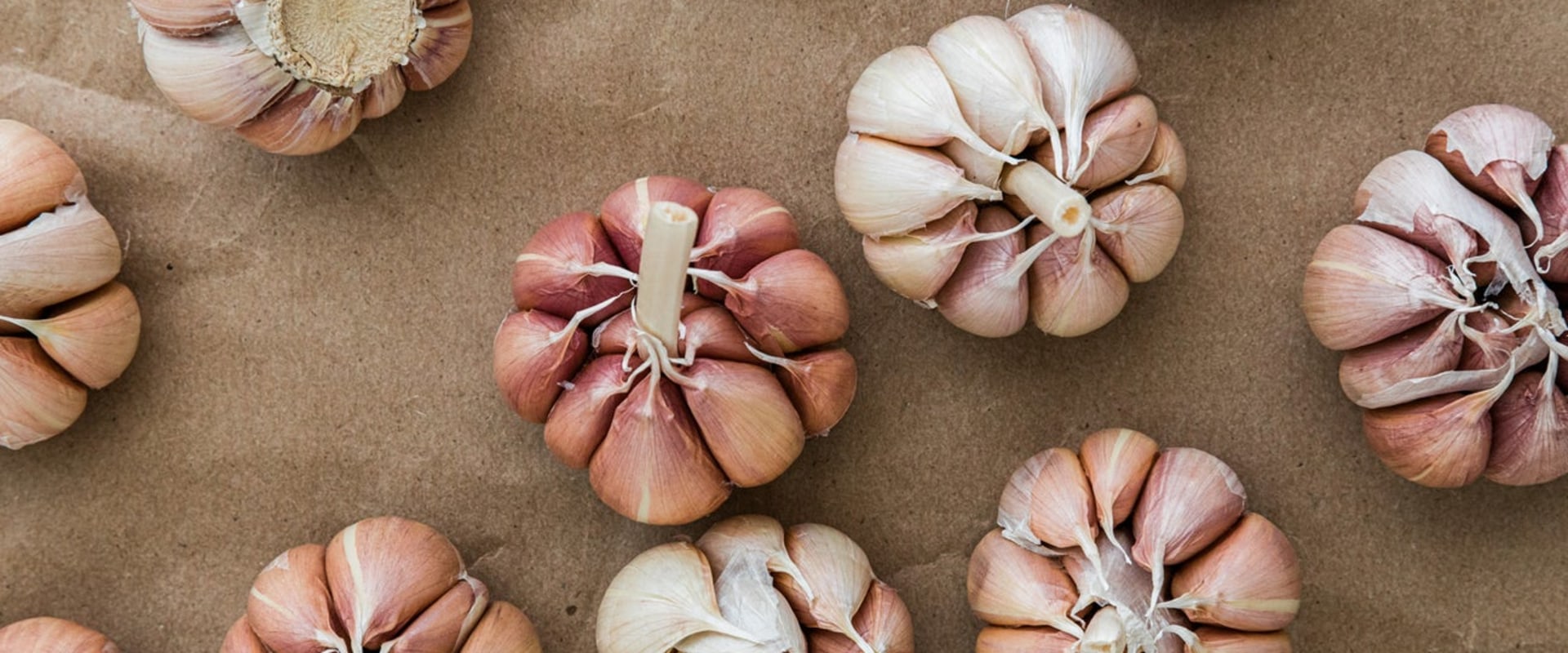
Garlic, scientifically known as Allium sativum, has been revered for centuries not only as a culinary staple but also as a potent natural remedy. Its rich history dates back to ancient civilizations, where it was utilized for its medicinal properties in cultures such as Egypt, Greece, and China. Today, garlic is gaining renewed attention in health discussions, particularly for its remarkable antimicrobial properties and overall health benefits. As we delve into the world of garlic, it becomes evident that this humble bulb holds a treasure trove of advantages that can enhance our well-being. The health benefits of garlic are extensive and multifaceted.
From boosting the immune system to improving cardiovascular health, garlic has earned its place as a superfood in modern diets. One of the most compelling aspects of garlic is its ability to combat harmful bacteria and pathogens. Research has shown that garlic can effectively inhibit the growth of various bacterial strains, making it a natural alternative to conventional antibiotics. This is particularly significant in an era where antibiotic resistance poses a growing threat to public health. Moreover, the rise of garlic supplements has made it easier for individuals to incorporate this powerful ingredient into their daily routines without the strong odor associated with raw garlic.
These supplements offer concentrated doses of garlic's beneficial compounds, allowing users to experience its health benefits more conveniently. As we explore the antimicrobial properties of garlic further, we will uncover how these supplements can play a vital role in supporting gut health and overall wellness.
Understanding Antimicrobial Properties of Garlic
Garlic, scientifically known as Allium sativum, has been revered for centuries not only for its culinary uses but also for its remarkable antimicrobial properties. The active compounds in garlic, particularly allicin , play a pivotal role in its ability to combat various pathogens, including bacteria, viruses, fungi, and even parasites. When garlic is crushed or chopped, it releases allicin, which is responsible for its distinctive aroma and flavor. This compound exhibits potent antimicrobial activity by disrupting the cellular processes of harmful microorganisms.Here’s how garlic effectively fights against different types of pathogens:
- Bacterial Inhibition: Garlic has been shown to be effective against a wide range of bacteria, including both gram-positive and gram-negative strains. Research indicates that allicin can inhibit the growth of bacteria such as Escherichia coli, Salmonella, and Staphylococcus aureus. By interfering with bacterial cell wall synthesis and protein production, garlic can significantly reduce bacterial load in the body.
- Antiviral Properties: Studies have demonstrated that garlic possesses antiviral effects, particularly against respiratory viruses. Allicin can enhance the immune response and inhibit viral replication, making it a valuable ally during cold and flu seasons.
- Fungal Resistance: Garlic is also effective against various fungi, including those responsible for infections like athlete's foot and candida.
Its antifungal properties help in preventing fungal overgrowth in the body.
- Antiparasitic Effects: Some research suggests that garlic may help combat certain parasites, including intestinal worms. Its ability to create an inhospitable environment for these organisms contributes to overall gut health.
The Science Behind Garlic's Antimicrobial Effects
Garlic, scientifically known as Allium sativum, has been revered for its health benefits for centuries, particularly for its potent antimicrobial properties.The key to garlic's effectiveness lies in its active compounds, with allicin being the most notable. Allicin is formed when garlic is crushed or chopped, activating a series of enzymatic reactions that release this powerful compound. Research has shown that allicin possesses remarkable antibacterial, antiviral, and antifungal properties. A study published in the Journal of Antimicrobial Chemotherapy demonstrated that allicin can inhibit the growth of various bacteria, including Escherichia coli and Staphylococcus aureus , which are known to cause serious infections in humans. The study found that allicin was effective at concentrations as low as 0.1%, showcasing its potential as a natural alternative to conventional antibiotics. In addition to allicin, garlic contains other sulfur-containing compounds such as ajoene , diallyl sulfide , and diallyl disulfide.
These compounds also contribute to garlic's antimicrobial effects. For instance, ajoene has been shown to exhibit antifungal activity against strains of Candida albicans , a common yeast infection. A comprehensive review published in the International Journal of Food Microbiology highlighted the synergistic effects of garlic compounds. The review noted that when combined with other natural antimicrobials, garlic could enhance their effectiveness against pathogens, making it a valuable addition to food preservation methods. The antimicrobial properties of garlic extend beyond bacteria and fungi; studies have also indicated its efficacy against viruses. For example, research conducted by the University of Maryland Medical Center found that garlic can help reduce the severity and duration of colds and flu symptoms due to its immune-boosting properties. In summary, the science behind garlic's antimicrobial effects is robust and well-supported by research.
With its active compounds like allicin and ajoene demonstrating significant antibacterial, antiviral, and antifungal activities, garlic stands out as a powerful natural remedy. Incorporating garlic into your diet not only enhances flavor but also provides a myriad of health benefits backed by scientific evidence.
Garlic Supplements: Benefits and Considerations
Garlic supplements have gained popularity as a convenient way to harness the health benefits of garlic without the need to consume it in its raw form. These supplements come in various forms, each offering unique advantages and considerations for those looking to enhance their health regimen.Types of Garlic Supplements
- Garlic Powder: This is made from dehydrated garlic cloves and is often used in cooking. It retains many of the beneficial compounds found in fresh garlic, making it a popular choice for those who prefer a powdered form.
- Garlic Oil: Extracted from garlic cloves, garlic oil is rich in allicin, the active compound responsible for many of garlic's health benefits.
It can be taken in liquid form or encapsulated for convenience.
- Aged Garlic Extract: This supplement undergoes a fermentation process that enhances its antioxidant properties. Aged garlic extract is often touted for its cardiovascular benefits and is available in both liquid and capsule forms.
- Garlic Capsules: These are convenient for those who dislike the taste or smell of garlic. Capsules typically contain powdered garlic or aged garlic extract, providing a concentrated dose of its beneficial compounds.
Benefits of Garlic Supplements
The benefits of garlic supplements are numerous and can complement a healthy lifestyle:- Antimicrobial Properties: Garlic supplements retain the antimicrobial effects of raw garlic, helping to combat harmful bacteria and viruses.
- Cardiovascular Health: Regular consumption of garlic supplements has been linked to improved heart health, including lower blood pressure and cholesterol levels.
- Convenience: For those with busy lifestyles, supplements offer an easy way to incorporate garlic into their diet without the need for preparation or cooking.
- Consistent Dosage: Supplements provide a standardized amount of active ingredients, ensuring that users receive consistent health benefits.
Considerations for Use
While garlic supplements offer many advantages, there are important considerations to keep in mind:- Efficacy: The effectiveness of garlic supplements can vary based on the type and preparation method. Aged garlic extract may offer more potent benefits compared to other forms.
- Dosing: It's essential to follow recommended dosages on supplement labels or consult with a healthcare professional to avoid potential side effects.
- Interactions: Garlic supplements can interact with certain medications, particularly blood thinners.
Always consult with a healthcare provider before starting any new supplement regimen.
Comparing Fresh Garlic to Supplements: What You Need to Know
When it comes to harnessing the health benefits of garlic, a common debate arises: should you opt for fresh garlic or garlic supplements? Each form has its own set of advantages and potential drawbacks, making it essential to understand the differences to make an informed choice.Fresh Garlic: Nature's Powerhouse
Fresh garlic is renowned for its potent antimicrobial properties, largely attributed to its active compound, allicin. When garlic is crushed or chopped, allicin is released, providing a range of health benefits. Consuming fresh garlic can:
- Enhance Immune Function: Regular consumption of fresh garlic may boost your immune system, helping your body fend off infections.
- Support Heart Health: Fresh garlic has been linked to lower blood pressure and improved cholesterol levels, contributing to overall cardiovascular health.
- Improve Digestive Health: The prebiotic properties of fresh garlic promote the growth of beneficial gut bacteria, enhancing digestion.
Additionally, cooking can diminish some of its health benefits, particularly if exposed to high heat for extended periods.
Garlic Supplements: Convenience and Concentration
Garlic supplements come in various forms, including capsules, powders, and oils. They offer a convenient way to incorporate garlic into your diet without the strong taste. Some benefits of garlic supplements include:
- Standardized Dosage: Supplements often provide a consistent amount of active ingredients, making it easier to manage intake.
- No Odor: Many people prefer supplements because they eliminate the pungent smell associated with fresh garlic.
- Targeted Benefits: Certain supplements are formulated to maximize specific health benefits, such as cardiovascular support or immune enhancement.
Some may lack the necessary compounds found in fresh garlic that contribute to its health benefits.
The Best Way to Consume Garlic
The best way to consume garlic ultimately depends on your personal preferences and health goals. If you enjoy cooking and can tolerate the flavor, incorporating fresh garlic into your meals is an excellent option. On the other hand, if you prefer convenience or have difficulty digesting raw garlic, high-quality supplements may be a suitable alternative.
In conclusion, both fresh garlic and supplements offer unique advantages. To maximize the benefits of garlic, consider incorporating both forms into your diet as part of a balanced approach to health.
Garlic's Role in Gut Health and Microbiome Balance
Garlic is not just a flavorful addition to our meals; it plays a significant role in promoting gut health and maintaining a balanced microbiome.One of the key ways garlic contributes to digestive wellness is through its function as a prebiotic. Prebiotics are non-digestible food components that stimulate the growth and activity of beneficial bacteria in the gut, known as probiotics. When we consume garlic, it introduces various compounds, including fructooligosaccharides (FOS) and inulin, which serve as food for these beneficial bacteria. This symbiotic relationship is crucial because probiotics rely on prebiotics for their survival and growth. Without adequate prebiotics, probiotics may struggle to thrive, leading to an imbalance in the gut microbiome. The impact of garlic on gut health extends beyond merely feeding good bacteria.
Research has shown that regular consumption of garlic can enhance the diversity of the gut microbiome. A diverse microbiome is essential for optimal digestive function and overall health, as it helps in breaking down food, absorbing nutrients, and protecting against harmful pathogens. Moreover, garlic's antimicrobial properties help to inhibit the growth of harmful bacteria while promoting beneficial strains. This dual action not only supports a healthy gut environment but also reduces the risk of gastrointestinal issues such as bloating, constipation, and diarrhea. Incorporating garlic into your diet can be simple and delicious. Whether you add it to soups, stir-fries, or salads, the benefits are numerous.
For those who may not enjoy the taste of raw garlic or find it difficult to incorporate into their meals regularly, garlic supplements are available. However, it's important to choose high-quality supplements that retain the active compounds responsible for its health benefits. In conclusion, garlic serves as a powerful ally in promoting gut health through its prebiotic effects and ability to balance the microbiome. By fostering a thriving community of beneficial bacteria while inhibiting harmful strains, garlic can significantly contribute to digestive wellness and overall health.
Historical Use of Garlic in Medicine
The use of garlic as a medicinal remedy has a rich and varied history that spans thousands of years and multiple cultures. Its therapeutic properties have been recognized since ancient times, making it one of the oldest known medicinal plants. In ancient Egypt, garlic was highly valued not only for its culinary uses but also for its health benefits.Historical texts indicate that garlic was given to laborers to enhance their strength and endurance while building the pyramids. It was believed to ward off diseases and was even used in embalming practices due to its antimicrobial properties. Similarly, in ancient Greece, garlic was recommended by Hippocrates, often referred to as the "Father of Medicine." He prescribed garlic for various ailments, including respiratory issues and digestive problems. The Greeks also believed that garlic could improve physical performance, which led to its use among athletes during the Olympic Games. In traditional Chinese medicine, garlic has been utilized for centuries as a remedy for a wide range of conditions. It is often included in herbal formulations aimed at treating colds, flu, and digestive disorders.
The Chinese recognized garlic's ability to enhance circulation and boost the immune system, making it a staple in their medicinal practices. Garlic's significance extends to Indian Ayurvedic medicine as well. It is considered a powerful herb that balances the body's doshas (energies) and is used to treat infections, inflammation, and even heart disease. Ayurvedic practitioners often recommend garlic for its detoxifying properties and its ability to promote overall health. Throughout history, garlic has also been associated with various folk remedies. In medieval Europe, it was believed to protect against the plague and other infectious diseases.
People would hang garlic bulbs in their homes or wear them as amulets to ward off evil spirits and illness. Today, modern science continues to validate many of these traditional uses of garlic. Research has shown that garlic possesses potent antimicrobial properties, making it effective against a variety of pathogens. This historical perspective not only highlights the enduring legacy of garlic in medicine but also underscores its relevance in contemporary health practices.
Potential Side Effects and Precautions When Using Garlic Supplements
While garlic supplements are widely recognized for their numerous health benefits, it is essential to consider potential side effects and precautions before incorporating them into your routine. Understanding these aspects can help you make informed decisions about your health.Common Side Effects
- Gastrointestinal Issues: One of the most frequently reported side effects of garlic supplements is gastrointestinal discomfort.
This can include symptoms such as bloating, gas, diarrhea, and heartburn. These effects are often more pronounced when garlic is consumed in large quantities or on an empty stomach.
- Allergic Reactions: Some individuals may experience allergic reactions to garlic, which can manifest as skin rashes, itching, or even more severe symptoms like difficulty breathing. If you have a known allergy to garlic or related plants in the Allium family (such as onions), it is advisable to avoid garlic supplements.
- Bad Breath and Body Odor: Garlic is notorious for causing bad breath and body odor due to its sulfur-containing compounds. While this may not be a health concern, it can be socially uncomfortable for some individuals.
- Blood Thinning Effects: Garlic has natural anticoagulant properties, which means it can thin the blood.
This effect can be beneficial for cardiovascular health but may pose risks for individuals taking blood-thinning medications or those with bleeding disorders. It is crucial to consult a healthcare provider if you fall into this category.
Precautions When Using Garlic Supplements
- Consultation with Healthcare Providers: Before starting any new supplement regimen, including garlic supplements, it is wise to consult with a healthcare professional, especially if you have underlying health conditions or are pregnant or breastfeeding.
- Dosage Considerations: Adhering to recommended dosages is vital. Excessive intake of garlic supplements can lead to increased side effects and may not provide additional benefits. Always follow the guidelines provided on the supplement label or by your healthcare provider.
- Timing of Consumption: To minimize gastrointestinal discomfort, consider taking garlic supplements with meals rather than on an empty stomach.
This approach can help buffer the digestive system against potential irritation.
Who Should Avoid Garlic Supplements?
Certain individuals should exercise caution or avoid garlic supplements altogether:
- Those with a history of allergies to garlic or related plants.
- Individuals on anticoagulant medications or those with bleeding disorders.
- People undergoing surgery should discontinue garlic supplements at least two weeks prior to the procedure due to their blood-thinning effects.
Frequently Asked Questions About Garlic and Its Benefits
Garlic has long been celebrated for its numerous health benefits, but many people still have questions about how to incorporate it into their diets effectively. Below are some frequently asked questions regarding garlic and its supplements.What are the health benefits of garlic supplements?
Garlic supplements are known for their potential to enhance overall health. Some of the key benefits include:- Antimicrobial properties: Garlic is effective against various bacteria, viruses, and fungi, making it a natural choice for boosting the immune system.
- Cardiovascular health: Regular consumption of garlic can help lower blood pressure and cholesterol levels, reducing the risk of heart disease.
- Anti-inflammatory effects: Garlic contains compounds that may help reduce inflammation in the body, which is linked to numerous chronic diseases.
- Antioxidant effects: The antioxidants in garlic can help combat oxidative stress, potentially lowering the risk of certain cancers.
How much garlic should I take daily?
The recommended daily intake of garlic can vary based on individual health needs and dietary preferences.However, general guidelines suggest:
- Raw garlic: Consuming 1-2 cloves of raw garlic per day is often recommended for optimal health benefits.
- Garlic supplements: If you prefer supplements, a typical dosage ranges from 600 to 1,200 mg of aged garlic extract per day. Always consult with a healthcare provider before starting any new supplement regimen.
Are there any side effects associated with garlic?
While garlic is generally safe for most people when consumed in moderate amounts, some individuals may experience side effects such as:- Digestive issues: Garlic can cause gastrointestinal discomfort, including bloating and gas.
- Allergic reactions: Some people may be allergic to garlic and could experience symptoms like skin rashes or difficulty breathing.
Can I take garlic supplements with other medications?
Garlic can interact with certain medications, particularly blood thinners and medications for HIV/AIDS. It is crucial to discuss with your doctor or pharmacist before combining garlic supplements with other treatments to avoid potential interactions. This FAQ section aims to clarify common queries about garlic and its benefits, helping you make informed decisions about incorporating this powerful ingredient into your health regimen.Conclusion: Embracing Garlic for Better Health
In conclusion, the remarkable benefits of garlic extend far beyond its culinary uses. As we have explored throughout this article, garlic is not just a flavorful addition to our meals; it is a potent natural remedy with significant antimicrobial properties that can enhance our overall health.From its ability to combat harmful bacteria and viruses to its role as a prebiotic that supports gut health, garlic stands out as a versatile ally in our quest for better well-being. Incorporating garlic into your diet can be a simple yet effective way to bolster your immune system and promote a healthy gut microbiome. Whether you choose to consume it in its raw form, add it to your favorite dishes, or consider garlic supplements, the key is to make it a regular part of your dietary routine. The studies highlighting garlic's effectiveness against various pathogens underscore its potential as a natural alternative to conventional antibiotics, especially in an era where antibiotic resistance is a growing concern. Moreover, the historical use of garlic as a medicinal remedy across cultures adds to its credibility as a health-enhancing food. Its long-standing reputation in traditional medicine is supported by modern research, which continues to unveil new health benefits associated with this humble bulb. As you contemplate ways to improve your health, consider the following:
- Fresh Garlic: Incorporate fresh garlic into your meals for maximum potency and flavor.
- Garlic Supplements: If you find it challenging to consume enough garlic daily, high-quality supplements can provide an effective alternative.
- Diverse Uses: Experiment with different forms of garlic—roasted, sautéed, or even in dressings—to keep your meals exciting while reaping the benefits.
So go ahead and add that extra clove or two; your body will undoubtedly appreciate the effort!.