The practical guide to garlic supplements
The Healing Powers of Garlic: A Comprehensive Guide to Garlic Supplement Benefits
Discover the incredible health benefits of garlic supplements, from boosting immunity to supporting heart health and reducing inflammation.

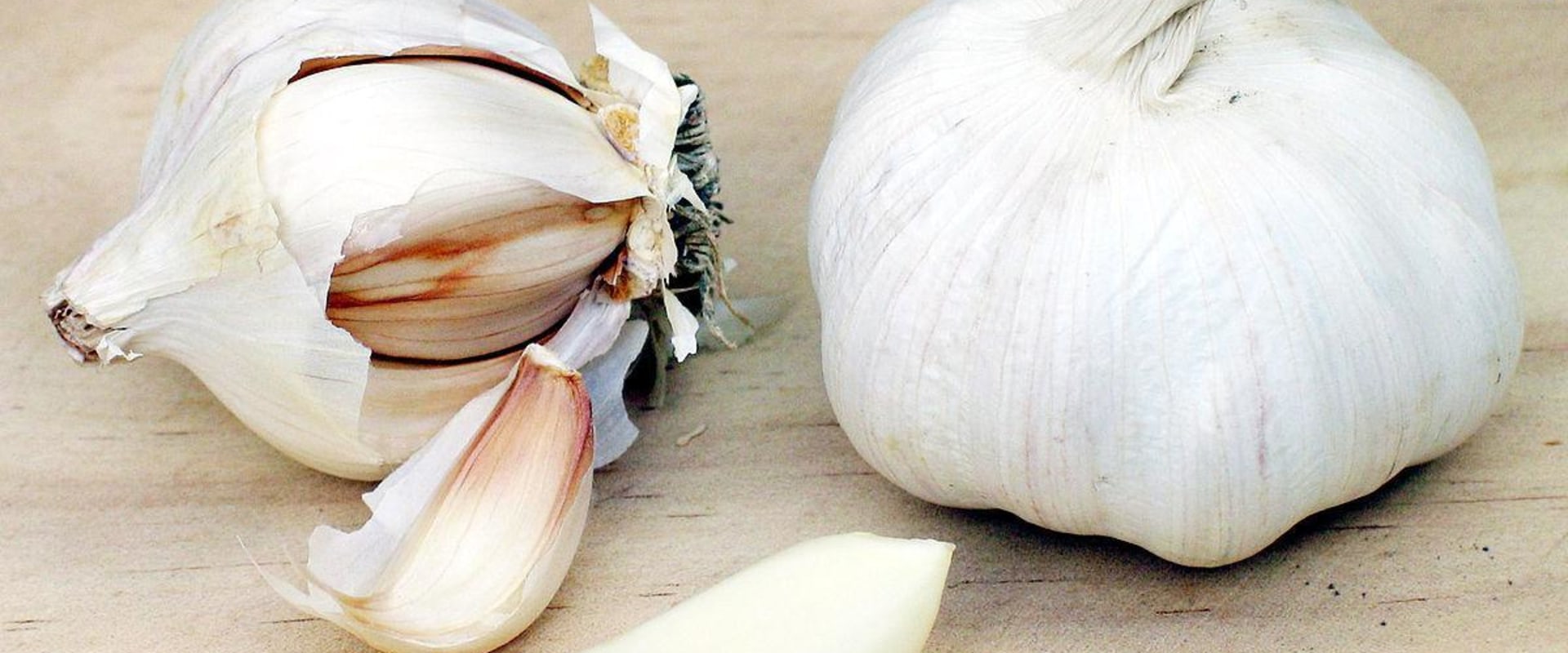
Garlic, scientifically known as Allium sativum, has been revered for centuries not only as a culinary staple but also as a potent medicinal herb. Its rich history dates back to ancient civilizations, where it was utilized for its remarkable healing properties. From the Egyptians who used it to enhance physical strength and endurance to the Greeks and Romans who valued it for its health benefits, garlic has long been recognized as a powerful superfood. Today, modern science continues to validate these historical claims, revealing a plethora of garlic benefits that extend far beyond its distinctive flavor. This humble bulb is packed with essential nutrients, including vitamins C and B6, manganese, calcium, potassium, and various antioxidants.
The active compounds in garlic, particularly allicin, are responsible for many of its health-promoting effects. Allicin is released when garlic is crushed or chopped, showcasing its potential to combat infections, reduce inflammation, and even lower blood pressure. As a result, garlic supplements have gained popularity among health enthusiasts seeking to harness these garlic supplement benefits without the strong taste or odor associated with raw garlic. The healing properties of garlic are not merely anecdotal; numerous studies have demonstrated its efficacy in supporting cardiovascular health, enhancing immune function, and even exhibiting anti-cancer effects. By incorporating garlic into your diet or opting for concentrated supplements, you can tap into this natural powerhouse that has stood the test of time.
As we delve deeper into the various health benefits associated with garlic and its supplements, it becomes clear that this versatile ingredient is more than just a flavor enhancer—it's a vital ally in promoting overall well-being.
Nutritional Profile of Garlic
Garlic, a member of the Allium family, is not only a culinary staple but also a powerhouse of nutrients that contribute to its numerous health benefits. Understanding the nutritional profile of garlic is essential for appreciating how its components work synergistically to promote overall health. One of the most notable aspects of garlic is its rich content of vitamins and minerals. Here are some key nutrients found in garlic:- Vitamin C: Garlic is a good source of vitamin C, an antioxidant that helps protect cells from damage, supports the immune system, and aids in collagen production.
- B Vitamins: Garlic contains several B vitamins, including B6 (pyridoxine), which is vital for metabolism and brain health, and B1 (thiamine), which plays a role in energy production.
- Manganese: This trace mineral is essential for bone health and metabolism. Garlic provides a significant amount of manganese, contributing to antioxidant defenses.
- Calcium: Important for bone health and muscle function, garlic contains calcium that can help support these bodily functions.
- Selenium: An essential mineral with antioxidant properties, selenium in garlic helps protect against oxidative stress and supports thyroid function.
One of the most studied components is allicin , which is formed when garlic is crushed or chopped. Allicin is responsible for many of garlic's medicinal effects, including its antimicrobial and anti-inflammatory properties. Garlic also contains various antioxidants that combat free radicals in the body. These antioxidants include:
- Flavonoids: These compounds have anti-inflammatory effects and may help reduce the risk of chronic diseases.
- Sulfur Compounds: Besides allicin, garlic contains other sulfur compounds that contribute to its health benefits, including diallyl sulfide and ajoene.
By incorporating garlic into your meals or considering it as a supplement, you can harness its nutritional power to support your overall well-being.
Health Benefits of Garlic Supplements
Garlic supplements have gained popularity as a convenient way to harness the numerous health benefits associated with garlic. These supplements are often concentrated forms of garlic, providing a potent dose of its active compounds, particularly allicin , which is known for its therapeutic properties. Below, we explore some of the key health benefits of garlic supplements, focusing on their impact on immunity, heart health, and inflammation.Garlic for Immunity
One of the most significant advantages of garlic supplements is their ability to bolster the immune system. Research has shown that garlic can enhance the function of immune cells, such as macrophages and lymphocytes, which play crucial roles in defending the body against pathogens.A study published in the Journal of Nutrition found that participants who took garlic supplements experienced fewer colds and respiratory infections compared to those who did not. The immune-boosting effects of garlic are attributed to its rich content of antioxidants and sulfur compounds. These components help reduce oxidative stress in the body, which can weaken immune responses. By incorporating garlic supplements into your daily routine, you may find yourself better equipped to fend off illnesses.
Garlic for Heart Health
Garlic is also renowned for its cardiovascular benefits. Numerous studies have indicated that garlic supplements can help lower blood pressure and cholesterol levels, both of which are critical factors in maintaining heart health.A meta-analysis published in The Journal of Clinical Hypertension revealed that garlic supplementation significantly reduced systolic and diastolic blood pressure in individuals with hypertension. Furthermore, garlic has been shown to improve lipid profiles by decreasing total cholesterol and low-density lipoprotein (LDL) cholesterol while increasing high-density lipoprotein (HDL) cholesterol. This dual action helps reduce the risk of atherosclerosis and other cardiovascular diseases. Regular consumption of garlic supplements may thus contribute to a healthier heart and improved overall cardiovascular function.
Anti-Inflammatory Properties
In addition to its immune-boosting and heart-protective effects, garlic exhibits potent anti-inflammatory properties. Chronic inflammation is linked to various health issues, including heart disease, diabetes, and certain cancers.Garlic's active compounds can inhibit inflammatory markers in the body, helping to reduce inflammation. A study published in The American Journal of Clinical Nutrition highlighted that participants who consumed garlic supplements showed lower levels of inflammatory cytokines compared to those who did not. This suggests that incorporating garlic into your diet—whether through whole cloves or supplements—can be an effective strategy for managing inflammation and promoting overall health. In conclusion, garlic supplements offer a range of health benefits that can enhance immunity, support heart health, and combat inflammation. As with any supplement, it is essential to consult with a healthcare professional before starting a new regimen to ensure it aligns with your individual health needs.
Garlic's Role in Immune System Support
Garlic has long been celebrated for its remarkable ability to bolster the immune system, making it a staple in both culinary and medicinal practices. The active compounds found in garlic, particularly allicin , are primarily responsible for its immune-enhancing properties.When garlic is crushed or chopped, it releases allicin, which has been shown to exhibit potent antimicrobial effects against a variety of pathogens. Research indicates that garlic can effectively combat bacteria, viruses, and fungi, thereby reducing the incidence of infections. For instance, a study published in the Journal of Nutrition highlighted that individuals who consumed garlic regularly experienced fewer colds and respiratory infections compared to those who did not include it in their diets. This suggests that garlic not only helps in preventing infections but also plays a role in shortening the duration of illnesses. Moreover, garlic's antiviral properties have garnered attention in recent years. Studies have demonstrated that garlic can inhibit the replication of certain viruses, including the common cold virus and even more severe strains like the influenza virus.
This antiviral action is attributed to garlic's ability to enhance the activity of immune cells such as macrophages and natural killer cells, which are crucial for identifying and eliminating viral invaders. In addition to its direct effects on pathogens, garlic also contributes to overall immune health by modulating inflammatory responses. Chronic inflammation can weaken the immune system over time, making the body more susceptible to diseases. Garlic contains various antioxidants that help reduce oxidative stress and inflammation, thereby supporting a balanced immune response. To maximize the immune-boosting benefits of garlic, it is recommended to consume it raw or lightly cooked. While cooking can enhance its flavor, excessive heat may diminish some of its beneficial compounds.
Incorporating fresh garlic into salads, dressings, or as a seasoning for various dishes can be an effective way to harness its health benefits. In summary, the evidence supporting garlic's immune system benefits is compelling. From its antimicrobial and antiviral properties to its role in reducing inflammation, garlic serves as a powerful ally in maintaining a robust immune system. Regular inclusion of this potent bulb in your diet can lead to improved health outcomes and enhanced resistance against infections.
Garlic and Cardiovascular Health
Garlic has long been celebrated not just for its culinary uses but also for its remarkable heart health benefits. Numerous studies have highlighted how this potent bulb can play a significant role in promoting cardiovascular health, primarily through its ability to lower cholesterol levels and control blood pressure. One of the most compelling aspects of garlic's impact on heart health is its effect on cholesterol reduction.Research indicates that garlic can help reduce total cholesterol and low-density lipoprotein (LDL) cholesterol, often referred to as "bad" cholesterol. A meta-analysis of several studies found that participants who consumed garlic supplements experienced a notable decrease in LDL cholesterol levels. This reduction is crucial because high LDL levels are associated with an increased risk of heart disease. Garlic's cholesterol-lowering effects are attributed to its active compounds, particularly allicin. Allicin not only helps in reducing cholesterol synthesis in the liver but also enhances the body's ability to eliminate excess cholesterol.
By incorporating garlic into your diet, you may be taking a proactive step towards maintaining healthy cholesterol levels. In addition to managing cholesterol, garlic is also effective in blood pressure control. Hypertension, or high blood pressure, is a significant risk factor for heart disease and stroke. Studies have shown that garlic can lead to a modest but meaningful reduction in blood pressure among individuals with hypertension. The mechanism behind this effect involves the relaxation of blood vessels, which improves blood flow and reduces the strain on the heart. For those looking to harness the cardiovascular benefits of garlic, incorporating it into your daily routine can be simple and delicious.
Whether consumed raw, cooked, or in supplement form, garlic can easily be added to various dishes. However, it's essential to note that while fresh garlic is often considered the most beneficial, aged garlic extracts have also been shown to provide similar heart health advantages. In conclusion, the incorporation of garlic into your diet can serve as a natural strategy for enhancing cardiovascular health. By lowering cholesterol levels and controlling blood pressure, garlic not only adds flavor to meals but also contributes significantly to reducing the risk of heart disease. As always, consult with a healthcare professional before making any significant changes to your diet or supplement regimen.
Antioxidant Properties of Garlic
Garlic is not only a flavorful addition to many dishes but also a powerhouse of antioxidants that play a crucial role in maintaining health.Antioxidants are compounds that help neutralize free radicals—unstable molecules that can cause oxidative stress, leading to cellular damage and contributing to various chronic diseases. Oxidative stress occurs when there is an imbalance between free radicals and antioxidants in the body. This condition has been linked to numerous health issues, including heart disease, diabetes, and cancer. By incorporating garlic into your diet, you can harness its antioxidant properties to combat these harmful effects. One of the key components of garlic responsible for its antioxidant effects is allicin. When garlic is crushed or chopped, allicin is released, providing not only its characteristic aroma but also significant health benefits.
Research has shown that allicin exhibits strong antioxidant activity, helping to protect cells from oxidative damage. In addition to allicin, garlic contains other beneficial compounds such as selenium and various flavonoids. These compounds work synergistically to enhance the overall antioxidant capacity of garlic. Selenium, in particular, is known for its role in the body's antioxidant defense system, supporting the function of enzymes that neutralize free radicals. The consumption of garlic has been associated with a reduction in markers of oxidative stress in several studies. For instance, individuals who regularly consume garlic supplements have shown lower levels of oxidative stress markers compared to those who do not.
This suggests that garlic may be an effective dietary strategy for enhancing antioxidant defenses. To maximize the antioxidant benefits of garlic, it is recommended to consume it raw or lightly cooked. High heat can diminish some of its beneficial compounds, so adding fresh garlic to dishes at the end of cooking or using it in dressings can help preserve its potency. In summary, the antioxidant properties of garlic make it a valuable ally in the fight against oxidative stress and chronic diseases. By incorporating this versatile ingredient into your meals, you can boost your body's defenses and promote overall health.
How to Incorporate Garlic Supplements into Your Diet
Incorporating garlic supplements into your daily routine can be a straightforward process, but it’s essential to do so thoughtfully to maximize their health benefits. Here are some practical tips on how to take garlic supplements effectively.Choosing the Right Form of Garlic Supplement
Garlic supplements come in various forms, including capsules, tablets, oils, and powders.Each form has its own advantages:
- Capsules and Tablets: These are convenient and easy to swallow. They often contain concentrated garlic extract, which can provide a potent dose of beneficial compounds.
- Garlic Oil: This form is typically used for cooking or as a salad dressing. It retains many of the health benefits of raw garlic while being easier on the stomach for some individuals.
- Garlic Powder: This can be added to meals or smoothies for an extra health boost. However, it may not be as concentrated as other forms.
Recommended Dosage
The appropriate dosage of garlic supplements can vary based on individual health needs and the specific product used.Generally, a common recommendation is:
- For general health benefits: 600 to 1,200 mg of garlic extract per day is often suggested.
- For specific health concerns: Higher doses may be recommended, but it’s crucial to consult with a healthcare provider before increasing intake.
Maximizing Effectiveness
To enhance the effectiveness of garlic supplements, consider the following tips:- Take with Food: Consuming garlic supplements with meals can help improve absorption and reduce potential digestive discomfort.
- Stay Consistent: Regular intake is key to experiencing the full range of benefits. Try to incorporate them into your daily routine at the same time each day.
- Combine with Other Nutrients: Pairing garlic with vitamin C-rich foods (like citrus fruits) may enhance its antioxidant properties.
Potential Side Effects and Considerations
While garlic supplements are widely recognized for their numerous health benefits, it is essential to be aware of potential side effects and interactions that may arise from their use. Understanding these risks can help individuals make informed decisions about incorporating garlic into their health regimen.Common Side Effects
- Digestive Issues: One of the most frequently reported side effects of garlic supplements is gastrointestinal discomfort. This can manifest as heartburn, gas, nausea, or diarrhea.
Individuals with sensitive stomachs may find that even small doses can lead to these unpleasant symptoms.
- Allergic Reactions: Although rare, some people may experience allergic reactions to garlic. Symptoms can include skin rashes, itching, or swelling. If any of these symptoms occur after taking garlic supplements, it is crucial to discontinue use and consult a healthcare professional.
- Bad Breath and Body Odor: Garlic is notorious for causing halitosis (bad breath) and body odor due to its sulfur-containing compounds. While this is not a health risk, it can be socially uncomfortable for some individuals.
Precautions with Garlic Supplements
Before starting any new supplement, including garlic, it is advisable to consult with a healthcare provider, especially for individuals who fall into the following categories:
- Those on Blood Thinners: Garlic has natural anticoagulant properties, which means it can thin the blood.
For individuals taking blood-thinning medications such as warfarin or aspirin, excessive garlic intake may increase the risk of bleeding. It is vital to discuss any potential interactions with a healthcare professional.
- Pregnant or Breastfeeding Women: While garlic in food amounts is generally considered safe during pregnancy and breastfeeding, high doses from supplements may not be advisable. Consulting a healthcare provider is recommended to ensure safety for both mother and child.
- Individuals with Certain Medical Conditions: People with conditions such as gastroesophageal reflux disease (GERD) or irritable bowel syndrome (IBS) may find that garlic exacerbates their symptoms. It is essential for these individuals to approach garlic supplementation cautiously.
Who Should Avoid Garlic Supplements?
Certain individuals should consider avoiding garlic supplements altogether:
- People with Allergies: Those who have known allergies to garlic or related plants (like onions) should steer clear of all forms of garlic supplements.
- Surgery Patients: Due to its blood-thinning effects, it is advisable to stop taking garlic supplements at least two weeks before any scheduled surgery to minimize bleeding risks.
By consulting with a healthcare provider and understanding personal health conditions, individuals can safely enjoy the advantages of this powerful supplement.
<strong>Conclusion</strong>
In summary, the myriad garlic supplement benefits extend far beyond its culinary appeal. This humble bulb has been revered for centuries, not only for its distinctive flavor but also for its remarkable health-promoting properties. As we have explored, garlic is a potent natural remedy that can enhance overall well-being and combat various health issues. One of the most compelling aspects of garlic is its ability to bolster the immune system. The presence of compounds like allicin provides a robust defense against infections, making garlic an invaluable ally in maintaining health.Regular consumption of garlic supplements can significantly reduce the incidence of colds and other viral infections, particularly during peak seasons. Moreover, garlic's role in cardiovascular health cannot be overstated. By helping to lower blood pressure and cholesterol levels, garlic supplements contribute to a healthier heart and reduced risk of heart disease. This is particularly important in today's world, where cardiovascular issues are prevalent. Additionally, the anti-inflammatory and antioxidant properties of garlic make it a powerful tool in the fight against chronic diseases, including certain types of cancer. Research indicates that those who regularly consume garlic may experience a lower risk of developing cancers such as stomach and colorectal cancer. Furthermore, garlic's liver-protective qualities highlight its versatility as a health supplement.
For individuals who consume alcohol or are at risk for liver-related issues, incorporating garlic into their diet can provide significant protective benefits. As with any supplement, it is essential to approach garlic with mindfulness. While it offers numerous health benefits, potential side effects should not be overlooked. Individuals on blood thinners or those with specific digestive sensitivities should consult healthcare professionals before significantly increasing their garlic intake. In conclusion, embracing the healing powers of garlic through supplements can lead to profound improvements in health and well-being. Whether consumed raw, cooked, or in supplement form, garlic remains a potent natural remedy that deserves a place in our daily lives.
By harnessing its benefits, we can take proactive steps toward better health and longevity.