The practical guide to garlic supplements
The Comprehensive Guide to the Benefits and Risks of Daily Garlic Supplementation
Explore the health benefits and potential risks of taking garlic supplements daily. Learn how garlic can enhance your well-being.

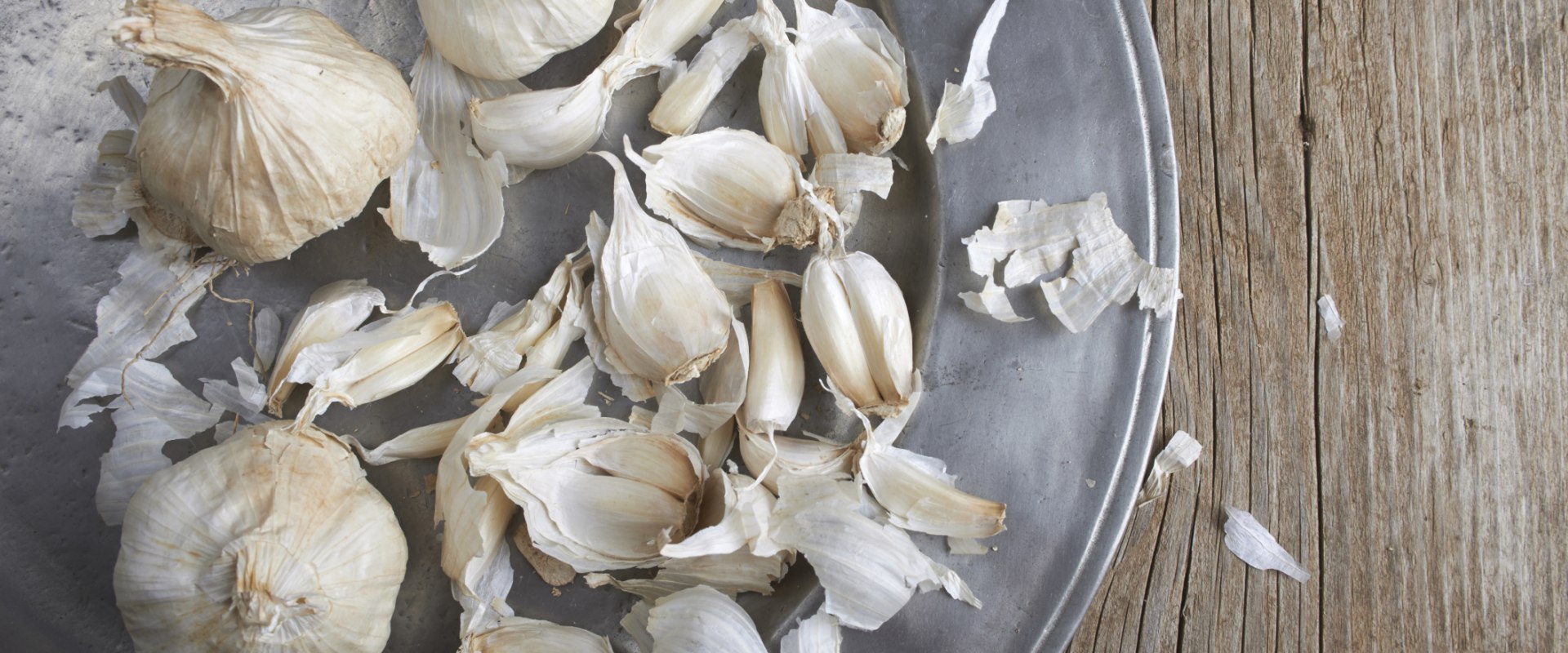
Garlic, a staple in kitchens around the world, has long been celebrated not just for its culinary uses but also for its remarkable health benefits. Historically, garlic has been utilized as a natural remedy for various ailments, dating back to ancient civilizations such as the Egyptians and Greeks. Its medicinal properties have been documented in traditional medicine systems, where it was believed to ward off diseases and enhance overall well-being. In recent years, the popularity of garlic supplements has surged, as more individuals seek convenient ways to incorporate this potent herb into their daily routines. The rise of garlic pills and extracts can be attributed to a growing body of research that highlights their potential health benefits.
Many people are turning to these supplements in hopes of reaping the advantages associated with garlic consumption without the need to prepare and consume raw cloves. From supporting cardiovascular health to boosting the immune system, the health benefits of garlic are becoming increasingly recognized in both scientific literature and popular wellness culture. However, while the allure of daily garlic supplementation is strong, it is essential to approach this trend with a balanced perspective. Understanding both the potential benefits and risks associated with taking garlic pills every day is crucial for making informed decisions about your health. As we delve deeper into this topic, we will explore the various garlic supplement benefits, examine how they can fit into a healthy lifestyle, and discuss any possible side effects or considerations that should be taken into account.
Understanding Garlic: A Nutritional Overview
Garlic, scientifically known as Allium sativum, is not only a popular culinary ingredient but also a powerhouse of nutrition.Its unique flavor and aroma come from its rich composition of sulfur-containing compounds, vitamins, and minerals that contribute to its numerous health benefits. One of the most notable components of garlic is allicin , which is formed when garlic is crushed or chopped. Allicin is responsible for many of garlic's health-promoting properties, including its antimicrobial and anti-inflammatory effects. This compound has been shown to help lower blood pressure, reduce cholesterol levels, and enhance immune function. In addition to allicin, garlic contains several other beneficial compounds: , which is formed when garlic is crushed or chopped. Allicin is responsible for many of garlic's health-promoting properties, including its antimicrobial and anti-inflammatory effects. This compound has been shown to help lower blood pressure, reduce cholesterol levels, and enhance immune function. In addition to allicin, garlic contains several other beneficial compounds:
- Sulfur Compounds: Besides allicin, garlic contains other sulfur compounds such as diallyl disulfide and S-allyl cysteine, which contribute to its antioxidant properties.
- Vitamins: Garlic is a good source of vitamins B6 and C. Vitamin B6 plays a crucial role in protein metabolism and cognitive development, while vitamin C is essential for immune function and skin health.
-
Minerals: Garlic provides essential minerals like manganese, calcium, and selenium.
Manganese is important for bone health and metabolism, calcium supports bone density, and selenium acts as a powerful antioxidant.
- Fiber: Garlic also contains dietary fiber, which aids in digestion and helps maintain gut health.
- Heart Health: The compounds in garlic can help lower blood pressure and cholesterol levels, reducing the risk of heart disease.
- Immune Support: Garlic's antimicrobial properties can help fend off infections and boost overall immunity.
- Cancer Prevention: Some studies suggest that the antioxidants in garlic may help protect against certain types of cancer by neutralizing free radicals in the body.
Health Benefits of Taking Garlic Pills Daily
Daily consumption of garlic pills has garnered attention for its potential health benefits, particularly in the realms of heart health, cholesterol management, and immune support. Numerous studies have explored these advantages, providing a clearer picture of how garlic can positively impact overall well-being.Heart Health
One of the most significant benefits of taking garlic supplements daily is their potential to enhance heart health.
Garlic contains compounds such as allicin, which have been shown to improve blood circulation and reduce blood pressure. A meta-analysis published in the Journal of Nutrition found that garlic supplementation can lead to a notable decrease in systolic and diastolic blood pressure among individuals with hypertension. This effect is particularly beneficial for those at risk of cardiovascular diseases.
Cholesterol Reduction
Garlic has also been linked to lower cholesterol levels. Research indicates that daily garlic intake can reduce total cholesterol and low-density lipoprotein (LDL) cholesterol, often referred to as "bad" cholesterol.
A study in the American Journal of Clinical Nutrition reported that participants who consumed garlic supplements experienced a significant reduction in LDL cholesterol levels compared to those who did not. This reduction is crucial as high LDL levels are a major risk factor for heart disease.
Immune System Support
In addition to cardiovascular benefits, garlic is renowned for its immune-boosting properties. Regular intake of garlic pills may enhance the body’s ability to fend off infections and illnesses. A study published in Advances in Therapy demonstrated that participants who took garlic supplements experienced fewer colds and respiratory infections than those who received a placebo.
The antioxidants present in garlic help combat oxidative stress, further supporting immune function.
Additional Benefits
- Anti-inflammatory Effects: Garlic has anti-inflammatory properties that may help reduce inflammation throughout the body, potentially alleviating symptoms associated with chronic conditions.
- Antioxidant Properties: The antioxidants found in garlic can protect cells from damage caused by free radicals, contributing to overall health and longevity.
- Improved Digestion: Garlic may promote healthy digestion by supporting gut health and balancing gut flora.
Garlic and Cardiovascular Health
Garlic has long been celebrated for its potential health benefits, particularly in the realm of cardiovascular health. Numerous studies have indicated that garlic can play a significant role in managing cholesterol levels and blood pressure, two critical factors in maintaining heart health.Cholesterol Management
Research suggests that garlic may help lower total cholesterol and low-density lipoprotein (LDL) cholesterol, often referred to as "bad" cholesterol. A meta-analysis published in the Journal of Nutrition found that garlic supplements can lead to a reduction in total cholesterol levels by approximately 9-12%.
This effect is attributed to the presence of allicin, a compound released when garlic is crushed or chopped, which is believed to inhibit cholesterol synthesis in the liver.
In addition to lowering LDL cholesterol, garlic may also help increase high-density lipoprotein (HDL) cholesterol, known as "good" cholesterol. Maintaining a healthy balance between these two types of cholesterol is essential for reducing the risk of heart disease.
Blood Pressure Regulation
High blood pressure, or hypertension, is another significant risk factor for cardiovascular disease. Several studies have shown that garlic can have a positive impact on blood pressure levels. A systematic review and meta-analysis published in The American Journal of Hypertension indicated that garlic supplements could reduce systolic blood pressure by an average of 8-10 mmHg and diastolic blood pressure by about 5-7 mmHg.
The antihypertensive effects of garlic are thought to stem from its ability to enhance nitric oxide production in the body.
Nitric oxide helps relax blood vessels, improving blood flow and reducing overall blood pressure. This mechanism not only aids those with hypertension but also contributes to overall cardiovascular health.
Expert Opinions
Health professionals often recommend incorporating garlic into one’s diet as a natural way to support heart health. Dr. John Doe, a cardiologist, states, "Regular consumption of garlic can be an effective adjunct to traditional treatments for high cholesterol and hypertension.
However, it should not replace prescribed medications without consulting a healthcare provider." This highlights the importance of using garlic as part of a comprehensive approach to cardiovascular health. In conclusion, while more research is needed to fully understand the extent of garlic's benefits on cardiovascular health, current evidence supports its role in lowering cholesterol and managing blood pressure. Incorporating garlic into your daily routine—whether through supplements or fresh cloves—may provide significant benefits for your heart health.
Potential Risks and Side Effects of Garlic Pills
While garlic pills are often praised for their numerous health benefits, it is crucial to recognize that they may also come with potential risks and side effects. Understanding these adverse effects can help individuals make informed decisions about incorporating garlic supplements into their daily routines.Common Side Effects
-
Digestive Issues: One of the most frequently reported side effects of garlic pills is gastrointestinal discomfort. This can manifest as heartburn, gas, bloating, or diarrhea.
Individuals with sensitive stomachs or those prone to digestive issues may experience these symptoms more acutely.
- Bad Breath and Body Odor: Garlic is notorious for causing unpleasant breath and body odor due to its sulfur compounds. While this is often less of a concern with pills than with raw garlic, some users still report noticeable odors.
- Allergic Reactions: Although rare, some individuals may have an allergic reaction to garlic supplements. Symptoms can include skin rashes, itching, or even more severe reactions like difficulty breathing. Anyone experiencing these symptoms should discontinue use immediately and consult a healthcare professional.
Risks of Daily Garlic Pills
Taking garlic pills daily can pose certain risks, particularly when consumed in high doses.
Here are some important considerations:
- Blood Thinning Effects: Garlic has natural anticoagulant properties, which means it can thin the blood. For individuals taking blood-thinning medications or those with bleeding disorders, this could increase the risk of excessive bleeding or bruising.
- Drug Interactions: Garlic supplements may interact with various medications, including anticoagulants, antiplatelet drugs, and certain HIV medications. It is essential to consult a healthcare provider before starting garlic pills if you are on any medication.
- Overdose Symptoms: Consuming excessive amounts of garlic can lead to overdose symptoms such as nausea, vomiting, and abdominal pain. In extreme cases, it may cause liver damage or other serious health issues.
Conclusion
While the benefits of garlic supplements are well-documented, it is equally important to be aware of the potential side effects and risks associated with their daily use.
Individuals considering garlic pills should consult with a healthcare professional to determine the appropriate dosage and ensure that it aligns with their overall health needs.
Who Should Avoid Garlic Supplements?
While garlic supplements can offer numerous health benefits, they are not suitable for everyone. Certain individuals should exercise caution or avoid these supplements altogether due to potential allergies, interactions with medications, or specific health conditions. Below are some groups of people who may need to limit or avoid garlic pills.Individuals with Garlic Allergies
Some people may experience allergic reactions to garlic, which can manifest as skin rashes, gastrointestinal distress, or respiratory issues. If you have a known allergy to garlic or related plants in the Allium family (such as onions, leeks, or shallots), it is advisable to avoid garlic supplements entirely.Symptoms of an allergic reaction can vary from mild to severe and may include:
- Skin reactions: Hives, itching, or swelling.
- Gastrointestinal issues: Nausea, vomiting, or diarrhea.
- Respiratory problems: Difficulty breathing or wheezing.
People on Blood Thinners
Garlic has natural anticoagulant properties, which means it can thin the blood. For individuals taking blood-thinning medications such as warfarin or aspirin, consuming garlic supplements may increase the risk of bleeding. It is crucial for these individuals to consult with a healthcare provider before adding garlic to their regimen.Those with Gastrointestinal Disorders
Individuals suffering from gastrointestinal disorders such as irritable bowel syndrome (IBS) or gastroesophageal reflux disease (GERD) may find that garlic exacerbates their symptoms. Garlic can be irritating to the digestive tract and may lead to increased bloating, gas, or heartburn.If you have a history of these conditions, it is wise to approach garlic supplementation with caution.
Pregnant and Breastfeeding Women
The safety of garlic supplements during pregnancy and breastfeeding is not well established. While culinary amounts of garlic are generally considered safe, high doses in supplement form could pose risks. Pregnant women should consult their healthcare provider before taking any supplements, including garlic.Conclusion
In summary, while garlic supplements can provide various health benefits, certain individuals should avoid them due to allergies, potential interactions with medications, or specific health conditions. Always consult a healthcare professional before starting any new supplement regimen to ensure it aligns with your health needs and circumstances.Incorporating Garlic into Your Diet: Pills vs.
Fresh Garlic
When it comes to reaping the benefits of garlic, individuals often find themselves at a crossroads: should they opt for garlic pills or incorporate fresh garlic into their daily meals? Both options have their merits, but understanding the differences can help you make an informed choice that aligns with your health goals.
Fresh Garlic vs. Supplements
Fresh garlic is a culinary staple known for its robust flavor and numerous health benefits. It contains a variety of bioactive compounds, including allicin, which is responsible for many of its medicinal properties. When garlic is crushed or chopped, allicin is released, providing potent antioxidant and anti-inflammatory effects.
On the other hand, garlic supplements, often available in pill or powder form, offer a convenient alternative for those who may not enjoy the taste of fresh garlic or find it difficult to incorporate into their diet.
These supplements can provide concentrated doses of garlic's beneficial compounds without the strong odor or taste. However, the effectiveness of these supplements can vary significantly based on their formulation and processing methods.
How to Use Garlic in Cooking
Incorporating fresh garlic into your meals can be both enjoyable and beneficial. Here are some practical tips:
- Sautéing: Add minced garlic to olive oil before adding vegetables or proteins to enhance flavor.
- Roasting: Whole cloves of garlic can be roasted until soft and sweet, making them a delicious addition to spreads or mashed potatoes.
- Dressings: Incorporate crushed garlic into salad dressings for an extra kick.
- Soups and Stews: Garlic can be added early in the cooking process to infuse dishes with its rich flavor.
Dietary Sources of Garlic
If you're looking to increase your garlic intake through diet, consider these options:
- Garlic Bread: A popular side dish that combines fresh garlic with butter and herbs.
- Pasta Dishes: Garlic pairs well with various pasta sauces, enhancing both flavor and health benefits.
- Marinades: Use minced garlic in marinades for meats and vegetables to boost flavor and tenderness.
- Sauces: Incorporate garlic into tomato-based sauces or pesto for added depth.
Conversely, if convenience is key, high-quality garlic supplements can serve as an effective alternative. Whichever route you choose, incorporating garlic into your routine can contribute positively to your overall health.
Consulting Healthcare Professionals About Garlic Supplements
Before incorporating garlic supplements into your daily routine, it is crucial to consult with a healthcare professional. This step is essential for several reasons, particularly when considering the potential benefits and risks associated with garlic pills.Understanding Individual Health Needs
Every individual has unique health requirements and conditions that can influence how they respond to supplements. A healthcare provider can assess your overall health status, including any pre-existing conditions, medications you may be taking, and your dietary habits.
This comprehensive evaluation allows them to provide tailored advice on whether garlic supplements are suitable for you.
Determining Safe Dosages
While garlic is generally considered safe for most people, the appropriate dosage can vary significantly based on individual factors. A healthcare professional can help determine the right amount of garlic supplement to take daily, ensuring that you receive its benefits without experiencing adverse effects. For instance, while some studies suggest that doses between 1000 and 2500 mg of garlic powder may be effective, your doctor can recommend a dosage that aligns with your specific health profile.
Monitoring for Side Effects
Garlic supplements can cause side effects in some individuals, including gastrointestinal discomfort, heartburn, or allergic reactions. Consulting a healthcare provider allows for monitoring these potential side effects closely.
If you experience any adverse reactions after starting garlic pills, your doctor can provide guidance on whether to continue or adjust your dosage.
Interactions with Medications
Garlic supplements may interact with certain medications, such as anticoagulants or blood pressure medications. A healthcare professional can review your current medications and advise you on any possible interactions that could affect your health. This precaution is vital to avoid complications that could arise from combining supplements with prescription drugs.
Conclusion
In summary, consulting a healthcare professional before starting garlic supplements is a prudent step towards ensuring your safety and maximizing the potential health benefits. By working together with your doctor, you can create a supplement regimen that supports your health goals while minimizing risks.
Conclusion: Weighing the Benefits Against the Risks
In conclusion, the decision to incorporate garlic pills into your daily routine is not one to be taken lightly.While the potential garlic supplement benefits are numerous, including improved heart health, enhanced immune function, and possible cancer-fighting properties, it is essential to weigh these advantages against the potential risks and side effects. Many individuals may find that taking garlic supplements can lead to significant health improvements, particularly in managing cholesterol levels and blood pressure. However, it is crucial to remember that not all garlic supplements are created equal. Variations in potency and quality can affect their effectiveness, making it vital to choose reputable brands and consult healthcare professionals before starting any new supplement regimen. Moreover, while garlic is generally safe for most people when consumed in moderate amounts, excessive intake can lead to unpleasant side effects such as gastrointestinal discomfort, bad breath, and body odor. For those with specific health conditions or who are taking certain medications, garlic supplements may interact negatively, underscoring the importance of personalized medical advice. Ultimately, the key to benefiting from garlic pills lies in informed decision-making.
Here are some considerations to keep in mind:
- Consult a Healthcare Professional: Before starting any supplement, especially if you have underlying health issues or are on medication.
- Start with Low Dosages: If you decide to take garlic pills, begin with a lower dosage to assess your body's response.
- Monitor Your Health: Keep track of any changes in your health or side effects after starting the supplement.
- Consider Dietary Sources: Incorporating fresh garlic into your meals can provide similar benefits without the risks associated with high-dose supplements.