The practical guide to garlic supplements
The Surprising Health Benefits of Garlic: Insights from a Nutritionist
Discover the surprising health benefits of garlic, including immune support and heart health, as explained by a nutritionist.

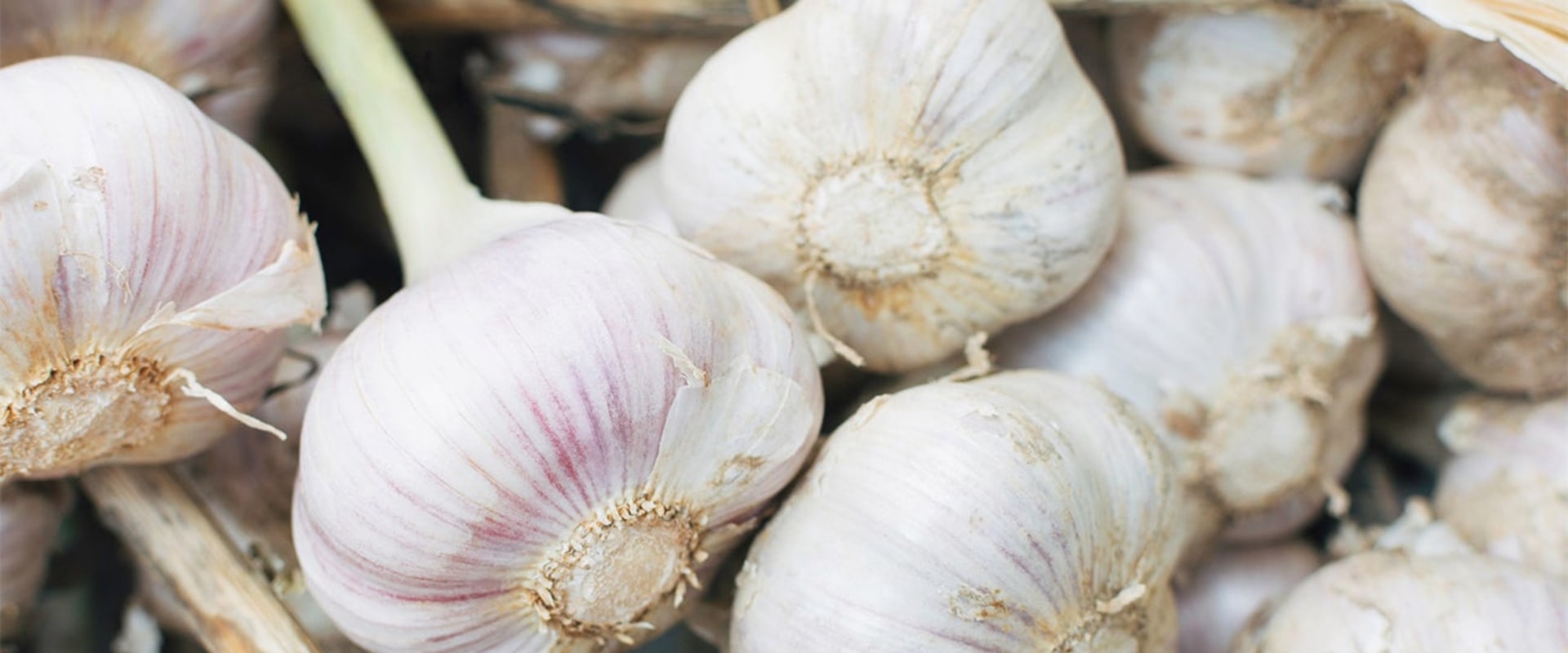
Garlic, a staple in kitchens around the world, is much more than just a flavor enhancer. This humble bulb has been revered for centuries not only for its culinary uses but also for its remarkable health benefits. As a nutritionist, I have witnessed firsthand how incorporating garlic into one’s diet can lead to significant improvements in overall health. The nutritional value of garlic is impressive, packed with essential vitamins and minerals that contribute to its status as a superfood. One of the most compelling aspects of garlic is its rich composition of bioactive compounds, particularly allicin , which is responsible for many of its health-promoting properties.
Allicin is released when garlic is crushed or chopped, and it has been shown to possess potent antioxidant and anti-inflammatory effects. These properties make garlic an excellent ally in the fight against various ailments, from cardiovascular diseases to infections. Furthermore, garlic is low in calories yet high in nutrients, making it an ideal addition to any diet. In recent years, the popularity of garlic supplements has surged as more people seek convenient ways to harness its health benefits without the strong taste or odor associated with raw garlic. These supplements often concentrate the beneficial compounds found in garlic, providing an easy way to support immune function, lower blood pressure, and improve heart health.
As we delve deeper into the myriad benefits of garlic throughout this article, it becomes clear that this powerful food deserves a prominent place in our diets. Whether consumed raw, cooked, or in supplement form, garlic offers a wealth of health benefits that can enhance our well-being. Its unique combination of nutrients and compounds not only supports physical health but also contributes to overall vitality. Join me as we explore the fascinating world of garlic and uncover how this simple ingredient can transform your health.
Understanding Garlic: A Nutritional Breakdown
Garlic, scientifically known as Allium sativum, is not just a flavorful addition to meals; it is a powerhouse of nutrients and bioactive compounds that contribute to its impressive health benefits. Understanding the nutritional breakdown of garlic is essential for appreciating how it can enhance overall health. One of the most notable components of garlic is allicin , a sulfur-containing compound that is responsible for its distinctive aroma and many of its health-promoting properties.Allicin is formed when garlic is crushed or chopped, activating its potential health benefits. This compound exhibits strong antimicrobial and anti-inflammatory effects, making it a valuable ally in fighting infections and reducing inflammation in the body. In addition to allicin, garlic contains a variety of other beneficial compounds:
- Sulfur Compounds: Garlic is rich in sulfur compounds, including diallyl disulfide and diallyl trisulfide, which contribute to its antioxidant properties and support cardiovascular health.
- Vitamins: Garlic provides essential vitamins such as vitamin C, which plays a crucial role in immune function and skin health, and several B vitamins, including B6 and thiamine, which are vital for energy metabolism.
- Minerals: Garlic contains important minerals like manganese, calcium, and selenium. Manganese is essential for bone health and metabolism, while selenium acts as a powerful antioxidant that helps protect cells from damage.
- Flavonoids: These plant compounds found in garlic have antioxidant properties that can help reduce oxidative stress in the body.
By incorporating garlic into your diet—whether raw or cooked—you can harness these remarkable garlic supplement benefits. In summary, the nutritional profile of garlic is rich and diverse, with each component playing a significant role in its overall health benefits. Understanding these elements allows individuals to appreciate the full potential of garlic as a natural supplement for enhancing well-being.
The Immune-Boosting Properties of Garlic
Garlic has long been celebrated for its remarkable ability to enhance the immune system, making it a staple in many traditional medicine practices. The active compounds in garlic, particularly allicin , are believed to play a crucial role in boosting immunity and fighting off infections. Research indicates that garlic can stimulate the activity of white blood cells, which are essential for combating pathogens. A study published in the Journal of Immunology found that garlic extract significantly increased the number of immune cells, enhancing the body’s ability to fend off illnesses.This immune-boosting effect is particularly beneficial during cold and flu season. In addition to its role in strengthening the immune response, garlic has been shown to reduce the severity and duration of colds. A clinical trial involving participants who took garlic supplements demonstrated a marked decrease in the incidence of colds compared to those who received a placebo. Those who did catch a cold experienced milder symptoms and shorter recovery times, highlighting garlic's potential as a natural remedy. Moreover, garlic's natural antibiotic properties make it an effective tool against various infections. Its antimicrobial effects have been documented in numerous studies, showing that garlic can inhibit the growth of bacteria and viruses.
This makes it not only a preventive measure but also a treatment option for those already suffering from infections. For individuals looking to incorporate garlic into their health regimen, supplements are available that concentrate its beneficial compounds without the strong taste or odor associated with raw garlic. These supplements can provide a convenient way to harness the immune system benefits of garlic, especially for those who may not enjoy its flavor. In summary, garlic is more than just a culinary ingredient; it is a powerful ally in promoting immune health. Whether consumed raw, cooked, or in supplement form, incorporating garlic into your diet can help fortify your body’s defenses against common illnesses and infections.
Garlic and Heart Health: A Comprehensive Review
Garlic has long been celebrated not just for its culinary uses but also for its remarkable cardiovascular benefitscardiovascular benefits. Numerous studies have highlighted how this potent herb can play a significant role in promoting heart health, particularly in managing blood pressure and cholesterol levels. One of the most compelling aspects of garlic's impact on heart health is its ability to lower blood pressure.A meta-analysis published in the journal Hypertension found that garlic supplements can lead to a significant reduction in both systolic and diastolic blood pressure among individuals with hypertension. The active compound in garlic, allicin, is believed to be responsible for this effect. Allicin helps relax blood vessels, improving blood flow and reducing the strain on the heart. In addition to its effects on blood pressure, garlic has also been shown to positively influence cholesterol levels. Research indicates that regular consumption of garlic can lead to a decrease in total cholesterol and low-density lipoprotein (LDL) cholesterol, often referred to as "bad" cholesterol.
A study published in the Journal of Nutrition demonstrated that participants who consumed garlic extract experienced a notable reduction in LDL cholesterol levels after just a few months. The cardiovascular benefits of garlic extend beyond just blood pressure and cholesterol management. Garlic is rich in antioxidants, which help combat oxidative stress—a key factor in heart disease. By reducing oxidative damage, garlic may help protect the heart and blood vessels from inflammation and plaque buildup. Moreover, garlic has been linked to improved endothelial function. The endothelium is a thin layer of cells lining the blood vessels, and its health is crucial for maintaining proper circulation.
A study published in The American Journal of Clinical Nutrition found that garlic supplementation improved endothelial function in individuals with cardiovascular risk factors. Incorporating garlic into your diet can be simple and delicious. Whether you choose to consume it raw, cooked, or as a supplement, the potential heart health benefits are substantial. However, it's essential to consult with a healthcare professional before making any significant dietary changes, especially if you have existing health conditions or are taking medications. In summary, the evidence supporting the cardiovascular benefits of garlic is robust. From lowering blood pressure to improving cholesterol levels and enhancing endothelial function, garlic stands out as a natural ally for heart health.
Embracing this powerful herb can be a proactive step towards maintaining a healthy heart.
Garlic's Role in Reducing Inflammation and Oxidative Stress
Garlic has long been celebrated not just for its culinary uses but also for its remarkable health benefits, particularly in the realm of inflammation and oxidative stress. Chronic inflammation is a key contributor to various diseases, including heart disease, diabetes, and cancer. Understanding how garlic can mitigate these issues is essential for anyone looking to enhance their overall health. One of the primary compounds in garlic, allicin , is responsible for many of its health-promoting properties. Allicin is formed when garlic is crushed or chopped, releasing enzymes that convert alliin into allicin.This compound exhibits potent anti-inflammatory effects by inhibiting the production of pro-inflammatory cytokines, which are signaling molecules that promote inflammation in the body. Research has shown that garlic can significantly reduce markers of inflammation. For instance, a study published in the Journal of Nutrition found that participants who consumed garlic supplements experienced a notable decrease in inflammatory markers such as C-reactive protein (CRP) and interleukin-6 (IL-6). These findings suggest that incorporating garlic into your diet may help lower inflammation levels and reduce the risk of chronic diseases. In addition to its anti-inflammatory properties, garlic also plays a crucial role in combating oxidative stress. Oxidative stress occurs when there is an imbalance between free radicals and antioxidants in the body, leading to cellular damage.
Garlic is rich in antioxidants, which help neutralize free radicals and protect cells from oxidative damage. The sulfur compounds found in garlic, including diallyl sulfide and s-allyl cysteine, have been shown to enhance the body’s antioxidant defenses. The implications of these benefits are profound. By reducing inflammation and oxidative stress, garlic may help lower the risk of developing chronic conditions such as cardiovascular disease, neurodegenerative disorders, and certain types of cancer. Furthermore, garlic supplements can be an effective way to harness these benefits without having to consume large amounts of raw or cooked garlic. In conclusion, the anti-inflammatory and antioxidant properties of garlic make it a powerful ally in promoting health and preventing disease.
Whether consumed as a supplement or incorporated into meals, garlic can play a significant role in maintaining a balanced inflammatory response and protecting against oxidative stress.
Garlic Supplements vs. Raw Garlic: Which is More Effective?
When it comes to harnessing the health benefits of garlic, a common question arises: is it better to consume raw garlic or opt for garlic supplements? Both forms have their unique advantages and potential drawbacks, making it essential to understand how they compare in terms of effectiveness and health benefits.Raw Garlic: Nature's Powerhouse
- Rich in Allicin: Raw garlic is renowned for its high allicin content, a compound responsible for many of its health benefits. Allicin is most potent when garlic is crushed or chopped, allowing the enzyme alliinase to convert alliin into allicin.
- Natural Nutrients: In addition to allicin, raw garlic contains a variety of vitamins and minerals, including vitamin C, vitamin B6, manganese, and selenium. These nutrients contribute to overall health and well-being.
- Antioxidant Properties: The antioxidants found in raw garlic help combat oxidative stress in the body, potentially reducing the risk of chronic diseases.
Garlic Supplements: Convenience and Concentration
-
Standardized Dosages: Garlic supplements often provide a standardized dose of active compounds, making it easier to ensure consistent intake.
This can be particularly beneficial for individuals looking to target specific health issues.
- No Strong Odor: For those who find the strong smell of raw garlic off-putting, supplements offer a more palatable alternative without compromising on health benefits.
- Potentially Higher Concentration: Some supplements are designed to concentrate specific beneficial compounds, such as allicin or ajoene, which may enhance their effectiveness in certain contexts.
Which is More Effective?
The effectiveness of garlic—whether raw or in supplement form—largely depends on individual health goals and preferences. For those seeking the full spectrum of nutrients and compounds found in garlic, consuming it raw may be the best option. However, if convenience and precise dosing are priorities, garlic supplements can be an excellent choice.
Maximizing Health Benefits
To maximize the health benefits of garlic, consider the following tips:
- Crush or chop raw garlic: This activates allicin and enhances its bioavailability.
- Combine with healthy fats: Consuming garlic with healthy fats (like olive oil) can improve absorption.
- Consult with a healthcare provider: Before starting any supplement regimen, it's wise to discuss your plans with a healthcare professional to ensure safety and efficacy based on your individual health needs.
Potential Side Effects and Considerations When Using Garlic
While garlic is widely celebrated for its numerous health benefits, it is essential to be aware of potential side effects and considerations when incorporating it into your diet or supplement regimen.Understanding these factors can help you make informed decisions about your health.
Side Effects of Garlic Supplements
- Digestive Issues: Some individuals may experience gastrointestinal discomfort, including bloating, gas, or diarrhea, particularly when consuming garlic in large amounts or as a concentrated supplement.
- Allergic Reactions: Although rare, some people may have an allergy to garlic. Symptoms can include skin rashes, itching, or even more severe reactions like difficulty breathing.
- Bad Breath and Body Odor: Garlic is notorious for causing halitosis (bad breath) and can also lead to a noticeable body odor due to its sulfur compounds.
- Heartburn: For some, garlic can exacerbate heartburn or acid reflux symptoms, especially when consumed raw.
Precautions with Garlic Consumption
- Medication Interactions: Garlic supplements can interact with certain medications, particularly anticoagulants (blood thinners) like warfarin. This interaction may increase the risk of bleeding. Always consult your healthcare provider if you are on medication.
- Surgery Considerations: Due to its blood-thinning properties, it is advisable to stop taking garlic supplements at least two weeks before any scheduled surgery to minimize bleeding risks.
- Pregnancy and Breastfeeding: Pregnant or breastfeeding women should consult their healthcare provider before using garlic supplements, as high doses may not be safe.
Who Should Avoid Garlic?
- Individuals with Allergies: Those who have a known allergy to garlic or related plants (like onions) should avoid garlic in all forms.
- People with Certain Medical Conditions: Individuals with conditions such as gastroesophageal reflux disease (GERD) or irritable bowel syndrome (IBS) may find that garlic exacerbates their symptoms and should limit their intake.
Consulting with a healthcare professional before starting any new supplement regimen is always recommended. They can provide personalized advice based on your health history and current medications, ensuring that you reap the benefits of garlic safely.
Incorporating Garlic into Your Diet: Tips and Recipes
Incorporating garlic into your daily meals can be both enjoyable and beneficial for your health. This versatile ingredient can enhance the flavor of a variety of dishes while providing numerous health benefits. Here are some practical tips and delicious recipes to help you make the most of garlic in your cooking.How to Use Garlic in Cooking
Garlic can be used in many forms, including fresh, roasted, or as a powder.Here are some tips on how to incorporate it effectively:
- Fresh Garlic: Peel and chop or mince fresh garlic cloves to release their natural oils and flavor. Add them to sautéed vegetables, marinades, or dressings.
- Roasted Garlic: Roasting garlic mellows its flavor and adds a sweet, nutty taste. Simply wrap whole bulbs in foil and roast them in the oven until soft. Squeeze the cloves out and spread them on bread or mix them into mashed potatoes.
-
Garlic Powder: This is a convenient option for seasoning dishes quickly.
Use it in spice blends, soups, or stews for a hint of garlic flavor without the prep work.
Simple Recipes Featuring Garlic
Here are a few easy recipes that highlight garlic's versatility:-
Garlic Butter Shrimp:
- Ingredients: 1 lb shrimp, 4 cloves minced garlic, 4 tbsp butter, lemon juice, parsley.
- Instructions: Melt butter in a skillet over medium heat. Add garlic and sauté until fragrant. Add shrimp and cook until pink. Finish with lemon juice and parsley.
-
Garlic Roasted Vegetables:
- Ingredients: Your choice of vegetables (carrots, bell peppers, zucchini), 4 cloves minced garlic, olive oil, salt, pepper.
- Instructions: Toss vegetables with olive oil, garlic, salt, and pepper.
Roast at 400°F for 25-30 minutes until tender.
-
Garlic Hummus:
- Ingredients: 1 can chickpeas, 2 cloves garlic, 2 tbsp tahini, lemon juice, olive oil.
- Instructions: Blend all ingredients until smooth. Adjust seasoning to taste and serve with pita or veggies.
Frequently Asked Questions About Garlic Supplements
Garlic supplements have gained popularity in recent years, but many people still have questions about their effectiveness and safety. Here, we address some of the most frequently asked questions regarding garlic supplements to help clarify any misconceptions and provide evidence-based insights.What are the main benefits of garlic supplements?
Garlic supplements are primarily known for their potential health benefits, which include:- Cardiovascular health: Garlic has been shown to help lower blood pressure and cholesterol levels, contributing to overall heart health.
- Immune support: The antioxidant properties of garlic can enhance immune function, helping the body fend off infections.
- Anti-inflammatory effects: Garlic contains compounds that may reduce inflammation in the body, potentially alleviating symptoms of chronic conditions.
- Antimicrobial properties: Garlic has natural antibiotic effects that can help combat various pathogens.
Are garlic supplements as effective as fresh garlic?
While fresh garlic is rich in beneficial compounds, garlic supplements can also provide significant health benefits.However, the effectiveness may vary based on the type of supplement and its formulation. Some supplements are standardized to contain specific amounts of active ingredients like allicin, which is responsible for many of garlic's health benefits. It's essential to choose high-quality supplements from reputable brands to ensure potency and efficacy.
Can garlic supplements cause side effects?
Although garlic is generally safe for most people, some may experience side effects from supplements. Common side effects include:- Digestive issues such as bloating or gas
- Heartburn or acid reflux
- Allergic reactions in sensitive individuals
Are there any misconceptions about garlic supplements?
One common misconception is that all garlic supplements are created equal.In reality, the quality and concentration of active ingredients can vary significantly between products. Additionally, some people believe that consuming large amounts of garlic will lead to better health outcomes; however, moderation is key, as excessive intake can lead to adverse effects. In conclusion, while garlic supplements offer numerous potential health benefits, it’s crucial to approach them with informed caution. Always consider consulting a healthcare provider for personalized advice tailored to your specific health needs.
Conclusion: Embracing Garlic for Better Health
In summary, the myriad health benefits of garlic are both impressive and well-documented. From its ancient roots as a natural remedy to its modern-day recognition as a powerful supplement, garlic has proven itself to be a valuable addition to our diets.As we have explored, garlic is not just a flavorful ingredient; it is a potent source of nutrients and compounds that can significantly enhance our overall health. One of the most compelling reasons to incorporate garlic into your daily routine is its ability to boost the immune system. The presence of allicin and other sulfur compounds in garlic helps the body fend off infections and diseases, making it an excellent ally during cold and flu season. Additionally, garlic's antioxidant properties play a crucial role in combating oxidative stress, which is linked to various chronic diseases. Moreover, the cardiovascular benefits of garlic cannot be overstated. Research has shown that regular consumption of garlic can help lower blood pressure and improve cholesterol levels, thereby reducing the risk of heart disease.
This makes it an essential component for anyone looking to maintain or improve their heart health. Furthermore, garlic's potential role in enhancing athletic performance and preventing osteoporosis adds another layer to its impressive profile. Athletes may find that garlic supplements can aid in recovery and endurance, while its bone-strengthening properties are particularly beneficial for those concerned about maintaining bone density as they age. To maximize the benefits of garlic supplements, consider incorporating both raw and cooked forms into your meals. While raw garlic offers potent health benefits due to its high allicin content, cooked garlic still retains many of its advantageous properties. Experimenting with different recipes can make it easier to enjoy this superfood regularly. In conclusion, embracing garlic as part of your dietary regimen is a simple yet effective way to enhance your health.
Whether you choose to consume it raw, cooked, or in supplement form, the positive effects on your immune system, heart health, and overall well-being are undeniable. So go ahead—add some garlic to your next meal and take a step towards better health!.