The practical guide to garlic supplements
The Surprising Benefits of Garlic: Unlocking the Power of Garlic Supplements
Unlock the health benefits of garlic supplements, from boosting immunity to supporting heart health. Learn how garlic can enhance your well-being.

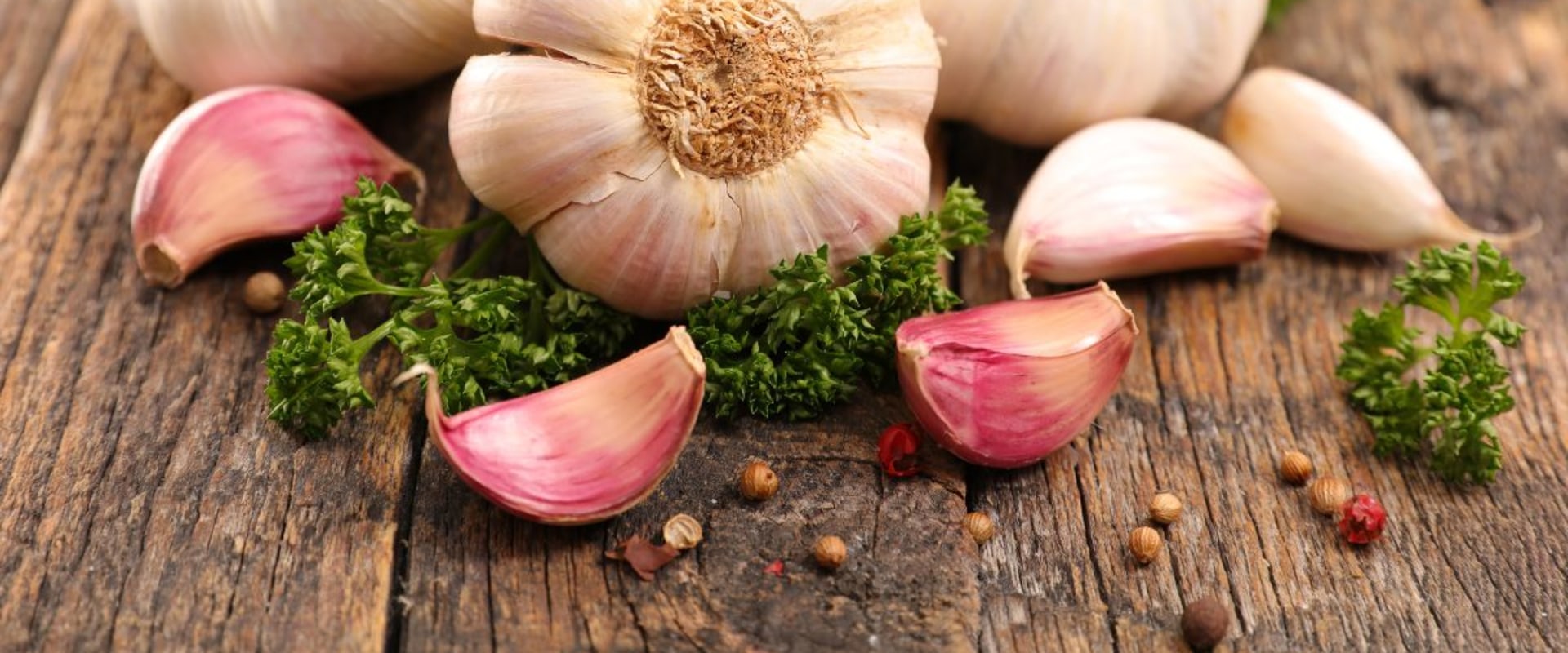
Garlic, a humble bulb with a pungent aroma, has been revered for centuries not just as a culinary staple but also as a potent medicinal herb. Its historical roots trace back to ancient civilizations, where it was utilized for its remarkable health benefits. From the Egyptians who used it to enhance physical strength and endurance to the Greeks and Romans who valued it for its therapeutic properties, garlic has long been recognized as a superfood. Today, modern science continues to uncover the myriad ways in which garlic can contribute to our health, particularly through its use in supplement form. The health benefits of garlic are extensive and well-documented.
Rich in essential nutrients, garlic is packed with vitamins C and B6, manganese, and selenium, making it a nutritional powerhouse. However, what truly sets garlic apart are its bioactive compounds, particularly allicin, which is released when garlic is crushed or chopped. This compound is known for its antimicrobial and anti-inflammatory properties, which can help combat infections and reduce inflammation in the body. As we delve deeper into the garlic supplement benefits, it becomes clear that incorporating garlic into our daily routine can lead to significant improvements in overall health. In recent years, the popularity of garlic supplements has surged as more people seek convenient ways to harness its health benefits without the strong taste or odor associated with raw garlic.
These supplements come in various forms, including capsules, powders, and extracts, allowing individuals to choose the option that best fits their lifestyle. Whether you are looking to boost your immune system, improve heart health, or even support weight management, garlic supplements offer a versatile solution that can easily be integrated into any wellness regimen.
Nutritional Profile of Garlic
Garlic is not only a flavorful addition to many dishes but also a powerhouse of essential nutrients that contribute to its numerous health benefits. Understanding the nutritional value of garlic is key to appreciating how it can enhance your overall well-being. One of the standout features of garlic is its rich content of vitamins and minerals. Here are some of the most notable nutrients found in garlic:- Vitamin C: Garlic is a good source of vitamin C, an antioxidant that helps protect the body from oxidative stress and supports the immune system.
- B Vitamins: Garlic contains several B vitamins, including B6 (pyridoxine) and B1 (thiamine), which play crucial roles in energy metabolism and brain function.
-
Manganese: This mineral is essential for bone health and metabolism.
Garlic provides a significant amount of manganese, which aids in the formation of connective tissue and bones.
- Selenium: Garlic is a source of selenium, an important trace mineral that contributes to antioxidant defense and thyroid function.
- Calcium: While not as high as dairy products, garlic does contain calcium, which is vital for maintaining strong bones and teeth.
- Iron: Garlic provides iron, which is necessary for the production of hemoglobin and overall energy levels.
Incorporating garlic into your diet can provide you with essential nutrients while also delivering powerful bioactive compounds that promote wellness.
The Immune-Boosting Properties of Garlic
Garlic has long been celebrated for its remarkable ability to enhance the immune system, making it a staple in both traditional and modern medicine. The key to garlic's immune-boosting properties lies in its rich composition of sulfur-containing compounds, particularly allicin , which is released when garlic is crushed or chopped. This potent compound not only gives garlic its distinctive aroma but also plays a crucial role in fighting off pathogens. Research has shown that garlic can significantly enhance the body’s immune response. A study published in the Journal of Immunology found that garlic extract can stimulate the activity of white blood cells, which are essential for combating infections.These cells act as the body’s first line of defense against viruses and bacteria, and their increased activity can lead to a more robust immune response. Moreover, garlic exhibits impressive antiviral properties. A study conducted by researchers at the University of Florida demonstrated that allicin can inhibit the replication of certain viruses, including the common cold virus. This suggests that incorporating garlic into your diet may help reduce the duration and severity of colds and other viral infections. In addition to its antiviral effects, garlic also possesses strong antibacterial properties. Research published in the Journal of Antimicrobial Chemotherapy highlighted that garlic extract is effective against various strains of bacteria, including Escherichia coli and Staphylococcus aureus.
This antibacterial action can help prevent infections and support overall health. To maximize the immune-boosting benefits of garlic, it is recommended to consume it raw or lightly cooked. Cooking at high temperatures can diminish some of its beneficial compounds. For those who find it challenging to incorporate raw garlic into their meals, garlic supplements are an excellent alternative. These supplements often contain concentrated forms of allicin and other active compounds, providing a convenient way to enhance your immune system. In conclusion, the immune-boosting properties of garlic are well-supported by scientific research.
Its ability to enhance white blood cell activity, coupled with its antiviral and antibacterial effects, makes it a powerful ally in maintaining a healthy immune system. Whether consumed raw, cooked, or in supplement form, garlic is a simple yet effective way to bolster your body's defenses against illness.
Garlic and Heart Health: A Natural Ally
Garlic has long been celebrated not just for its culinary uses but also for its remarkable heart health benefits. Numerous studies have highlighted the positive impact of garlic on cardiovascular health, making it a natural ally in the fight against heart disease. One of the most significant ways garlic contributes to heart health is through its ability to lower blood pressure. Research published in the journal Hypertension found that garlic supplements can lead to a notable reduction in both systolic and diastolic blood pressure.This effect is primarily attributed to allicin, a compound released when garlic is crushed or chopped. Allicin helps relax blood vessels, improving blood flow and reducing the strain on the heart. In addition to lowering blood pressure, garlic has been shown to positively influence cholesterol levels. A meta-analysis in the Journal of Nutrition revealed that garlic supplementation can significantly reduce total cholesterol and LDL (low-density lipoprotein) cholesterol levels, often referred to as "bad" cholesterol. By lowering these levels, garlic helps reduce the risk of plaque buildup in arteries, which is a major contributor to heart disease. Moreover, garlic's antioxidant properties play a crucial role in protecting the cardiovascular system.
Antioxidants help combat oxidative stress, which can lead to inflammation and damage to blood vessels. By incorporating garlic into your diet, you may enhance your body's ability to fight off these harmful effects. For those concerned about their heart health, adding garlic to meals or considering garlic supplements could be beneficial. However, it's essential to consult with a healthcare provider before starting any new supplement regimen, especially for individuals on blood pressure or cholesterol medications. In summary, the evidence supporting the cardiovascular benefits of garlic is compelling. From lowering blood pressure and cholesterol levels to providing antioxidant protection, garlic stands out as a powerful natural remedy for maintaining heart health.
Garlic's Role in Cancer Prevention
Garlic has long been celebrated not only for its culinary uses but also for its potential health benefits, particularly in the realm of cancer prevention.Numerous studies have suggested that garlic may play a significant role in reducing the risk of various types of cancer, thanks to its rich array of bioactive compounds. One of the most notable components of garlic is allicin , which is formed when garlic is crushed or chopped. Allicin is known for its potent antioxidant properties, which help combat oxidative stress in the body—a key factor in cancer development. By neutralizing free radicals, allicin may help protect cells from damage that can lead to cancerous changes. In addition to allicin, garlic contains other sulfur-containing compounds such as diallyl sulfide and diallyl disulfide. Research indicates that these compounds can inhibit the growth of cancer cells and induce apoptosis, or programmed cell death, in malignant cells.
For instance, studies have shown that diallyl sulfide can suppress the proliferation of breast and colon cancer cells, making it a promising candidate for further research in cancer therapy. Moreover, garlic's anticancer properties extend beyond just cell growth inhibition. It has been observed that regular consumption of garlic may enhance the body’s immune response, allowing it to better identify and eliminate cancer cells. This immune-boosting effect is particularly important as a strong immune system can significantly reduce the risk of developing various cancers. Several epidemiological studies have also linked high garlic intake with a lower incidence of certain cancers. For example, research published in the For instance, studies have shown that diallyl sulfide can suppress the proliferation of breast and colon cancer cells, making it a promising candidate for further research in cancer therapy. Moreover, garlic's anticancer properties extend beyond just cell growth inhibition. It has been observed that regular consumption of garlic may enhance the body’s immune response, allowing it to better identify and eliminate cancer cells. This immune-boosting effect is particularly important as a strong immune system can significantly reduce the risk of developing various cancers. Several epidemiological studies have also linked high garlic intake with a lower incidence of certain cancers. For example, research published in the American Journal of Clinical Nutrition found that individuals who consumed garlic regularly had a reduced risk of developing colorectal and stomach cancers.
These findings suggest that incorporating garlic into one’s diet could be a simple yet effective strategy for cancer prevention. For those who may not enjoy the taste or smell of raw garlic, garlic supplements are available and can provide similar benefits. Garlic supplements often contain concentrated forms of garlic extract, which can deliver higher doses of its beneficial compounds without the strong flavor associated with fresh garlic. However, it is essential to choose high-quality supplements to ensure efficacy. In conclusion, while more research is needed to fully understand the mechanisms behind garlic's anticancer properties, current evidence supports its role as a valuable ally in cancer prevention. By incorporating garlic into your diet—whether through fresh cloves or supplements—you may be taking a proactive step towards reducing your cancer risk.
Garlic for Digestive Health
Garlic is not only a culinary staple but also a powerful ally for digestive health.Its unique composition of compounds, particularly allicin, plays a significant role in promoting a healthy gut environment. One of the primary ways garlic aids digestion is by acting as a prebiotic, which nourishes beneficial gut bacteria. Prebiotics are non-digestible food components that stimulate the growth and activity of beneficial microorganisms in the intestines. By enhancing the population of good bacteria, garlic helps maintain a balanced gut microbiome, which is essential for optimal digestive function. A healthy gut microbiome can improve nutrient absorption, reduce inflammation, and even enhance immune function. Moreover, garlic possesses antimicrobial properties that can help combat harmful bacteria and pathogens in the digestive tract.
This action can be particularly beneficial in preventing digestive disorders such as irritable bowel syndrome (IBS) , bloating, and gas. By keeping harmful bacteria in check, garlic contributes to a more harmonious digestive process. In addition to its prebiotic and antimicrobial effects, garlic has been shown to stimulate the production of digestive enzymes. These enzymes are crucial for breaking down food and facilitating nutrient absorption. When consumed regularly, garlic can enhance overall digestive efficiency, making it easier for the body to extract essential nutrients from food. For those who may experience digestive discomfort after consuming garlic, it is advisable to start with small amounts and gradually increase intake.
Cooking garlic can also help mitigate its strong effects while still retaining many of its health benefits. Incorporating garlic into your diet can be as simple as adding it to soups, stews, or stir-fries. For those who prefer a more concentrated form, garlic supplements are available and can provide similar benefits without the strong taste or odor associated with raw garlic. In summary, the digestive benefits of garlic are multifaceted. From promoting healthy gut bacteria to enhancing enzyme production and combating harmful pathogens, garlic serves as a natural remedy for maintaining digestive health. Regular consumption can lead to improved digestion and overall well-being.
Skin Benefits of Garlic: Nature's Healer
Garlic, often celebrated for its culinary uses and health benefits, also holds remarkable potential for skin health.Its natural properties make it a valuable ally in treating various skin conditions, thanks to its antimicrobial, antifungal, and anti-inflammatory effects. One of the most notable garlic skin benefits is its ability to combat infections. The active compound allicin, which is released when garlic is crushed or chopped, possesses potent antibacterial and antifungal properties. This makes garlic an effective treatment for conditions such as:
- Acne: Garlic can help reduce acne breakouts due to its antibacterial properties. Applying a diluted garlic paste to affected areas may help clear up blemishes and prevent future outbreaks.
-
Warts: The antiviral properties of garlic can assist in treating warts.
Regular application of garlic juice or a garlic-infused oil may help diminish the appearance of warts over time.
- Fungal Infections: Conditions like athlete's foot or ringworm can be alleviated with topical applications of garlic. Its antifungal properties can help eliminate the fungi responsible for these infections.
The anti-inflammatory effects can soothe irritated skin and reduce redness and itching. For those suffering from these chronic conditions, incorporating garlic into their skincare routine may provide significant relief. For individuals who prefer not to apply raw garlic directly to their skin due to its strong odor or potential irritation, there are alternative methods. Garlic oil, which can be made by infusing crushed garlic in a carrier oil like olive or coconut oil, offers a milder option that retains many of the beneficial properties of raw garlic. In conclusion, the topical uses of garlic extend beyond mere folklore; they are backed by science and centuries of traditional use. Whether you are dealing with acne, warts, fungal infections, or other skin ailments, incorporating garlic into your skincare regimen could provide a natural solution that promotes healthier skin.
How to Incorporate Garlic Supplements into Your Diet
Incorporating garlic supplements into your daily routine can be a straightforward process, allowing you to reap the numerous garlic supplement benefits without the strong taste or odor associated with fresh garlic.Here are some effective ways to include these supplements in your diet:
1.Choose the Right Form of Garlic Supplement
Garlic supplements come in various forms, each offering unique advantages:- Garlic Capsules: These are one of the most popular forms, providing a concentrated dose of garlic without the pungent smell. They are easy to swallow and can be taken with water.
- Garlic Oil: This form can be used both as a supplement and a cooking ingredient. Garlic oil is often available in softgel capsules or liquid form, making it versatile for culinary uses.
- Garlic Extract: Typically more potent than whole garlic, extracts are available in liquid or capsule form. They are ideal for those looking for maximum health benefits.
-
Garlic Powder: This can be added to meals or smoothies for an extra health boost.
It’s a convenient way to incorporate garlic into your diet without taking pills.
2.Timing and Dosage
When taking garlic supplements, timing can enhance their effectiveness. It’s generally recommended to take them with meals to improve absorption and reduce any potential digestive discomfort. Always follow the dosage instructions on the product label or consult with a healthcare professional for personalized advice.3.Mix with Other Foods
If you prefer not to take supplements directly, consider mixing garlic powder or oil into your favorite dishes. Here are some ideas:- Add garlic powder to soups, stews, or sauces for added flavor and health benefits.
- Drizzle garlic oil over salads or roasted vegetables to enhance taste while reaping its health advantages.
- Blend garlic powder into smoothies or protein shakes for a nutritious kick.
Potential Side Effects and Considerations of Garlic Supplements
While garlic supplements offer numerous health benefits, it is essential to be aware of potential side effects and considerations before incorporating them into your routine.Understanding these aspects can help ensure safe usage and maximize the advantages of garlic.
Common Side Effects
Garlic supplements are generally well-tolerated, but some individuals may experience side effects, particularly when taken in high doses. Common side effects include:- Digestive Issues: Some people may experience gastrointestinal discomfort, including bloating, gas, diarrhea, or heartburn. These symptoms are often more pronounced with raw garlic or high-dose supplements.
- Allergic Reactions: Although rare, some individuals may have an allergic reaction to garlic, leading to symptoms such as skin rashes, itching, or difficulty breathing. If you experience any of these symptoms after taking garlic supplements, discontinue use and consult a healthcare professional.
-
Bad Breath and Body Odor: Garlic is known for its strong odor, which can persist even after consumption.
This can lead to unpleasant breath and body odor, which some individuals may find bothersome.
Risks of Garlic Supplements
In addition to common side effects, there are specific risks associated with garlic supplements that should be considered:- Blood Thinning Effects: Garlic has natural anticoagulant properties, which can increase the risk of bleeding, especially in individuals taking blood-thinning medications such as warfarin or aspirin. It is crucial to consult a healthcare provider before starting garlic supplements if you are on such medications.
- Surgery Considerations: Due to its blood-thinning effects, it is advisable to stop taking garlic supplements at least two weeks before any scheduled surgery to minimize the risk of excessive bleeding during and after the procedure.
- Interactions with Medications: Garlic supplements may interact with various medications, including those for HIV/AIDS and certain cancer treatments. Always discuss with your healthcare provider if you are considering garlic supplements while on medication.
Who Should Avoid Garlic Supplements?
Certain individuals should exercise caution or avoid garlic supplements altogether:- Pregnant and Nursing Women: While culinary garlic is generally safe during pregnancy and breastfeeding, high doses from supplements may not be advisable. Consult a healthcare provider for personalized advice.
- Individuals with Gastrointestinal Disorders: Those with conditions like irritable bowel syndrome (IBS) or gastroesophageal reflux disease (GERD) may find that garlic exacerbates their symptoms.
- People with Allergies: If you have a known allergy to onions or other members of the Allium family, it is best to avoid garlic supplements.
Consulting with a healthcare professional before starting any new supplement regimen can help ensure safety and effectiveness tailored to your individual health needs.
<strong>Conclusion: Embracing the Power of Garlic</strong>
In conclusion, the myriad health benefits of garlic are truly remarkable and warrant serious consideration for anyone looking to enhance their overall well-being. From its potent antimicrobial properties to its ability to support heart health, garlic stands out as a natural remedy that has been cherished across cultures and generations. As we have explored, garlic is not just a flavorful addition to our meals; it is a powerhouse of nutrients and bioactive compounds. The active ingredient, allicin, plays a crucial role in many of its health benefits, including:- Boosting the immune system: Regular consumption of garlic can help fend off infections and illnesses.
- Reducing blood pressure: Garlic supplements have been shown to lower blood pressure levels, making it a valuable ally for heart health.
- Lowering cholesterol levels: Garlic can contribute to improved cholesterol profiles, reducing the risk of cardiovascular diseases.
- Potential anticancer properties: Some studies suggest that garlic may inhibit the growth of certain cancer cells.
- Improving skin health: Its antimicrobial properties can aid in treating various skin conditions.
For those who may be sensitive to its strong flavor or odor, garlic supplements offer a convenient alternative without sacrificing the health advantages. Ultimately, embracing the power of garlic means recognizing its potential as a natural health booster. By adding this versatile ingredient to your meals or considering supplements, you can take proactive steps toward better health. So why not start today? Your body will thank you for it!.