The practical guide to garlic supplements
The Truth About Consuming Garlic: Benefits and Risks of Garlic Supplements
Discover the truth about garlic supplements, their health benefits, potential risks, and how to safely incorporate them into your diet.

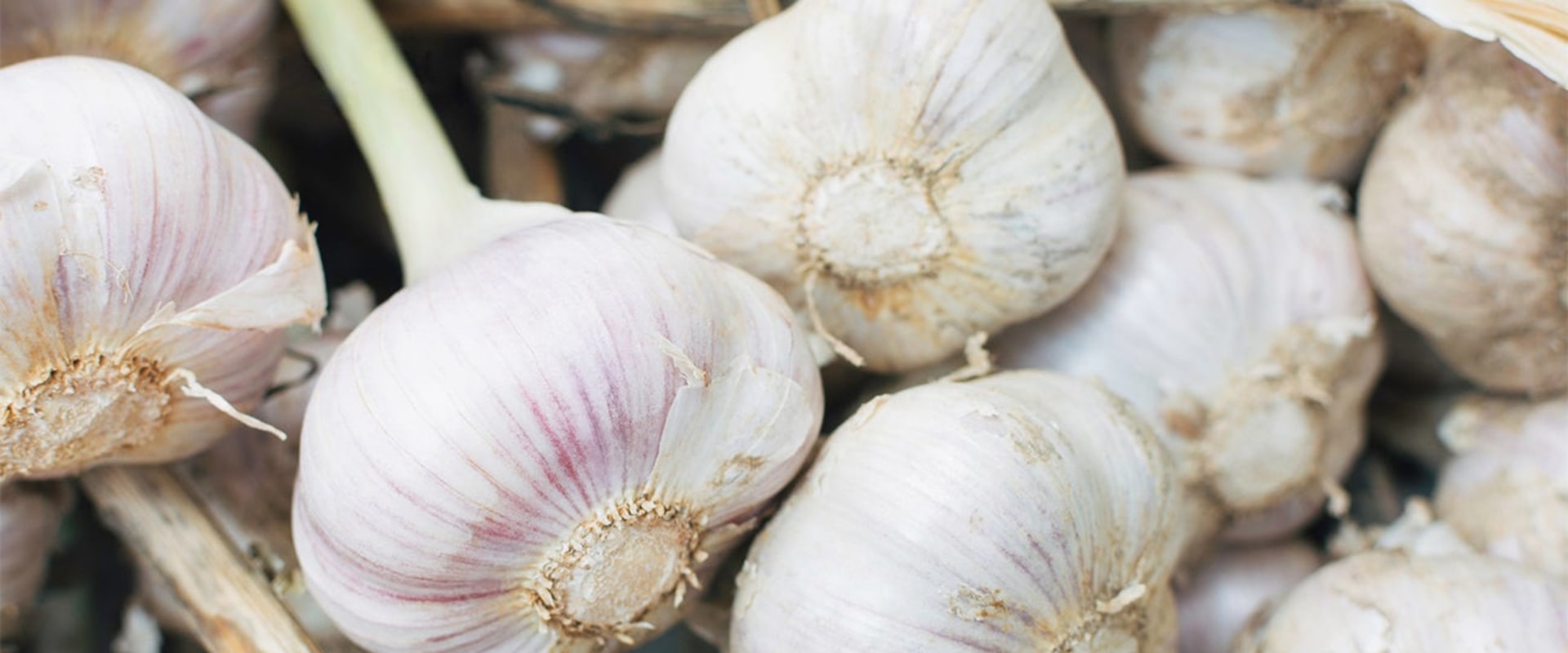
Garlic, scientifically known as Allium sativum, has been revered for centuries not only as a culinary staple but also as a potent natural remedy. Its popularity spans cultures and generations, with historical records indicating its use in ancient civilizations for both flavoring food and promoting health. Today, garlic is celebrated for its numerous health benefits, leading many to explore garlic supplement benefits as a convenient way to incorporate this powerful bulb into their diets. The allure of garlic lies in its rich composition of sulfur compounds, vitamins, and minerals, which contribute to its therapeutic properties. Among these compounds, allicin is particularly noteworthy; it is responsible for garlic's distinctive aroma and many of its health-promoting effects.
Research has shown that regular consumption of garlic can support cardiovascular health, enhance immune function, and even exhibit anti-inflammatory properties. As a result, garlic supplements have gained traction among health enthusiasts seeking to harness these benefits without the strong taste or odor associated with raw garlic. However, while the potential health benefits of garlic are compelling, it is essential to approach its consumption with a balanced perspective. Like any supplement or natural remedy, garlic is not without its risks. Some individuals may experience adverse reactions such as gastrointestinal discomfort or allergic responses.
Furthermore, the potency of garlic supplements can vary significantly between products, making it crucial for consumers to choose high-quality options and consult healthcare professionals when necessary. In this article, we will delve deeper into the multifaceted world of garlic—examining both its remarkable benefits and potential risks. By understanding the full spectrum of what garlic has to offer, readers can make informed decisions about incorporating this age-old remedy into their health regimen.
Nutritional Profile of Garlic
Garlic, scientifically known as Allium sativum, is not only a popular culinary ingredient but also a powerhouse of nutrients that contribute to its numerous health benefits. Understanding the nutritional profile of garlic is crucial for anyone looking to harness its potential advantages. One of the standout features of garlic is its rich composition of vitamins and minerals. A typical serving of raw garlic (approximately one clove or 3 grams) contains:- Calories: 4-5
- Carbohydrates: 1 gram
- Protein: 0.2 grams
- Fat: 0 grams
- Fiber: 0.1 grams
- Manganese: 0.1 mg (about 7% of the Daily Value)
- Vitamin B6: 0.04 mg (about 3% of the Daily Value)
- Vitamin C: 1 mg (about 1% of the Daily Value)
- Selenium: 1.5 mcg (about 2% of the Daily Value)
- Calcium: 5 mg
- Iron: 0.1 mg
In addition to these vitamins and minerals, garlic is also known for its unique active compounds, particularly allicin. Allicin is formed when garlic is crushed or chopped, and it is responsible for many of garlic's health-promoting properties, including its antimicrobial and anti-inflammatory effects. The sulfur compounds in garlic, such as diallyl disulfide and diallyl trisulfide, also play a significant role in its health benefits. These compounds are believed to support cardiovascular health by helping to lower blood pressure and cholesterol levels. Moreover, garlic contains antioxidants that help combat oxidative stress in the body. This antioxidant activity can contribute to reducing the risk of chronic diseases, including heart disease and certain types of cancer. In summary, the nutritional value of garlic extends far beyond its basic composition.
With a blend of essential vitamins, minerals, and potent active compounds, garlic stands out as a valuable addition to any diet aimed at improving overall health and well-being.
Health Benefits of Garlic Supplements
Garlic supplements have gained popularity in recent years due to their numerous health benefits. These supplements are often used as a natural remedy to support various aspects of health, particularly in the realms of cardiovascular wellness and immune function.Cardiovascular Health
One of the most well-documented benefits of garlic supplements is their positive impact on heart health. Research indicates that garlic can help lower blood pressure, reduce cholesterol levels, and improve overall cardiovascular function. The active compounds in garlic, such as allicin, are believed to promote vasodilation, which helps blood vessels relax and improves blood flow.- Blood Pressure Regulation: Several studies have shown that garlic supplements can lead to a significant reduction in both systolic and diastolic blood pressure.
This effect is particularly beneficial for individuals with hypertension.
- Cholesterol Management: Garlic has been found to lower total cholesterol and LDL (bad cholesterol) levels while potentially raising HDL (good cholesterol). This balance is crucial for maintaining heart health and reducing the risk of heart disease.
- Antioxidant Properties: Garlic is rich in antioxidants, which help combat oxidative stress in the body. This can further protect the cardiovascular system from damage caused by free radicals.
Immune Support
Another significant advantage of garlic supplements is their ability to enhance immune support. Garlic has been traditionally used to ward off colds and infections, and modern research supports these claims.The sulfur compounds in garlic are known to boost the immune system by stimulating the activity of white blood cells, which play a crucial role in fighting off pathogens.
- Antimicrobial Effects: Garlic exhibits antimicrobial properties that can help combat bacteria, viruses, and fungi. This makes it a valuable ally during cold and flu season.
- Anti-Inflammatory Benefits: Chronic inflammation can weaken the immune system. Garlic's anti-inflammatory properties may help reduce inflammation throughout the body, promoting better immune function.
Cancer Prevention Potential
Emerging research suggests that garlic may also play a role in cancer prevention. Some studies indicate that regular consumption of garlic supplements may be associated with a reduced risk of certain types of cancer, including stomach and colorectal cancers.The compounds found in garlic are thought to inhibit cancer cell growth and promote apoptosis (programmed cell death) in malignant cells. In conclusion, incorporating garlic supplements into your daily routine can offer a range of health benefits, particularly for cardiovascular health and immune support. As with any supplement, it is essential to consult with a healthcare professional before starting any new regimen to ensure it aligns with your individual health needs.
Scientific Evidence Supporting Garlic's Benefits
Numerous scientific studies have been conducted to explore the health benefits of garlic, providing a robust foundation for its use as a dietary supplement. These studies have focused on various aspects of garlic's efficacy, including its cardiovascular benefits, antimicrobial properties, and potential cancer-fighting abilities.Cardiovascular Health
One of the most well-documented benefits of garlic is its positive impact on cardiovascular health. A meta-analysis published in the Journal of Nutrition reviewed 39 clinical trials involving over 1,500 participants.
The findings indicated that garlic supplementation significantly reduced both systolic and diastolic blood pressure in individuals with hypertension. Specifically, participants experienced an average reduction of 8-12 mmHg in systolic blood pressure and 5-9 mmHg in diastolic pressure.
Additionally, a study in the American Journal of Clinical Nutrition found that garlic can improve lipid profiles by lowering total cholesterol and triglyceride levels while increasing high-density lipoprotein (HDL) cholesterol. This dual action helps reduce the risk of atherosclerosis and other cardiovascular diseases.
Antimicrobial Properties
Garlic's antimicrobial properties have also been extensively studied. Research published in the Journal of Antimicrobial Chemotherapy demonstrated that garlic extract exhibits significant antibacterial activity against various pathogens, including Escherichia coli and Staphylococcus aureus.
The active compound allicin is primarily responsible for these effects, making garlic a potential natural remedy for infections.
Cancer Prevention
The potential role of garlic in cancer prevention has garnered considerable attention. A large cohort study published in the International Journal of Cancer found that individuals who consumed high amounts of garlic had a lower risk of developing stomach and colorectal cancers. The study suggested that the sulfur compounds in garlic may inhibit tumor growth and promote apoptosis (programmed cell death) in cancer cells.
Conclusion
The scientific evidence supporting the health benefits of garlic is compelling. From improving cardiovascular health to exhibiting antimicrobial properties and potentially reducing cancer risk, garlic stands out as a powerful natural supplement.
As research continues to evolve, it is essential for consumers to consider these findings when evaluating the inclusion of garlic supplements in their diets.
Potential Risks and Side Effects of Garlic Consumption
While garlic is widely celebrated for its numerous health benefits, it is essential to consider the potential risks and side effects associated with its consumption, particularly when taken in supplement form. Understanding these aspects can help individuals make informed choices about incorporating garlic into their diets.Common Side Effects
One of the most frequently reported side effects of consuming garlic, especially in large quantities or as a supplement, is gastrointestinal discomfort. This can manifest as:- Heartburn
- Gas and bloating
- Nausea
- Diarrhea
Garlic Allergies
Although rare, some individuals may experience an allergic reaction to garlic.Symptoms of a garlic allergy can include:
- Skin rashes or hives
- Itching or swelling of the mouth and throat
- Difficulty breathing
- Anaphylaxis in severe cases
Interactions with Medications
Garlic supplements can interact with certain medications, particularly anticoagulants (blood thinners) like warfarin. Garlic has natural blood-thinning properties, which can enhance the effects of these medications and increase the risk of bleeding. It is advisable to consult a healthcare professional before starting garlic supplements if you are on any medication.Other Considerations
For individuals planning to undergo surgery, it is recommended to discontinue high doses of garlic at least seven days prior to the procedure due to its potential to prolong bleeding time. Additionally, excessive consumption of garlic may lead to bad breath and body odor, which can be socially uncomfortable. In conclusion, while garlic offers many health benefits, it is vital to be aware of its potential side effects and risks.Moderation is key, and consulting with a healthcare provider can help ensure safe consumption tailored to individual health needs.
Recommended Dosages and Forms of Garlic Supplements
When considering the incorporation of garlic supplements into your health regimen, understanding the recommended dosages and the various forms available is crucial for maximizing benefits while minimizing risks. Garlic supplements come in several forms, each with its own recommended dosage guidelines.Forms of Garlic Supplements
- Garlic Capsules: These are one of the most popular forms, providing a concentrated dose of garlic extract. Typically, a standard dose ranges from 300 mg to 1,200 mg per day, depending on the specific product and its concentration.
- Aged Garlic Extract: This form is known for its potential health benefits and is often recommended for cardiovascular health. The usual dosage is around 600 mg to 1,200 mg daily.
- Garlic Oil: Garlic oil can be taken in liquid form or as soft gels.
The recommended dosage usually falls between 1 to 5 ml per day, but it’s essential to check the concentration of allicin, the active compound.
- Raw Garlic: For those who prefer natural sources, consuming 1 to 2 cloves of raw garlic daily is generally considered safe and effective.
How to Take Garlic Supplements
When taking garlic supplements, it’s important to follow these guidelines for optimal results:- Consult a Healthcare Professional: Before starting any supplement regimen, especially if you have underlying health conditions or are taking medications, consult with a healthcare provider.
- Follow Dosage Instructions: Always adhere to the dosage recommendations provided on the supplement label or as advised by your healthcare professional. Avoid exceeding the recommended amounts.
- Take with Food: To minimize gastrointestinal discomfort, consider taking garlic supplements with meals. This can help improve absorption and reduce potential side effects.
- Monitor Your Body’s Response: Pay attention to how your body reacts after starting garlic supplements. If you experience any adverse effects such as digestive issues or allergic reactions, discontinue use and consult a healthcare professional.
By following proper guidelines and consulting with professionals, you can enjoy the potential health benefits of garlic safely and effectively.
Who Should Avoid Garlic Supplements?
While garlic supplements can offer numerous health benefits, certain individuals should exercise caution or avoid them altogether. Understanding the contraindications and potential interactions is crucial for ensuring safety and maximizing the effectiveness of any supplement regimen.1.Individuals with Allergies:
People who have a known allergy to garlic or other members of the Allium family, such as onions and leeks, should avoid garlic supplements. Allergic reactions can manifest as skin rashes, gastrointestinal distress, or even more severe symptoms like anaphylaxis in extreme cases.
2.Those with Bleeding Disorders:
Garlic has natural anticoagulant properties, which means it can thin the blood. Individuals with bleeding disorders, such as hemophilia or those taking anticoagulant medications (like warfarin), should consult a healthcare professional before using garlic supplements.
The risk of excessive bleeding during surgical procedures or due to minor injuries may increase.
3.Pregnant and Nursing Women:
While moderate amounts of garlic in food are generally considered safe during pregnancy and breastfeeding, high doses from supplements may not be advisable. Garlic can stimulate uterine contractions and may affect breast milk production. Pregnant or nursing women should consult their healthcare provider before starting any new supplement.
4.Individuals Scheduled for Surgery:
Due to its blood-thinning effects, it is recommended that individuals stop taking garlic supplements at least seven to ten days prior to any surgical procedure. This precaution helps minimize the risk of excessive bleeding during and after surgery.
5.People with Gastrointestinal Issues:
Those who suffer from gastrointestinal disorders, such as irritable bowel syndrome (IBS) or acid reflux, may find that garlic exacerbates their symptoms.
Garlic can cause bloating, gas, and discomfort in sensitive individuals, particularly when consumed in supplement form.
6.Drug Interactions:
Garlic supplements can interact with various medications, including certain antiretroviral drugs used in HIV treatment and some medications for diabetes. These interactions can alter the effectiveness of the drugs or lead to unexpected side effects. Always inform your healthcare provider about any supplements you are taking to avoid potential interactions.
In summary, while garlic supplements can be beneficial for many, specific groups should approach them with caution or avoid them entirely. Consulting a healthcare professional is essential for anyone considering garlic supplementation, especially if they fall into one of these categories.
FAQs About Garlic Supplements
Garlic supplements have gained popularity for their potential health benefits, but many people still have questions about their efficacy and safety.Here are some frequently asked questions that can help clarify common misconceptions and provide valuable insights.
1.What are the main benefits of garlic supplements?
Garlic supplements are often taken for their numerous health benefits, which may include:- Cardiovascular health: Garlic is known to help lower blood pressure and cholesterol levels, potentially reducing the risk of heart disease.
- Antioxidant properties: Garlic contains antioxidants that can help combat oxidative stress in the body.
- Immune support: Some studies suggest that garlic may enhance immune function, helping the body fight off infections.
- Anti-inflammatory effects: Garlic has been shown to reduce inflammation, which is linked to various chronic diseases.
2.Are there any side effects associated with garlic supplements?
While garlic supplements are generally considered safe for most people, they can cause side effects in some cases. Common side effects include:- Digestive issues such as bloating, gas, or upset stomach.
- Bad breath and body odor due to sulfur compounds.
- Allergic reactions in rare cases, leading to skin irritation or gastrointestinal discomfort.
3.Can garlic supplements interact with medications?
Yes, garlic supplements can interact with certain medications. They may enhance the effects of anticoagulants (blood thinners), increasing the risk of bleeding. Additionally, garlic can affect the metabolism of some drugs, including those used for HIV treatment.Always consult your doctor before starting any new supplement regimen, especially if you are on medication.
4.Are all garlic supplements created equal?
No, not all garlic supplements are the same. They come in various forms such as powder, oil, and aged extracts, each with different concentrations of active compounds like allicin. It’s essential to choose a high-quality supplement from a reputable brand to ensure you receive the intended benefits.5.What is a safe dosage for garlic supplements?
The recommended dosage varies depending on the form of garlic used. Generally, 300-1,200 mg of aged garlic extract or 600-1,200 mg of garlic powder is considered safe for daily consumption.However, it’s best to follow the instructions on the product label or consult a healthcare provider for personalized advice. By addressing these common questions about garlic supplements, individuals can make informed decisions regarding their use and better understand their potential health impacts.
Conclusion: Weighing the Benefits Against the Risks
In summary, the consumption of garlic, whether in its raw form or as a supplement, presents a complex interplay of benefits and risks. As we have explored throughout this article, garlic is not just a culinary delight; it is also a powerhouse of health benefits that have been recognized for centuries. From its potential to enhance cardiovascular health by lowering blood pressure to its role in boosting the immune system and possibly reducing the risk of certain cancers, garlic has much to offer. However, it is crucial to approach garlic consumption with caution. While moderate intake—typically one to two cloves of raw garlic per day or equivalent amounts in supplement form—is generally considered safe for most adults, excessive consumption can lead to unpleasant side effects.These may include gastrointestinal discomfort, body odor, and in some cases, allergic reactions. Furthermore, individuals preparing for surgery should be particularly mindful of garlic's blood-thinning properties. To effectively weigh the benefits against the risks , consider the following:
- Moderation is Key: Stick to recommended dosages to enjoy the health benefits without experiencing adverse effects.
- Consult Healthcare Professionals: Always seek advice from a healthcare provider before starting any new supplement regimen, especially if you have underlying health conditions or are on medication.
- Be Aware of Your Body: Pay attention to how your body reacts to garlic. If you experience any negative symptoms, it may be wise to adjust your intake.
- Diverse Sources: Incorporate garlic into your diet through various forms—raw, cooked, or as supplements—to find what works best for you.
Embrace the power of garlic but remember that balance and moderation are vital components of any dietary approach.