The practical guide to garlic supplements
The Surprising Benefits and Risks of Taking Garlic Pills Every Day
Discover the surprising benefits and risks of taking garlic pills daily. Learn how garlic supplements can enhance health and what to watch out for.

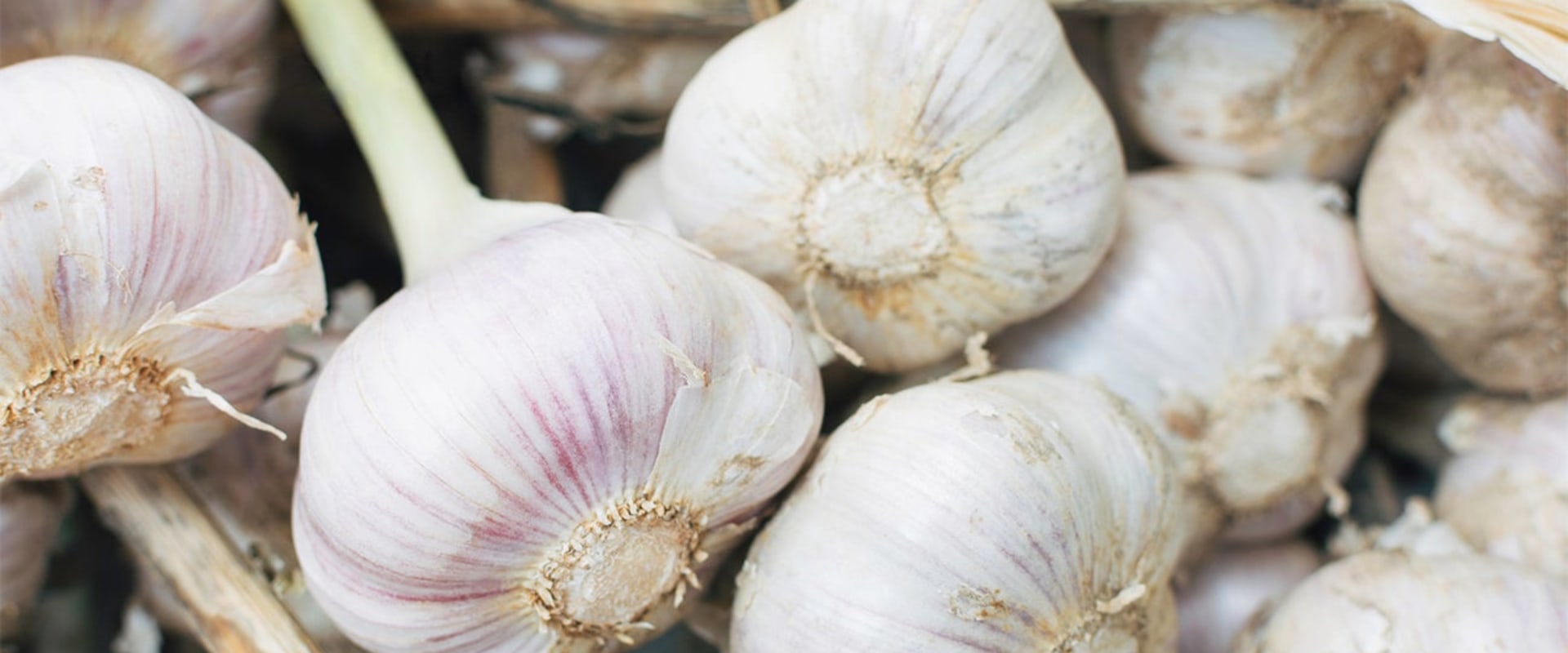
Garlic supplements, often available in the form of pills, capsules, or extracts, have gained popularity as a natural remedy for various health concerns. These supplements are derived from the garlic bulb, scientifically known as Allium sativum, which has been utilized for its medicinal properties for thousands of years. Ancient civilizations, including the Egyptians and Greeks, recognized garlic not only as a culinary ingredient but also as a powerful therapeutic agent. Today, garlic supplements are widely used to harness the potential health benefits associated with this remarkable plant. The primary active compound in garlic is allicin , which is responsible for many of its health-promoting effects.
When garlic is crushed or chopped, allicin is released and exhibits various biological activities, including antioxidant, anti-inflammatory, and antimicrobial properties. These characteristics have led to a growing interest in garlic supplements as a means to support cardiovascular health, boost the immune system, and even reduce the risk of certain chronic diseases. In addition to allicin, garlic contains a variety of other beneficial compounds such as sulfur compounds, vitamins, and minerals that contribute to its overall health benefits. Many people turn to garlic pills for convenience, as they provide a concentrated dose of these beneficial compounds without the strong odor or taste associated with raw garlic. However, it is essential to understand both the potential benefits and risks associated with daily consumption of garlic supplements to make informed decisions about their use. When garlic is crushed or chopped, allicin is released and exhibits various biological activities, including antioxidant, anti-inflammatory, and antimicrobial properties. These characteristics have led to a growing interest in garlic supplements as a means to support cardiovascular health, boost the immune system, and even reduce the risk of certain chronic diseases. In addition to allicin, garlic contains a variety of other beneficial compounds such as sulfur compounds, vitamins, and minerals that contribute to its overall health benefits. Many people turn to garlic pills for convenience, as they provide a concentrated dose of these beneficial compounds without the strong odor or taste associated with raw garlic. However, it is essential to understand both the potential benefits and risks associated with daily consumption of garlic supplements to make informed decisions about their use.
Health Benefits of Garlic Supplements
Garlic supplements have gained popularity due to their numerous health benefits , which are attributed to the bioactive compounds found in garlic, particularly allicin.These compounds are known for their potential to enhance overall health and well-being. One of the most significant advantages of garlic supplements is their positive impact on cardiovascular health. Research indicates that garlic can help lower blood pressure, which is crucial for reducing the risk of heart disease. A meta-analysis of several studies found that garlic supplementation can lead to a modest but significant reduction in both systolic and diastolic blood pressure, making it a valuable addition for those managing hypertension. In addition to blood pressure regulation, garlic is also recognized for its ability to lower cholesterol levels. High levels of LDL cholesterol (often referred to as "bad" cholesterol) are a major risk factor for heart disease.
Studies have shown that garlic supplements can reduce total cholesterol levels by approximately 10-15%, thereby promoting better heart health. This cholesterol-lowering effect is believed to be due to garlic's ability to inhibit cholesterol synthesis in the liver. Moreover, garlic's antioxidant properties contribute to its heart-protective effects. By combating oxidative stress and inflammation, garlic helps maintain healthy blood vessels and improves circulation. This is particularly important as poor circulation can lead to various cardiovascular issues. Beyond heart health, garlic supplements may also possess potential anti-cancer properties.
Some studies suggest that the sulfur compounds in garlic can inhibit the growth of cancer cells and may even induce apoptosis (programmed cell death) in certain types of cancer. While more research is needed to fully understand these effects, preliminary findings are promising and suggest that incorporating garlic into one’s diet could be beneficial in reducing cancer risk. In summary, the health benefits of garlic supplements are multifaceted, encompassing improvements in cardiovascular health through blood pressure and cholesterol reduction, as well as potential protective effects against cancer. As with any supplement, it is advisable to consult with a healthcare provider before starting a new regimen, especially for individuals with existing health conditions or those taking medications.
How Garlic Supplements Work in the Body
Garlic supplements are renowned for their potential health benefits, largely attributed to their active compounds, particularly allicin. When garlic is crushed or chopped, it triggers a chemical reaction that converts alliin, a sulfur-containing compound, into allicin.This process is crucial because allicin is responsible for many of garlic's therapeutic effects. Once ingested, allicin and other sulfur compounds in garlic are absorbed into the bloodstream, where they exert various biological effects. These compounds have been shown to:
- Lower cholesterol levels: Allicin can inhibit the synthesis of cholesterol in the liver, which may help reduce overall cholesterol levels and improve heart health.
- Enhance cardiovascular health: Garlic supplements may help lower blood pressure by promoting vasodilation, which is the widening of blood vessels. This effect can improve blood flow and reduce the risk of hypertension.
- Exhibit anti-inflammatory properties: The compounds in garlic can modulate inflammatory responses in the body, potentially reducing the risk of chronic diseases associated with inflammation.
- Boost immune function: Garlic has been shown to enhance the immune system's response, helping the body fend off infections and illnesses more effectively.
- Ajoene: Known for its potential anti-cancer properties, ajoene may induce apoptosis (programmed cell death) in certain cancer cells.
- Diallyl sulfide: This compound has been studied for its ability to protect against oxidative stress and may play a role in reducing cancer risk.
- S-allyl cysteine: A water-soluble compound that has been linked to improved cardiovascular health and may help protect against liver toxicity.
However, it is essential to note that the efficacy of these supplements can vary based on their formulation and dosage. Therefore, understanding how these compounds work in the body can help individuals appreciate the potential benefits of incorporating garlic supplements into their daily routine.
Potential Risks and Side Effects of Daily Garlic Intake
While garlic supplements are often praised for their numerous health benefits, it is essential to consider the potential risks and side effects associated with daily intake. Understanding these risks can help individuals make informed decisions about incorporating garlic into their health regimen. One of the most commonly reported side effects of garlic supplements is gastrointestinal discomfort. This can manifest as:- Heartburn: Some individuals may experience a burning sensation in the chest or throat after consuming garlic, particularly in supplement form.
- Nausea: Garlic can sometimes lead to feelings of nausea, especially when taken on an empty stomach.
- Flatulence: Increased gas production is another potential side effect, which can be uncomfortable and socially awkward.
- Diarrhea: In some cases, excessive garlic intake may lead to loose stools or diarrhea.
To mitigate these effects, it is advisable to take garlic supplements with food or to start with a lower dosage and gradually increase it. Another significant concern is the interaction of garlic with certain medications. Garlic has natural anticoagulant properties, which means it can thin the blood. This poses a risk for individuals taking blood thinners such as warfarin or aspirin. The combination may enhance the effects of these medications, increasing the risk of bleeding.
Therefore, it is crucial for anyone on anticoagulant therapy to consult their healthcare provider before starting garlic supplements. Additionally, those preparing for surgery should be cautious. It is recommended to discontinue high doses of garlic at least 7 to 10 days prior to any surgical procedure due to its potential to prolong bleeding time. Overconsumption of garlic supplements can also lead to more severe symptoms, known as garlic overdose. Symptoms of overdose may include:
- Severe gastrointestinal distress: This includes intense stomach pain and persistent vomiting.
- Allergic reactions: Some individuals may develop skin rashes or other allergic responses.
- Headaches: Excessive intake may lead to headaches in some users.
Who Should Consider Taking Garlic Supplements?
Garlic supplements have gained popularity for their potential health benefits, particularly among specific groups of individuals.Understanding who might benefit from these supplements can help guide decisions about their use.
1.Individuals with High Cholesterol
One of the primary reasons people consider garlic supplements is to manage cholesterol levels. Research indicates that garlic can help lower total cholesterol and LDL (low-density lipoprotein) cholesterol, often referred to as "bad" cholesterol. For those struggling with high cholesterol, incorporating garlic supplements into their daily routine may provide a natural alternative to traditional medications.
2.People with Cardiovascular Concerns
Garlic is known for its cardiovascular benefits, including its ability to improve blood circulation and reduce blood pressure. Individuals with hypertension or other heart-related issues may find that garlic supplements contribute positively to their overall heart health.
The anti-inflammatory properties of garlic can also help reduce the risk of heart disease by preventing arterial plaque buildup.
3.Those Seeking Immune Support
Garlic has been recognized for its immune-boosting properties, making it a suitable supplement for individuals looking to enhance their immune system, especially during cold and flu season. Regular intake of garlic may help the body fend off infections and illnesses.
4.Diabetics and Those at Risk of Diabetes
Some studies suggest that garlic may help regulate blood sugar levels, making it beneficial for individuals with diabetes or those at risk of developing the condition. By improving insulin sensitivity and reducing blood sugar spikes, garlic supplements can be a valuable addition to a diabetic management plan.
5.Individuals Interested in Weight Management
For those looking to manage their weight, garlic supplements may offer additional support. Garlic has been shown to have appetite-suppressing effects, which can aid in weight loss efforts when combined with a balanced diet and regular exercise.
6.Older Adults
Aging often brings about various health challenges, including increased risk of chronic diseases.
Older adults may benefit from garlic supplements due to their potential anti-inflammatory and antioxidant properties, which can help combat oxidative stress and support overall health.
Recommendations for Use
- Consult with a healthcare provider before starting any new supplement regimen, especially if you have existing health conditions or are taking medications.
- Consider starting with a lower dose to assess tolerance before gradually increasing to the recommended dosage.
- Look for high-quality garlic supplements that contain standardized amounts of allicin or other active compounds for maximum effectiveness.
How to Choose the Right Garlic Supplement
When it comes to selecting the right garlic supplement, understanding the various forms available and their respective benefits is crucial. Garlic supplements come in several formats, including capsules, tablets, powders, and liquid extracts. Each form has its own advantages and potential drawbacks.-
Capsules and Tablets: These are the most common forms of garlic supplements.
They are convenient to take and often contain a standardized amount of garlic extract, ensuring consistent dosing. Look for products that specify the amount of allicin, the active compound in garlic known for its health benefits.
- Powders: Garlic powder can be a good option for those who prefer a more natural form. However, the potency can vary significantly between brands, so it’s essential to check for quality assurance and standardization.
- Liquid Extracts: These are often more concentrated than capsules or powders and may offer quicker absorption. However, they can have a strong taste and may not be suitable for everyone.
-
Quality and Purity: Always opt for supplements that are third-party tested for quality.
This ensures that what’s on the label matches what’s in the bottle. Look for certifications from organizations like USP (United States Pharmacopeia) or NSF International.
- Dosage Recommendations: The effective dosage of garlic supplements can vary based on individual health needs. Generally, a daily intake of 600 to 1,200 mg of garlic extract is recommended for health benefits. However, consult with a healthcare provider to determine the best dosage for your specific situation.
-
Additional Ingredients: Some garlic supplements may include other beneficial ingredients such as ginger or turmeric.
While these can enhance health benefits, ensure that they do not interfere with any medications you may be taking.
Frequently Asked Questions About Garlic Supplements
Garlic supplements have gained popularity for their potential health benefits, but many people still have questions about their safety and efficacy. Below are some of the most frequently asked questions regarding garlic pills.1.What are the main benefits of taking garlic supplements?
Garlic supplements are often praised for a variety of health benefits, including:- Heart Health: Garlic is known to help lower cholesterol levels and may reduce blood pressure, contributing to overall cardiovascular health.
- Immune Support: The compounds in garlic, particularly allicin, are believed to enhance immune function, helping the body fend off infections.
- Antioxidant Properties: Garlic contains antioxidants that can help combat oxidative stress and may reduce the risk of chronic diseases.
- Anti-Inflammatory Effects: Regular consumption of garlic may help reduce inflammation in the body, which is linked to various health issues.
2.Is it safe to take garlic supplements daily?
For most individuals, taking garlic supplements daily is considered safe when consumed within the recommended dosage. However, it is essential to consult with a healthcare provider, especially for those with underlying health conditions or those taking medications such as blood thinners.Some potential side effects include:
- Bad breath and body odor
- Gastrointestinal discomfort
- Allergic reactions in rare cases
3.How much garlic should I take daily?
The appropriate dosage can vary based on the form of garlic supplement you choose. Generally, a common recommendation is:- Aged garlic extract: 600-1200 mg per day
- Garlic oil: 300-1000 mg per day
- Dried garlic powder: 600-1200 mg per day
4.Can garlic supplements interact with medications?
Yes, garlic can interact with certain medications, particularly anticoagulants and antiplatelet drugs. It may enhance their effects, increasing the risk of bleeding. Therefore, it is crucial to inform your healthcare provider about any supplements you are taking.5.Are there any specific groups who should avoid garlic supplements?
Certain individuals should exercise caution or avoid garlic supplements altogether:- People scheduled for surgery should stop taking high doses of garlic at least a week prior due to its blood-thinning properties.
- Individuals with allergies to garlic or related plants should avoid these supplements.
- Pregnant or breastfeeding women should consult their healthcare provider before use.
Conclusion: Weighing the Benefits Against the Risks
In summary, the decision to incorporate garlic supplements into your daily routine should be made with careful consideration of both the potential benefits and risks.Garlic has long been celebrated for its numerous health advantages, including its ability to support cardiovascular health, enhance immune function, and even exhibit some anticancer properties. The active compounds in garlic, particularly allicin, are credited with these effects, making garlic a popular choice among those seeking natural health solutions. However, it is essential to recognize that while the benefits are compelling, there are also risks associated with daily garlic supplement consumption. Common side effects such as bad breath and gastrointestinal discomfort can occur, particularly when taken in excessive amounts. Moreover, individuals on anticoagulant medications or those preparing for surgery should exercise caution due to garlic's blood-thinning properties. To make an informed decision, consider the following:
- Consultation with Healthcare Providers: Always discuss with a healthcare professional before starting any new supplement regimen, especially if you have pre-existing health conditions or are taking other medications.
-
Dosage Awareness: Adhere to recommended dosages to minimize the risk of adverse effects.
Excessive intake can lead to complications that outweigh the benefits.
- Form of Garlic: Different forms of garlic (raw, cooked, or supplements) may offer varying levels of health benefits. Understanding these differences can help you choose the most effective option for your needs.
- Monitoring Your Body's Response: Pay attention to how your body reacts after starting garlic supplements. If you experience any negative side effects, it may be wise to reassess your intake.